
The Windows-Open Months: November Through March in a Florida Home

When was the last time your house breathed?
Somewhere in the first week of November, you walk through the house and turn the thermostat off. Not down. Off. Then you go room to room sliding windows open, and the sound of the neighborhood comes in: a leaf blower a few streets over, a golf cart, someone's screen door. The air moving through the hallway smells like cut grass and salt. In Ohio this would be a two-week window in late September. Here it is the start of a season that lasts into March.
From roughly November through March, Northeast Florida homes in Nocatee, Ponte Vedra Beach, St. Augustine and the Jacksonville beaches run with the air conditioning off and the windows and sliders open. Low humidity, mild afternoons and cool nights make this the most comfortable and least expensive stretch of the year to own a home here, and it changes how you use the lanai, the kitchen and the whole floor plan.
The season nobody up north believes exists
Tell a friend in Minnesota that you spend five months a year with the windows open and they picture Hawaii. Tell them your power bill drops noticeably at the same time and they stop believing you. But this is the ordinary rhythm of a Northeast Florida house.
The humidity that defines summer here breaks sometime in October, and once it does, the air turns dry and clear. Highs settle into the 60s and 70s. Nights cool off enough that you sleep with a blanket and the window cracked. The house stops fighting the weather and starts cooperating with it.
What opens up when the sliders do
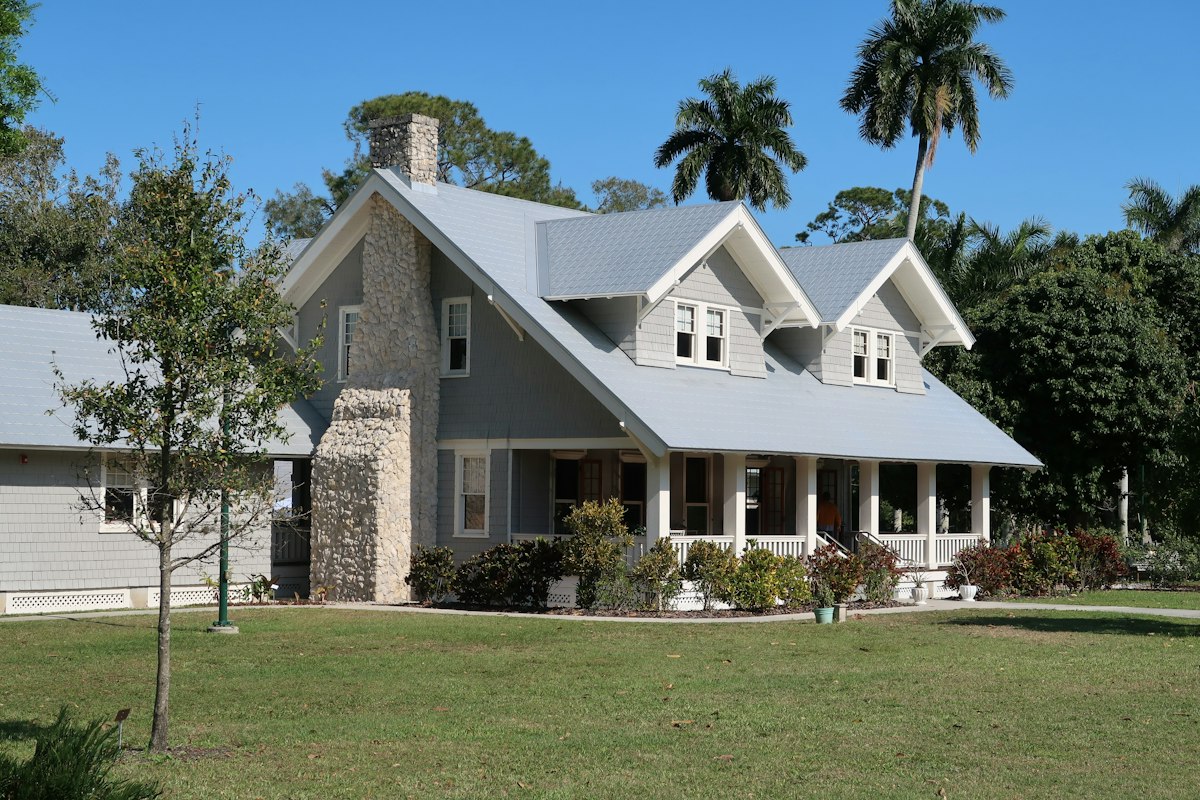
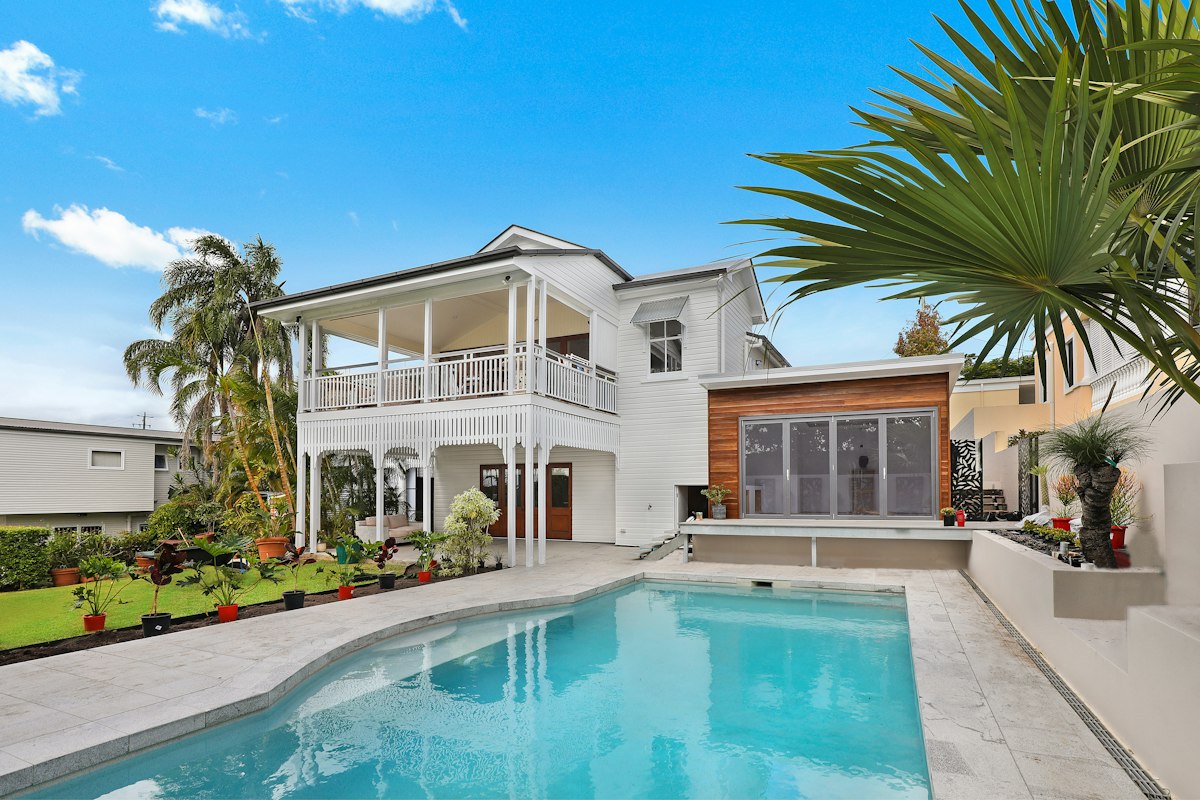
Florida homes are built around a lanai for a reason, and this is the season it pays off. In Nocatee, RiverTown and Shearwater, you will see the pattern on any weekday evening: the big sliders pushed all the way back, the dining table half inside and half out, the grill going, and the dog wandering between the two spaces like they are one room. Because for five months, they are.
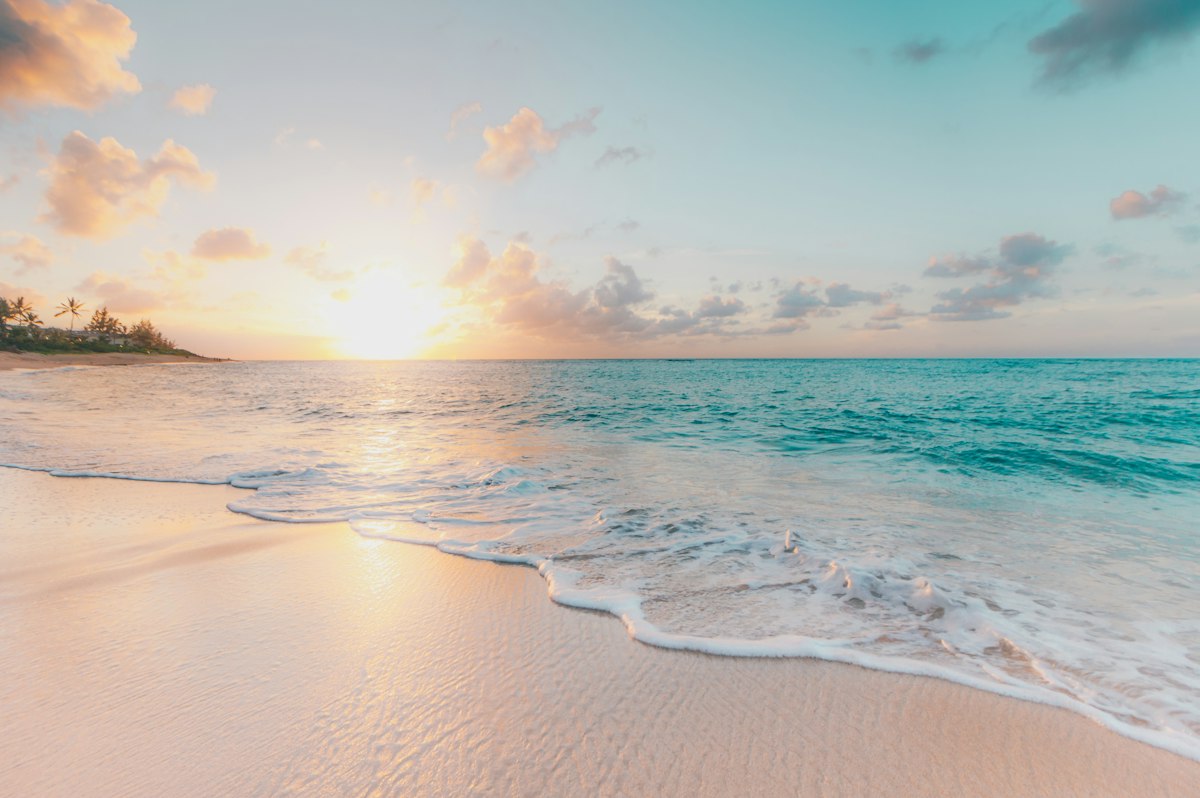
Coastal homes in Ponte Vedra Beach and Atlantic Beach get a second benefit. The sea breeze does the ventilating. Open a window on the ocean side and one on the street side and the house moves air on its own, the way old Florida homes were designed to before anyone had central air.
The sounds and smells of the open-window months
You hear more of where you live. Mornings in St. Johns County come with cardinals and wrens. Evenings along the marsh and tidal creeks bring the clicking of fiddler crabs and the slap of a mullet jumping. If you live near the beach, the surf is a low constant in the background once the AC is off and the house is quiet.
You smell more too. Someone's jasmine or confederate jasmine still blooming late. Smoke from a neighbor's fire pit. The particular salt-and-pine smell of a cool morning in the oaks near Guana. None of this is available with the house sealed up in July, which is why longtime residents talk about November the way northerners talk about the first warm day of spring.
Want a home built for this kind of living?
Lanai orientation, cross-breezes, screened porches and preserve lots make a bigger difference than square footage. Joey can point out which homes and neighborhoods in Northeast Florida actually live the way the photos suggest.
Call or text Joey Larsen: 904-863-6679
or visit RetireMeToFlorida.com
How it changes the way you cook and eat
The kitchen island becomes a staging area and the real dinner happens outside. Grills, griddles and smokers that sat quiet through the hottest weeks get used three or four nights a week. Breakfast moves to the lanai. Coffee moves to the front porch in neighborhoods where porches are part of the design, like the older streets of Fernandina Beach or the newer front-porch homes in Nocatee's traditional sections.
Florida's winter produce helps. Strawberries, citrus and cool-weather greens come into the farmers markets in St. Augustine and the beaches through the winter, and an open kitchen on a 68-degree evening is a good place to use them.
What it does to your budget
Without quoting anyone's utility bill, the pattern is consistent: the months with the AC off are the cheapest months to run a Florida house. Summer cooling is the biggest line item for most households here, and when it drops out for a stretch, you notice. Many retirees who moved from the Northeast describe the fall and winter power bills as the first time the move felt like it was paying them back.
Pair that with no heating oil, no snow removal and no winter roof worries, and the open-window months quietly become the financial sweet spot of the year.
Things worth knowing before your first winter here
Pollen comes early. Oak and pine pollen arrive in late winter, sometimes while the windows are still open. If allergies are an issue, you will learn to time it.
Cold fronts are real. A few nights each winter dip into the 30s, especially inland in St. Johns and Nassau counties. The house closes up for a day or two, the heat runs briefly, and then the windows go back open. It is a reminder that this is North Florida, not the Keys, and most people here like that about it.
Screens matter more than you think. A good screened lanai and intact window screens turn the open-window season from a nice idea into an everyday habit, especially at dusk when the no-see-ums near the marsh wake up.
Why this matters when you choose a home
If you are shopping from out of state, you will tour homes with the AC humming and every window shut. Ask about the lanai's exposure. Ask whether the sliders stack fully open. Look at what is behind the house, because a preserve or a lake view is not just scenery, it is what you will be looking at with the doors open for five months a year. Homes that are designed for the open-window months are the ones people stay in.
Frequently Asked Questions
How many months a year can you leave the windows open in Northeast Florida?
Most residents in St. Johns, Duval and Nassau counties run the AC rarely or not at all from about November into March, with stretches of October and April that also work depending on the year. Humidity, not temperature, is usually what sends the windows closed again in late spring.
Does it get too cold for open windows?
For a few nights each winter, yes. Cold fronts can push overnight lows into the 30s, more often inland than at the coast. Most people close up for a day or two and reopen when the front passes.
Are bugs a problem with the windows open?
Screens handle most of it. Near the marsh and preserve areas, no-see-ums and mosquitoes are most active around dusk, so screened lanais and good window screens make the difference between a pleasant habit and a frustrating one.
Do homes near the beach stay cooler in summer and warmer in winter?
The ocean moderates temperatures in Ponte Vedra Beach, Jacksonville Beach and Fernandina Beach, which means fewer freezes in winter and slightly softer summer highs than inland communities. Coastal homes also benefit from a steadier breeze for natural ventilation.
Search Northeast Florida Homes
Browse active listings across Northeast Florida -- from master-planned communities in Nocatee, RiverTown, Tributary, and St. Johns County to coastal homes in Ponte Vedra Beach, Jacksonville Beach, Neptune Beach, and Atlantic Beach.
What To Do Right Now
If the idea of a house that breathes for half the year sounds like the life you are after, let's talk about which Northeast Florida neighborhoods and floor plans actually deliver it.
Call or text Joey Larsen at 904-863-6679, or visit RetireMeToFlorida.com to get started.
Categories
- All Blogs (1032)
- Buyer Questions (10)
- Buyer Resources (14)
- Communities (8)
- Cost of Living (6)
- Insurance & Risk (1)
- Jacksonville / St. Johns County (3)
- Joey Studies The Market (1)
- Local Area Happenings (1)
- Local Favorites (236)
- Market Intelligence (236)
- Market Update (3)
- Nocatee (2)
- Northeast Florida Market (1)
- Our Communities (4)
- Questions Buyer Are Asking (23)
- Questions Sellers Are Asking (35)
- Real Estate Done Right (10)
- Relocation (1)
- Relocation Guides (225)
- Retirement Planning (4)
- Seller Resources (3)
- The Florida Life (225)
Recent Posts