Before and After 2002: How a Home's Age Shapes Insurance, Inspections and Value in Northeast Florida
Why Does Everyone Keep Asking What Year the House Was Built?
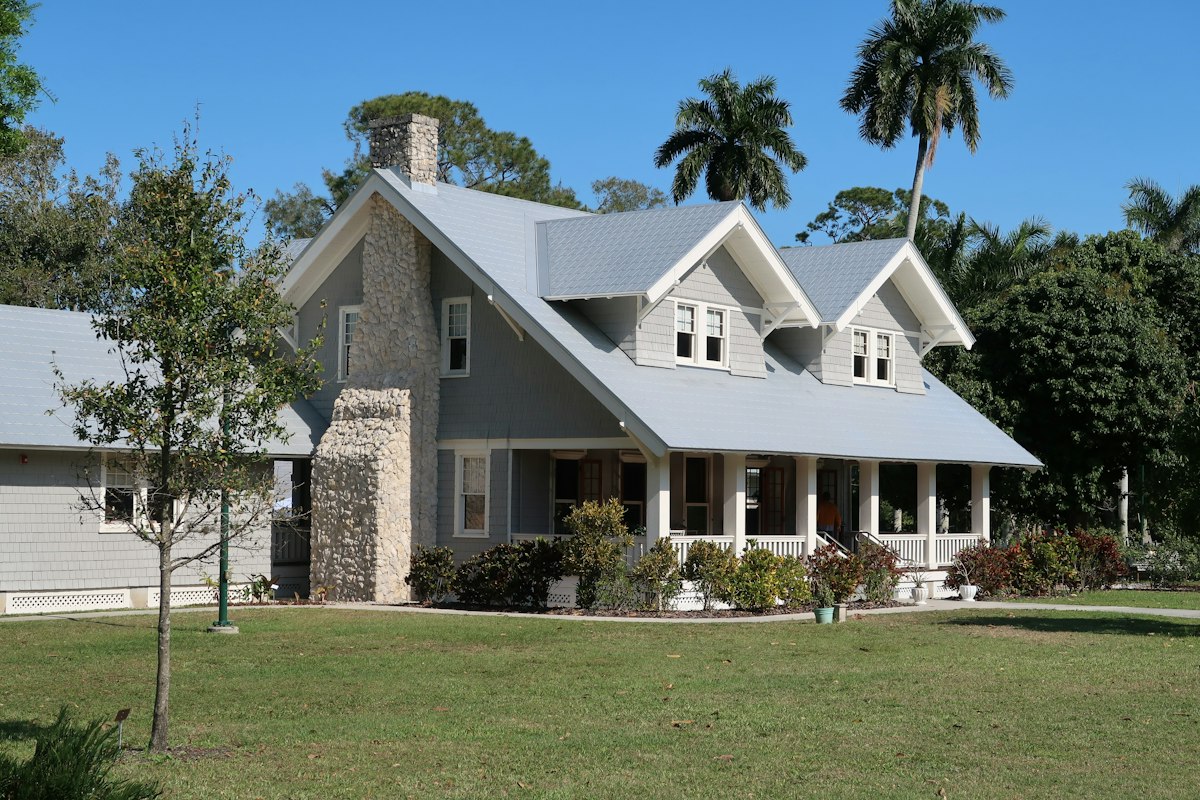
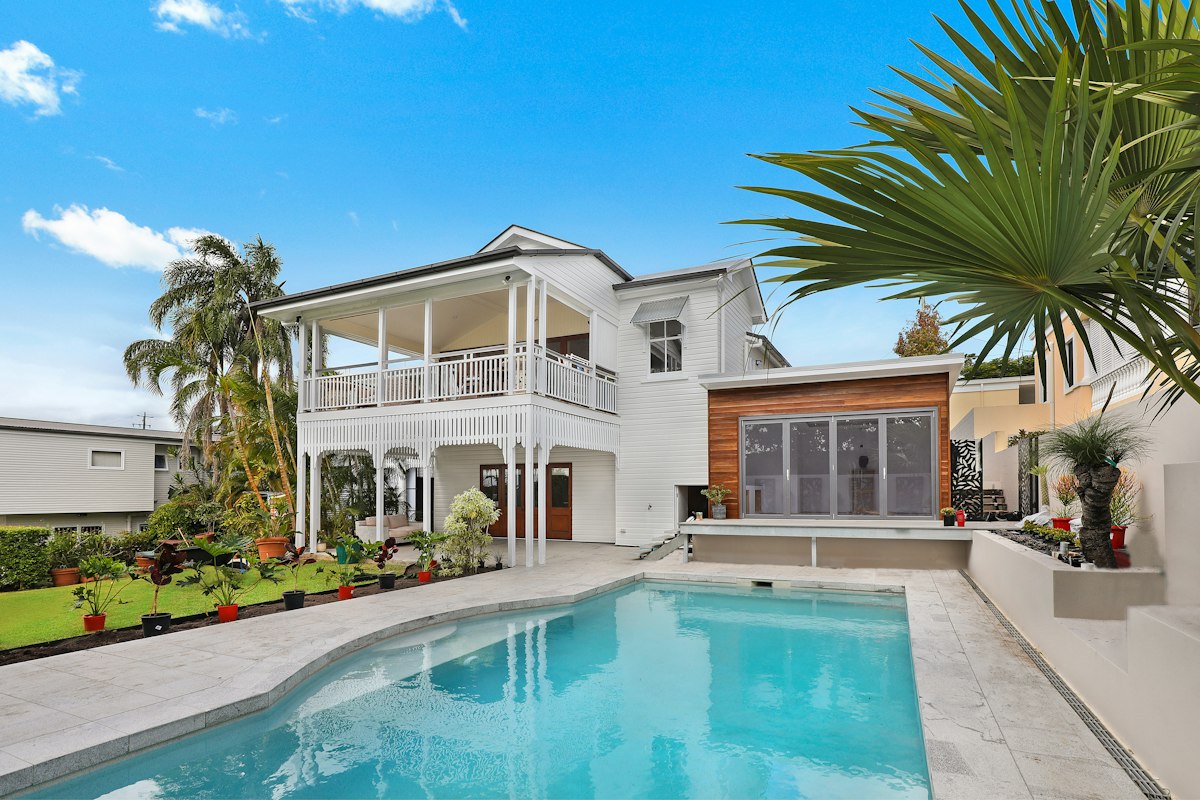
You are touring two homes on the same afternoon. One is in an established Ponte Vedra Beach neighborhood under old oaks, built in the late 1980s, with a big lot and a lot of charm. The other is in a newer section of St. Johns County, built in the late 2010s, with a smaller yard and a more modern floor plan. Your agent, your inspector and your insurance agent all keep asking the same question. What year was it built?
In Florida, that question carries more weight than it does in most of the country. A home's age, and specifically whether it was built before or after the statewide building code took effect, can affect insurance options, inspection findings and how buyers see value.
Florida adopted its first statewide building code, the Florida Building Code, effective in 2002, in the years after Hurricane Andrew. Homes built under it generally reflect stronger wind standards than many older homes. In Northeast Florida, a home's build era can affect insurance options, four-point and wind mitigation inspection results, and buyer perception, but well-maintained and updated older homes can still be strong purchases.
What Changed in 2002
Before 2002, Florida did not have a single statewide building code. Local governments adopted and enforced their own codes, and standards varied. After Hurricane Andrew hit South Florida in 1992 and exposed weaknesses in construction, the state moved toward a unified code. The Florida Building Code took effect in 2002.
The code has been updated many times since. Over the years, it has tightened requirements around wind resistance, roof attachment and other construction details. Homes built more recently were built to the more recent standards.
Why Insurers Care
Insurance companies price risk. A home built under modern wind standards may qualify for more favorable treatment than an older home without upgrades. That is where the wind mitigation inspection comes in. It documents features like roof shape, roof deck attachment, roof-to-wall connections, secondary water resistance and opening protection.
Many of those features can earn insurance credits. Newer homes often have more of them built in. Older homes can sometimes add them through upgrades, like a new roof installed to current code or impact-rated windows and doors.
The Four-Point Inspection and Older Homes
For older homes, many insurers ask for a four-point inspection, which looks at the roof, electrical, plumbing and HVAC systems. The goal is to confirm these systems are in decent condition and not near the end of their lives.
Common issues in older Florida homes can include aging roofs, older electrical panels, outdated plumbing materials and older HVAC systems. None of these are automatic deal killers. But they can affect insurability, cost and negotiations.
Selling an Older Home in Ponte Vedra Beach or Jacksonville?
The right updates and paperwork can make a big difference to buyers and their insurers. Let's talk about what matters before you list.
Call or text Joey Larsen: 904-863-6679
or visit RetireMeToFlorida.com
Build Eras in Northeast Florida, Broadly Speaking
Every home is different, but buyers often think in rough eras:
- Older homes, roughly pre-1990: Often on larger lots in established neighborhoods. Charm, mature trees and character. More likely to need updates to roofs, plumbing, electrical and windows.
- 1990s to 2001: Built before the statewide code. Many have been updated. Ask what has been replaced and when.
- 2002 and later: Built under the Florida Building Code, with later homes built under more recent editions. Often easier to insure, though roof age and condition still matter.
These are broad strokes. A beautifully updated 1985 home can be a better buy than a neglected 2005 home.
What Updates Matter Most
If you are buying or selling an older home, these updates tend to carry the most weight:
- A newer roof, with permits and documentation.
- Updated electrical panel and wiring where needed.
- Updated plumbing materials.
- A newer HVAC system.
- Impact windows, doors or approved shutters.
Keep receipts, permits and warranties. Buyers and insurers want proof, not stories.
What This Means for Value
Many Northeast Florida buyers, especially those relocating from out of state, are increasingly focused on insurability and maintenance. That can give newer and well-updated homes an edge.
At the same time, older homes in established coastal neighborhoods often sit on bigger lots, in locations you cannot replicate. In parts of Ponte Vedra Beach, Atlantic Beach and San Marco, the land and location can matter as much as the house.
For Sellers: Get Ahead of It
If you own an older home, consider getting a wind mitigation inspection and a four-point inspection before you list. You will know what buyers will find, and you can make repairs or adjust pricing in advance. Pull permit records for past work. It makes the sale smoother.
Frequently Asked Questions
When did the Florida Building Code take effect?
The first statewide Florida Building Code took effect in 2002, following reforms that came after Hurricane Andrew in 1992.
Are homes built after 2002 cheaper to insure in Florida?
They often have features that can earn insurance credits, but premiums depend on many factors including roof age, location and the insurer. Get quotes for the specific home.
What is a four-point inspection?
A four-point inspection reviews the roof, electrical, plumbing and HVAC systems. Many insurers request it for older homes.
Should I avoid buying an older home in Florida?
Not necessarily. A well-maintained, updated older home can be a great buy. Focus on the condition of major systems and get insurance quotes early.
Search Northeast Florida Homes
Browse active listings across Northeast Florida -- from master-planned communities in Nocatee, RiverTown, Tributary, and St. Johns County to coastal homes in Ponte Vedra Beach, Jacksonville Beach, Neptune Beach, Atlantic Beach, and Amelia Island.
What To Do Right Now
If you are weighing an older home against a newer one in Northeast Florida, let's compare them with insurance, updates and resale in mind.
Call or text Joey Larsen at 904-863-6679, or visit RetireMeToFlorida.com to get started.
Categories
- All Blogs (1032)
- Buyer Questions (10)
- Buyer Resources (14)
- Communities (8)
- Cost of Living (6)
- Insurance & Risk (1)
- Jacksonville / St. Johns County (3)
- Joey Studies The Market (1)
- Local Area Happenings (1)
- Local Favorites (236)
- Market Intelligence (236)
- Market Update (3)
- Nocatee (2)
- Northeast Florida Market (1)
- Our Communities (4)
- Questions Buyer Are Asking (23)
- Questions Sellers Are Asking (35)
- Real Estate Done Right (10)
- Relocation (1)
- Relocation Guides (225)
- Retirement Planning (4)
- Seller Resources (3)
- The Florida Life (225)
Recent Posts