
Why the $400s Market and the $1 Million Market Move on Different Clocks in Northeast Florida

Why Does Your Neighbor's Home Sell in a Week While Yours Sits?
You hear it at a neighborhood cookout. One friend says her house sold in four days. Another says his has been listed for three months. Both are in the same county. Both are smart, well-prepared sellers. They are not wrong, and they are not lucky or unlucky. They are playing in different parts of the market. Once you see how price bands behave differently, a lot of confusing headlines start to make sense.
The Northeast Florida housing market is really a set of smaller markets by price band. Entry-level and mid-range homes tend to draw a broad pool of buyers who are sensitive to monthly payments, while higher price points rely on a smaller pool of buyers who are often less rate-sensitive. A single county-wide average hides those differences.
One Market, Many Clocks
When you read that the market is hot or cooling, you are reading an average. Underneath, different segments move at different speeds. A move-in-ready home in a popular price range may attract multiple showings in a weekend. A luxury waterfront home may take months to find the right buyer.
Neither is a sign something is wrong. They are different buyer pools with different behaviors.
The Broad Middle
Homes in the broad middle of a market have the biggest pool of potential buyers. First-time buyers, move-up buyers, and relocating families all compete for them. These buyers are often sensitive to interest rates and monthly payments, so rate news can move activity quickly.
This segment tends to react fast to price, condition, and presentation. A well-priced home may go under contract quickly. An overpriced one can sit and collect reductions.
The Move-Up Segment
In St. Johns County, many owners who bought a few years ago in places like Nocatee, Shearwater, and RiverTown are now thinking about a bigger home or a different location. They are both sellers and buyers, and they are sensitive to timing and equity.
This group shapes the market in an interesting way. Their decisions create a chain: when one family sells, another can buy, and a third can move up. When confidence drops, the chain slows.
The Luxury Segment
At higher price points, the buyer pool is smaller, and many buyers are less dependent on mortgage rates. They can be cash buyers or those with large down payments. They also tend to be more selective, because they are buying a specific lifestyle, view, or location.
That makes the process slower and more individual. Marketing, presentation, and patience matter more. A single great showing from the right buyer can make the sale, but finding that buyer takes time.
Curious Which Clock Your Price Range Runs On?
I will show you what is active, pending, and sold in your exact price band and neighborhood.
Call or text Joey Larsen: 904-863-6679
or visit RetireMeToFlorida.com
The Coastal Premium
Coastal and waterfront locations behave differently again. Scarcity matters: there is only so much oceanfront or Intracoastal frontage. Buyers may compete for the best locations even when the broader market is quiet, and they may be more patient when the right property is not available.
That does not mean coastal prices never soften. It means that the drivers are different, and the best data for coastal homes comes from comparing like with like.
Examples of How the Bands Differ
Consider three imaginary homeowners in St. Johns County. The first owns a modest townhome and lists it at a price that fits a wide group of buyers. Several showings come in the first weekend, and an offer arrives quickly. The second owns a larger single-family home in a popular master-planned community. It draws steady interest, but buyers compare it with several similar homes and negotiate on price and terms. The third owns a custom waterfront property. It sees fewer showings, but each one is serious, and the right buyer takes time to appear.
None of these owners did anything wrong. They simply live in different parts of the market, and each needs a different plan. The townhome seller needs to be ready for speed. The middle seller needs sharp pricing and condition. The waterfront seller needs patience, strong marketing, and realistic expectations about the timeline.
How to Use This as a Seller
Look at your price band, not the county average. Ask your agent how many homes in your range are active, how many are pending, and how long they have been on the market. Set your price and your expectations based on that segment.
If you are in a slower band, invest in presentation and patience. If you are in a faster band, be ready for quick showings and offers.
How to Use This as a Buyer
If you are shopping in a competitive segment, get your financing in order and be ready to act. If you are shopping in a slower segment, you may have time to negotiate and ask for concessions.
Either way, the national headline is not your market. Your market is the price range and neighborhood you care about. Planning around your actual segment gives you a calmer and more accurate view of what to expect.
What This Means for Your Planning
If you are a seller, ask your agent which band your home sits in and what the pace looks like in that band right now. If you are a buyer, ask how many comparable homes are available and how quickly the best ones are going under contract.
Planning around your actual segment, rather than the headline, gives you a calmer and more accurate view of what to expect. It also helps you decide when to be patient and when to move fast.
Good agents track these segments week by week. Ask yours to show you the numbers for your price range, your neighborhood, and your style of home. The conversation is usually eye-opening.
A Final Thought
The market is not one thing. It is many conversations happening at once, and yours is the one that matters. Learn which one you are in, and you will make better choices.
Frequently Asked Questions
Why do county-wide averages mislead?
They blend very different segments together. A change in luxury sales can move the average without affecting entry-level homes.
Are higher-priced homes always slower?
Often, because the buyer pool is smaller, but individual homes vary. Condition, location, and price all matter.
How do interest rates affect different segments?
Buyers who rely heavily on financing tend to be more sensitive to rate changes than cash buyers.
Search Northeast Florida Homes
Browse active listings across Northeast Florida, from master-planned communities in Nocatee, RiverTown, Tributary, and St. Johns County to coastal homes in Ponte Vedra Beach, Jacksonville Beach, Neptune Beach, and Atlantic Beach.
What To Do Right Now
The best decisions come from local, segment-level information. If you want to see your corner of the market clearly, I am happy to walk you through it.
Call or text Joey Larsen at 904-863-6679, or visit RetireMeToFlorida.com to get started.
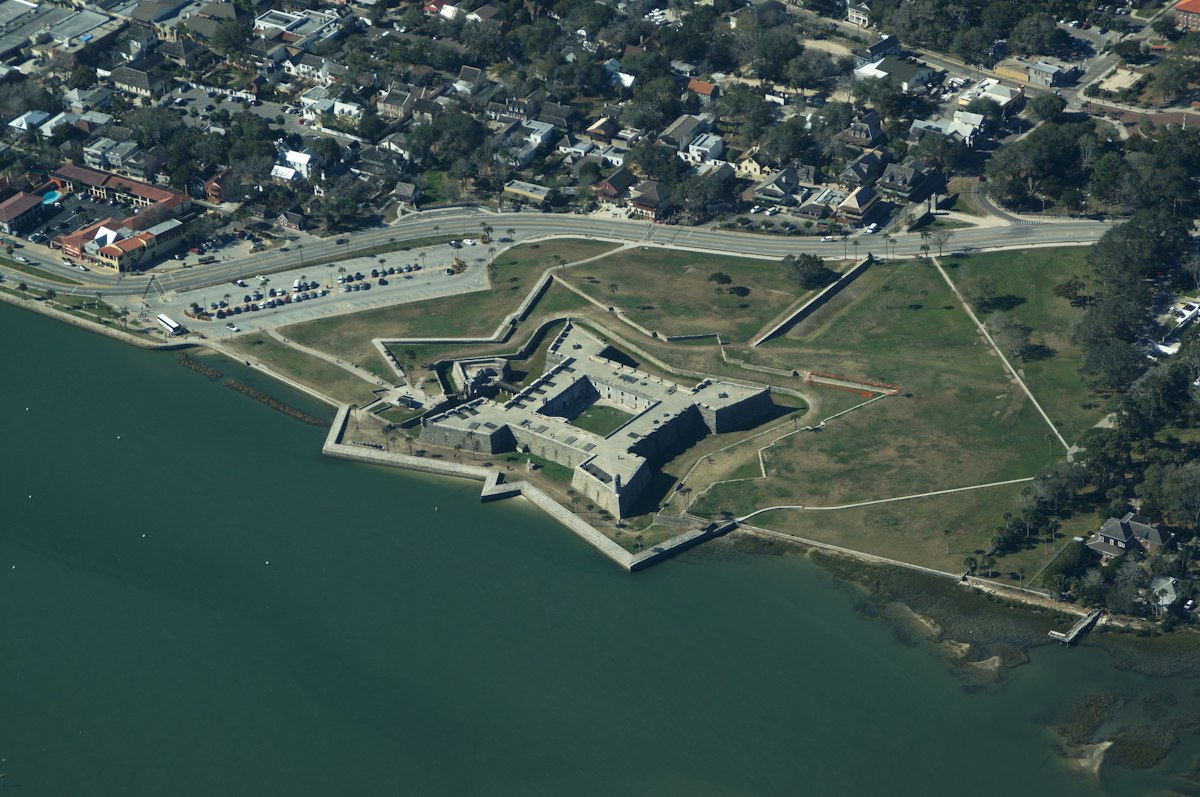
Cover photo: St Aug Fullerwood Park15a by Ebyabe, CC BY-SA 3.0, via Wikimedia Commons.
Categories
- All Blogs (903)
- Buyer Questions (10)
- Buyer Resources (14)
- Communities (8)
- Cost of Living (6)
- Insurance & Risk (1)
- Jacksonville / St. Johns County (3)
- Joey Studies The Market (1)
- Local Area Happenings (1)
- Local Favorites (203)
- Market Intelligence (204)
- Market Update (3)
- Nocatee (2)
- Northeast Florida Market (1)
- Our Communities (4)
- Questions Buyer Are Asking (23)
- Questions Sellers Are Asking (21)
- Real Estate Done Right (10)
- Relocation (1)
- Relocation Guides (196)
- Retirement Planning (4)
- Seller Resources (3)
- The Florida Life (204)
Recent Posts