
Why Deals Fall Through Between Pending and Closing in Northeast Florida

Why Do Some Deals Fall Apart After the Contract Is Signed?
The sign says pending. You have started pricing moving boxes, you have told your neighbors, and maybe you have even picked a spot on the calendar for the farewell dinner. Then one afternoon your agent calls, and you can hear it in the first sentence that something has changed.
Most contracts do close. But some do not, and the reasons are usually ordinary and fixable if you know where to look. Understanding the stretch between pending and closing is one of the most useful things a seller can do before listing.
Deals most often stumble over financing, the appraisal, inspection results, insurance, title issues, or timing. None of these means a sale is doomed, and sellers can lower the risk by choosing offers carefully, staying organized, and responding quickly when something comes up.
Why Pending Does Not Mean Done
A pending status means the contract is signed and the work of closing is underway. It does not mean the sale is guaranteed. Between the signature and the closing table, a long list of things has to line up, and each one belongs to a different person.
The buyer, the lender, the appraiser, the inspector, the insurance company, the title company, and the seller all have a role. When one of them is late or finds a problem, the others feel it.
That is why a pending sale is best treated like a project with a checklist, not a finish line. The good news is that most of the checklist can be managed.
Financing Hiccups
Many buyers rely on a mortgage, and the lender keeps reviewing the file until closing. If something about the buyer's finances changes, such as a job change, a new debt, or a missing document, the loan can slow down or fail.
Sellers cannot control the buyer's finances, but they can look at the strength of the offer when they choose it. A buyer with a clear approval and a lender who communicates well is a different risk than a buyer with an approval that still has open questions.
Ask your agent how the lender has been vetted and what documents are already in. A conversation that happens before you accept an offer is easier than one that happens after.
Planning a Sale and Want a Smoother Path to Closing?
If you are thinking about selling and relocating to Florida, a home-value conversation with Joey covers pricing, preparation, and what to expect between the contract and the closing table, so you go in with a plan.
Call or text Joey Larsen: 904-863-6679
or visit RetireMeToFlorida.com
Appraisal Gaps
If a buyer uses financing, the lender usually requires an appraisal. The appraiser decides what the home is worth based on comparable sales, and that number may not match the contract price.
When the appraisal comes in lower than the price, the parties have to decide what to do. The buyer may bring extra funds, the seller may adjust the price, they may split the difference, or the contract may end if its terms allow.
Pricing a home at a realistic level from the start is the best protection. A home priced near what recent sales support is less likely to hit an appraisal wall. In communities like Nocatee and Silverleaf, where many similar homes sell, appraisers have plenty to compare, so a price that stretches too far tends to stand out.
Inspection and Insurance Surprises
After the contract, the buyer usually has time to inspect the home. If the inspector finds something significant, the buyer may ask for repairs, a credit, or a lower price. If the parties cannot agree, the contract may end.
In Florida, insurance adds another layer. Buyers often talk with an insurance agent while the sale is pending, and things like roof age, wiring, plumbing, or location can affect what is offered. A buyer who cannot get coverage they are comfortable with may reconsider.
Sellers can lower this risk by knowing their home. Gathering records on roof work, air conditioning service, and repairs before listing gives you answers when questions come. Some sellers also order a pre-listing inspection for the same reason.
Insurance and coverage questions vary by property, so encourage buyers to talk with a licensed insurance agent early.
Title, Paperwork, and Timing
The title company searches records to confirm that the seller can legally transfer the home and that nothing unexpected is attached to it. Most searches are routine. Occasionally one turns up an old lien, a recording error, or a payoff that needs sorting out.
If you are in a community with an HOA or a CDD, there may also be documents, balances, or approvals to coordinate. Having your association contact information ready helps avoid delays.
Timing is the quiet reason many contracts get stressed. A buyer who needs to sell their own home, a seller who needs a particular closing date, or a holiday week that slows offices can all strain a schedule. A realistic closing date that gives everyone breathing room beats an aggressive one.
Disagreements over repairs, possession, and final walkthrough details can also surface late. Clear communication from the start keeps them small.
How Sellers Can Reduce the Risk
Start by choosing the offer, not just the price. A slightly lower number with strong financing, reasonable timing, and an organized buyer may close more reliably than a higher number that carries more uncertainty.
Prepare your home and paperwork before you list. Keep records, know your HOA contact, and be ready to give access for inspections and appraisals without a scramble.
Respond quickly. Many deals survive a problem when the seller answers within hours, not days. If you are managing a sale from out of state, make sure your agent knows how to reach you and who can act on your behalf.
Stay in touch with your agent about each milestone, ask what is next, and keep expectations realistic. Most contracts close because everyone kept moving. A calm seller is a real advantage.
Frequently Asked Questions
What is the most common reason deals fall through?
There is no single answer, since it varies by market and by deal. Financing, appraisal, inspection results, insurance, title, and timing are the usual categories. Your agent can tell you what is happening in your area.
Can a seller do anything about a low appraisal?
Sellers can price realistically from the start and provide helpful information about upgrades and recent sales. If an appraisal comes in low, the parties usually negotiate. Your agent can explain the options under your contract.
Does the buyer's insurance really affect the sale?
It can. Buyers often confirm they can obtain coverage they are comfortable with, and issues with the roof or other systems can raise questions. A licensed insurance agent can give specifics for a particular home.
Should I keep my home showing-ready while pending?
That depends on your contract and any backup arrangements. Ask your agent. In any case, keep the home accessible for inspections and the appraisal, and keep it tidy.
Search Northeast Florida Homes
Browse active listings across Northeast Florida, from master-planned communities in Nocatee, RiverTown, Tributary, and St. Johns County to coastal homes in Ponte Vedra Beach, Jacksonville Beach, Neptune Beach, Atlantic Beach, and Amelia Island.
What To Do Right Now
Pending is a good sign, not a promise. The sellers who reach the closing table most smoothly are the ones who prepared before listing and stayed responsive during the contract. A little planning goes a long way.
Call or text Joey Larsen at 904-863-6679, or visit RetireMeToFlorida.com to get started.
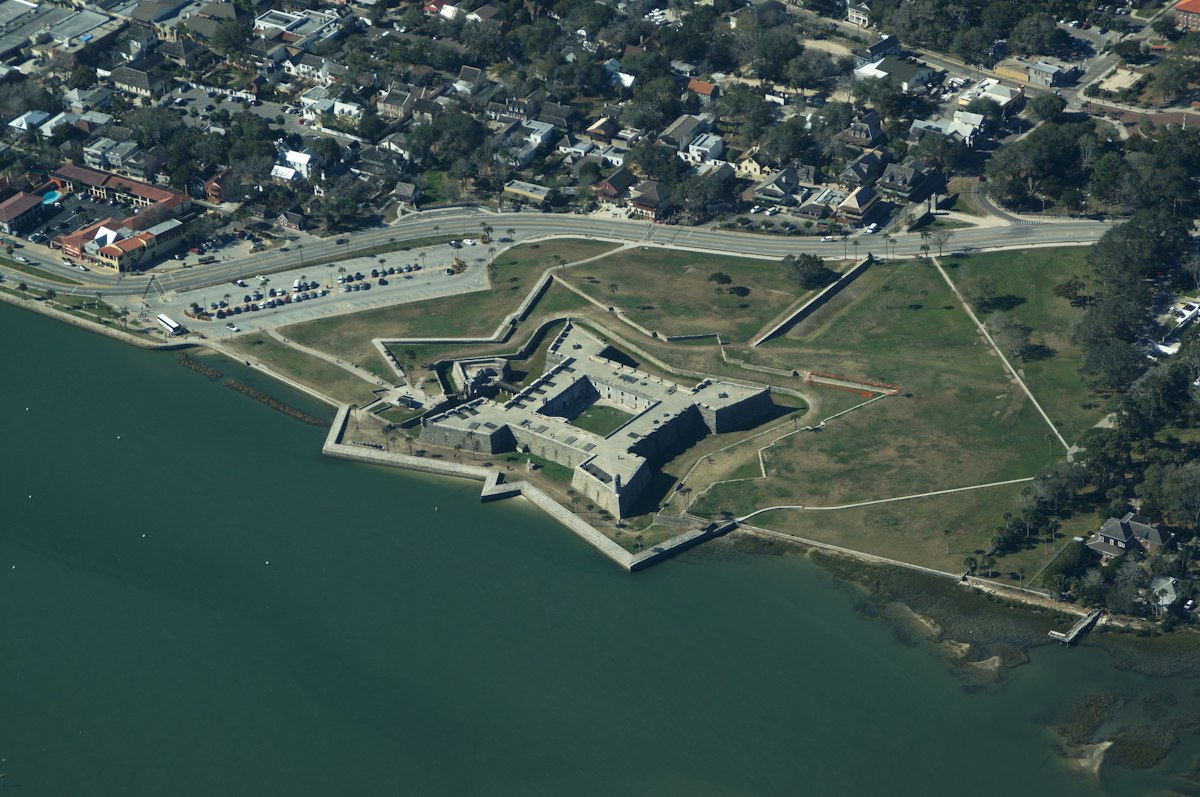
Cover photo: St Aug Abbott Tract HD house18a by Ebyabe, CC BY-SA 3.0, via Wikimedia Commons.
Categories
- All Blogs (903)
- Buyer Questions (10)
- Buyer Resources (14)
- Communities (8)
- Cost of Living (6)
- Insurance & Risk (1)
- Jacksonville / St. Johns County (3)
- Joey Studies The Market (1)
- Local Area Happenings (1)
- Local Favorites (203)
- Market Intelligence (204)
- Market Update (3)
- Nocatee (2)
- Northeast Florida Market (1)
- Our Communities (4)
- Questions Buyer Are Asking (23)
- Questions Sellers Are Asking (21)
- Real Estate Done Right (10)
- Relocation (1)
- Relocation Guides (196)
- Retirement Planning (4)
- Seller Resources (3)
- The Florida Life (204)
Recent Posts