Snowbird Season: How Winter Buyers Shape Pricing on the Northeast Florida Coast
Why does the coast get busier, and pricier, right after the holidays?
The week after New Year's, you notice the cars. Ontario plates at the Publix in Ponte Vedra Beach. New York and Ohio plates parked along the beach accesses in Jacksonville Beach. The patio at your usual lunch spot has a waitlist on a Tuesday. And the listing two doors down that sat quietly through November suddenly has three showings in a weekend and a pending sign by the following Friday. You did not change anything. The calendar did.
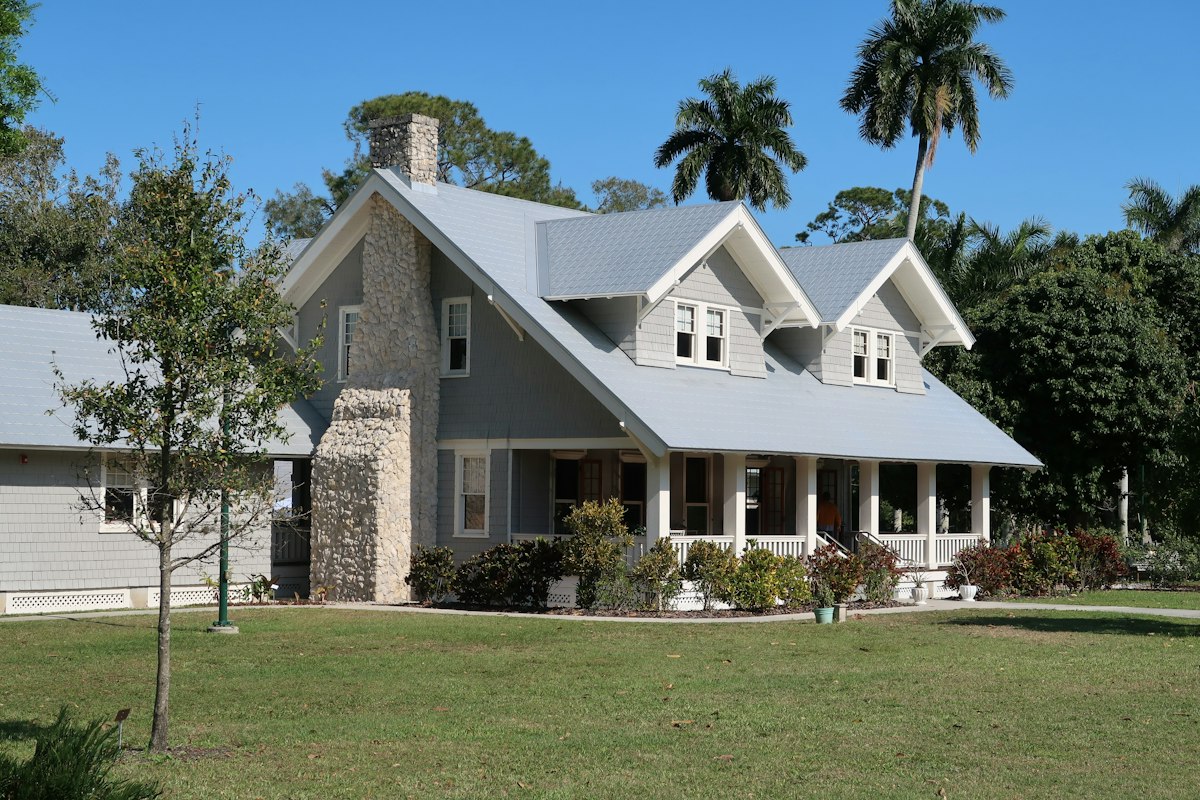
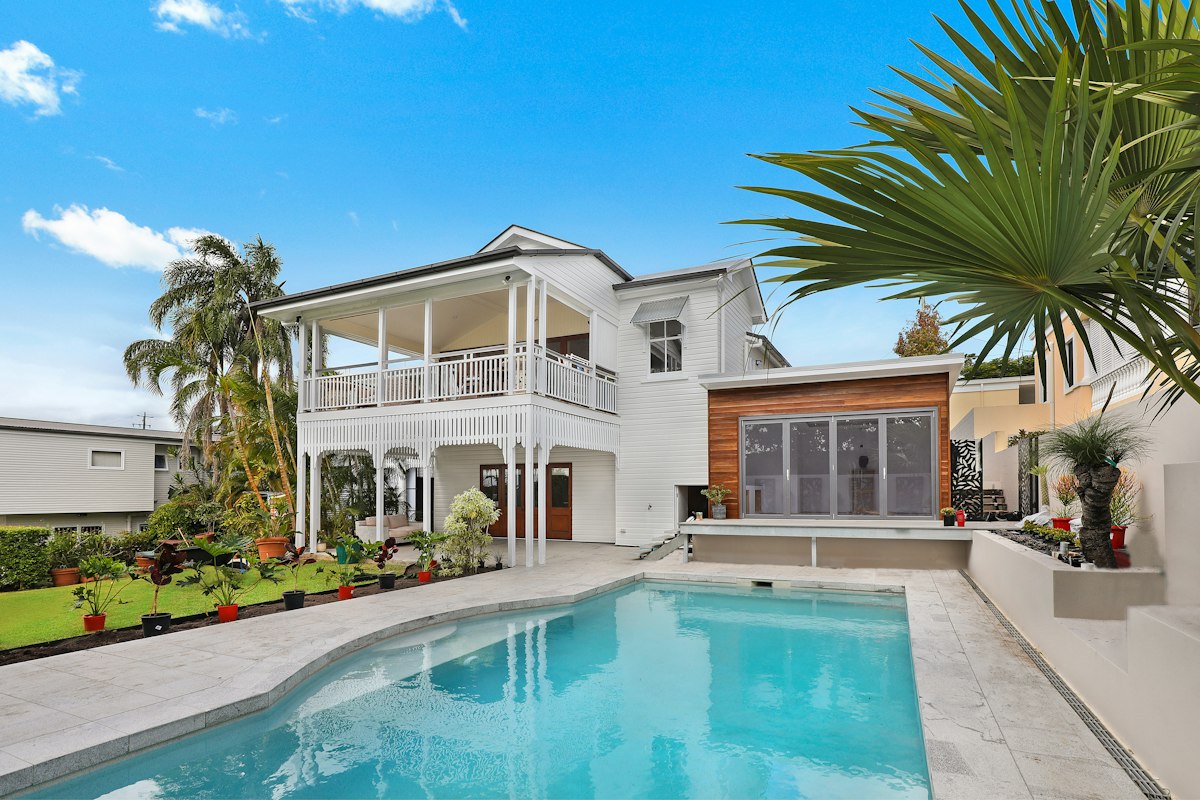
Snowbird season, roughly January through March, brings a wave of seasonal residents and out-of-state buyers to the Northeast Florida coast, including Ponte Vedra Beach, the Jacksonville beaches, St. Augustine and Amelia Island. These buyers are often cash-ready, lifestyle-driven and shopping in person, which tends to firm up pricing and shorten marketing times on coastal homes during the winter. For sellers, it is a strong window. For buyers, it means more competition on the best properties.
Who the winter buyers are
Snowbirds are not one group. Some are longtime seasonal renters in St. Augustine or Ponte Vedra who have decided this is the year to stop renting. Some are planners from Pennsylvania or Illinois who timed a scouting trip to coincide with the worst weather at home. Some are already Florida residents from the Gulf side or South Florida who come north to the First Coast for a quieter, less crowded coast.
What they have in common is motivation. They are here in person, they have usually sold or are ready to sell something up north, and they are comparing neighborhoods on the ground rather than through a screen. That is a very different buyer from someone casually browsing listings in July.
Why the coast feels it more than inland
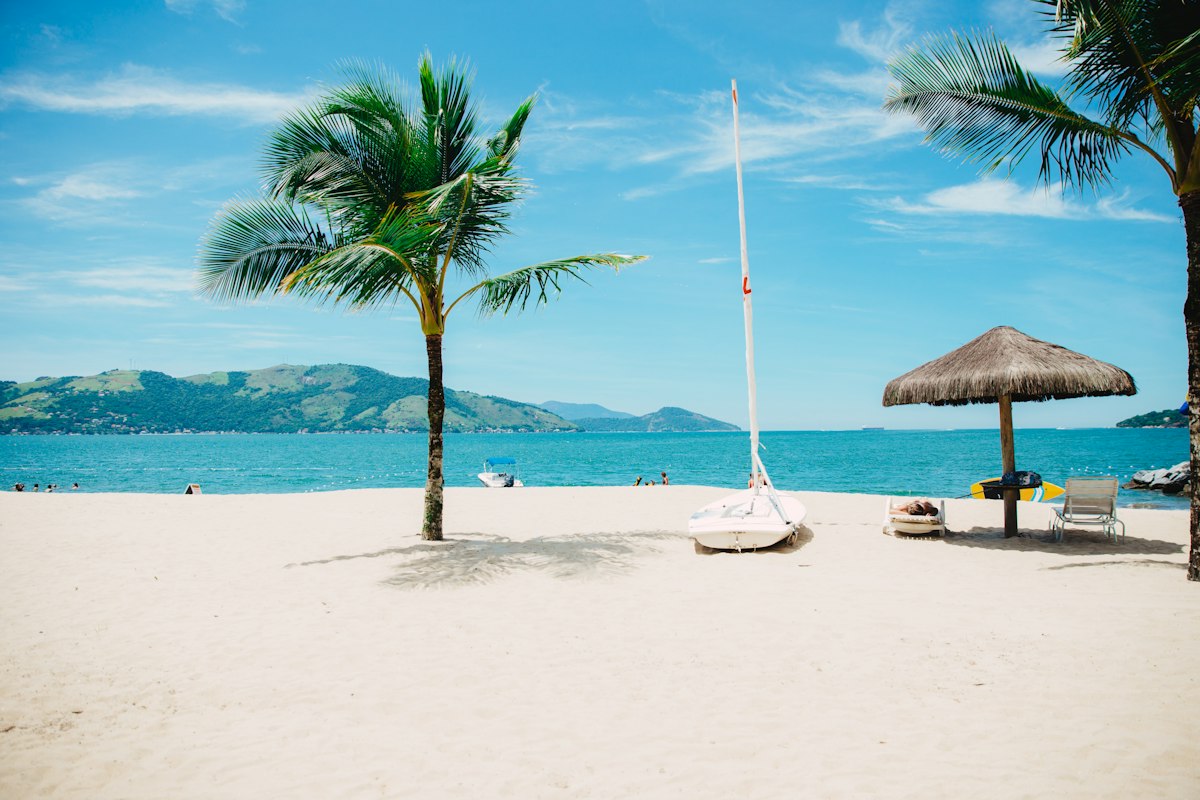
Winter buyers are disproportionately drawn to the water. The whole point of the trip is to be near the beach in January, so the showings cluster in Ponte Vedra Beach, Atlantic Beach, Neptune Beach, Jacksonville Beach, Vilano, St. Augustine Beach and Amelia Island. Inland communities like Nocatee and St. Johns County's master-planned neighborhoods see winter traffic too, but the seasonal surge is sharpest along A1A.
Condos and townhomes near the ocean, single-story homes a short walk from a beach access, and anything with a water view get the most attention. Properties that work as a lock-and-leave for a seasonal owner are especially in demand.
How the wave shows up in the numbers
This is where local data matters more than national headlines, and the pattern is consistent enough that experienced agents plan around it. Showing activity on coastal listings rises after the holidays. Pending sales follow a few weeks later. Price reductions become less common on well-presented homes because sellers are getting feedback and offers rather than silence. The spring closing numbers that make the news in April and May are often contracts written in January and February by winter visitors.
None of this guarantees a particular sale price. What it does is tilt the odds. A coastal home that would have taken three months to sell in late summer may find its buyer in three weeks during snowbird season if it is priced sensibly and ready to show.
Own a coastal home and thinking about selling this winter?
Winter buyers are already booking their trips. Joey can tell you what your Ponte Vedra Beach, Jacksonville Beach or Amelia Island home is worth right now and whether a January listing makes sense for you.
Call or text Joey Larsen: 904-863-6679
or visit RetireMeToFlorida.com
What sellers should do with this
Be ready before the wave, not during it. Homes that go live in early January catch the first and most motivated visitors. Homes that list in March catch the tail end, when many winter buyers have already chosen.
Show the winter lifestyle. Open the lanai, stage the outdoor space, and schedule showings in the afternoon light. A snowbird touring your Atlantic Beach home on a 68-degree afternoon in January is comparing it to a frozen driveway, and that comparison does half of your marketing.
Have the paperwork done. Winter buyers are often on a tight trip schedule. Insurance history, roof age, flood zone information, HOA or condo documents and a clean inspection report let a serious buyer move from showing to offer before they fly home.
What buyers should do with this
If you are the winter buyer, know that you are not the only one. The best-located coastal homes draw multiple interested parties in January and February, and a hesitant buyer loses to a decisive one. Come with financing arranged or proof of funds ready. Decide in advance what you will and will not compromise on. And consider the inland alternative: a home in Nocatee or Palencia a short drive from the beach often offers more house and less competition than the same budget spent on A1A.
There is also a contrarian play. Buyers who shop in late summer and early fall, after the seasonal residents have gone home and before the next wave arrives, often find more negotiable sellers on the coast. It is hotter and the tropics are active, but the competition is thinner.
The longer trend behind the season
Snowbird season has always existed in Florida, but the First Coast's version has grown as the region's profile has risen. Jacksonville's airport connections to the Northeast and Midwest make a winter scouting trip easy. The lack of a state income tax keeps drawing retirees. And the coast here is still less crowded and, in many segments, less expensive than the Gulf or South Florida, which is a comparison winter visitors make constantly. Each year, a share of them stop visiting and start owning. That steady conversion is a big part of what supports coastal values in Northeast Florida.
Frequently Asked Questions
When is snowbird season in Northeast Florida?
Seasonal residents and winter buyers are most present from January through March, with arrivals starting after Thanksgiving and departures stretching into April. The peak for home showings on the coast is typically January and February.
Do home prices go up during snowbird season?
Demand for coastal homes increases, which tends to firm up pricing and reduce time on market for well-presented properties. It does not guarantee higher sale prices, and inland communities feel the effect less than the beach towns.
Is winter a bad time to buy on the Northeast Florida coast?
It is a competitive time, not a bad one. Buyers who are prepared and decisive do well. Those who want more negotiating room sometimes find it in late summer and early fall, when seasonal traffic is lightest.
Which areas see the biggest winter surge?
Ponte Vedra Beach, the Jacksonville beaches, Vilano and St. Augustine Beach, and Amelia Island. Waterfront and near-beach condos, townhomes and single-story homes draw the most seasonal interest.
Search Northeast Florida Homes
Browse active listings across Northeast Florida -- from master-planned communities in Nocatee, RiverTown, Tributary, and St. Johns County to coastal homes in Ponte Vedra Beach, Jacksonville Beach, Neptune Beach, and Atlantic Beach.
What To Do Right Now
If you own on the coast, decide before the holidays whether this is your winter to sell, so the home is ready when the plates change. If you are the buyer, get your financing and your short list sorted before you book the January flight.
Call or text Joey Larsen at 904-863-6679, or visit RetireMeToFlorida.com to get started.
Categories
- All Blogs (1032)
- Buyer Questions (10)
- Buyer Resources (14)
- Communities (8)
- Cost of Living (6)
- Insurance & Risk (1)
- Jacksonville / St. Johns County (3)
- Joey Studies The Market (1)
- Local Area Happenings (1)
- Local Favorites (236)
- Market Intelligence (236)
- Market Update (3)
- Nocatee (2)
- Northeast Florida Market (1)
- Our Communities (4)
- Questions Buyer Are Asking (23)
- Questions Sellers Are Asking (35)
- Real Estate Done Right (10)
- Relocation (1)
- Relocation Guides (225)
- Retirement Planning (4)
- Seller Resources (3)
- The Florida Life (225)
Recent Posts