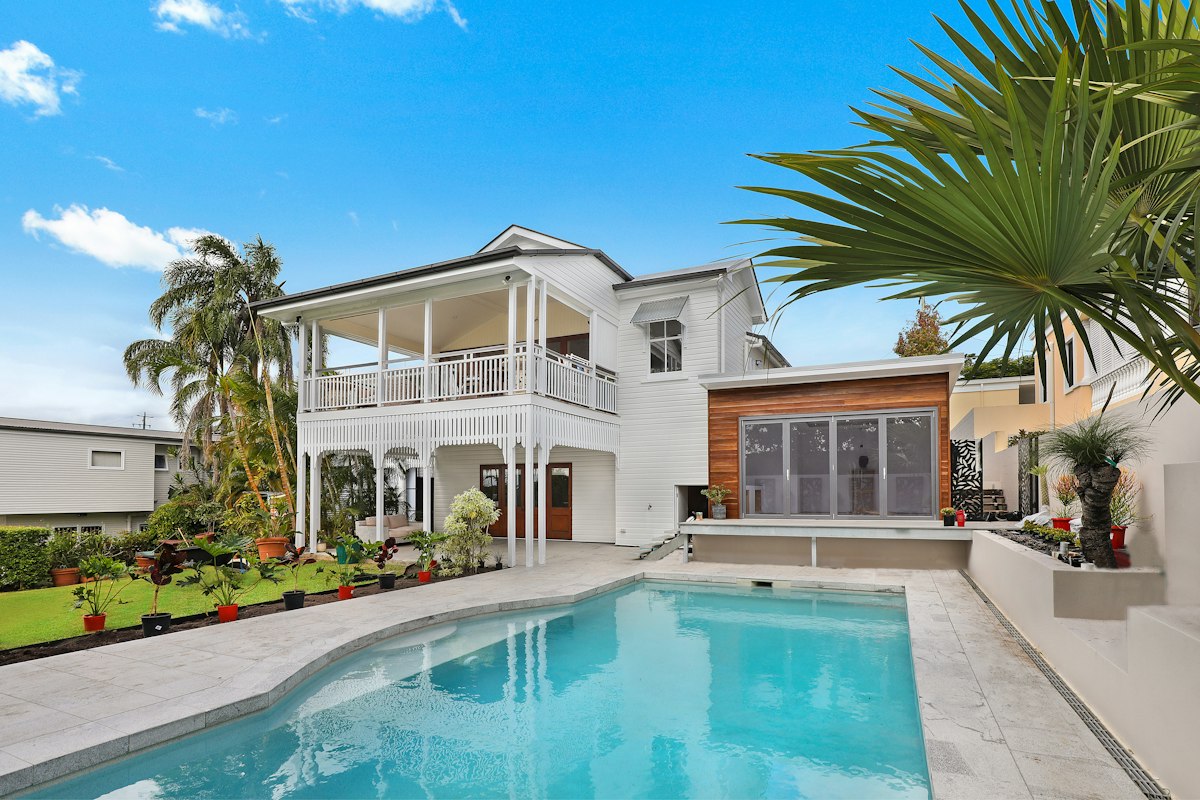
Short Sales and Foreclosures in Northeast Florida: What They Really Involve
Short Sales and Foreclosures in Northeast Florida: What They Really Involve
You're three weeks into a search and the same thing keeps happening. Everything you like is priced where everything else is priced. Then one listing shows up in World Golf Village that looks wrong in the good way. Same square footage as the others, noticeably less money.
You scroll down. There's a line in the remarks about third party approval. Or bank owned, sold as is, no repairs. Or the photos stop after the kitchen.
Your first thought is that you found something everyone else missed. Your second thought, the useful one, is a question: what is actually going on with this house, and what am I signing up for?
Distressed inventory in Northeast Florida is typically a small slice of what's for sale, and short sales and foreclosures are two very different animals. A short sale needs lender approval and moves on the lender's clock. A foreclosure sale or bank owned property moves fast but comes with no disclosures and no repairs. Both show up occasionally in St. Johns County, Duval County and Nassau County, and both ask you to trade certainty for price.
Three Different Things People Call the Same Thing
The words get used interchangeably, which is how people end up surprised. They describe three separate stages.
A short sale
The owner still owns the home. They're selling it for less than what's owed on the mortgage, which means the lender has to agree to accept less than the full payoff and release the lien anyway. Nobody is required to say yes.
You negotiate with the seller like any other sale, they sign, and then the file goes to the lender for review. That's when the waiting starts.
A foreclosure sale
Florida is a judicial foreclosure state, which means the lender has to go through court. There's a lawsuit, a judgment, and then a public sale conducted by the clerk of court. In much of Florida these sales now happen online rather than on courthouse steps.
Buying at that sale is a different sport entirely. You typically cannot inspect the property, you may not be able to see inside at all, and you're buying subject to whatever survives the foreclosure. Title issues, other liens, occupants. The deposit and payment rules are strict and fast.
A bank owned or REO property
Nobody bid enough at the sale, so the lender took title. Now it's an ordinary listing on the market with an extraordinary seller. This is the one most retail buyers actually encounter, and it behaves much more like a normal purchase than the courthouse auction does.
Why This Is a Small Slice Here
Northeast Florida has been a growth market for years. Communities like Nocatee, Shearwater, Silverleaf and RiverTown are full of homes bought relatively recently, and owners who have held for a while generally have equity.
Equity is what prevents distress from becoming a short sale. An owner in trouble who has equity does not need lender approval. They list, they sell, they pay off the loan and keep whatever's left. It never gets labeled distressed because it isn't.
So the distressed listings that do appear cluster in specific situations. Homes bought at the top of a cycle with very little down. Properties that fell into disrepair. Estates that went sideways. Occasionally a condo where association issues collided with a mortgage.
What a Short Sale Really Asks of You
Patience, mostly. And a tolerance for the possibility that the whole thing evaporates.
Here's the sequence. You and the seller agree on terms. The seller's package goes to the lender: hardship documentation, financials, a valuation ordered by the lender, the contract. Then a negotiator reviews it.
Timelines vary enormously. A file with one mortgage and one clear decision maker goes faster than a file with a second mortgage, a mortgage insurer, and an investor who has to sign off separately.
A few things that catch buyers off guard:
- The lender can change the deal. They may approve at a different price, or refuse to pay certain costs the contract assigned to the seller. Now you're deciding whether to cover the gap.
- Junior liens have to be dealt with. A second mortgage, a judgment, unpaid association assessments. Each one is a party who has to release, and each one can hold things up.
- Your rate lock and your inspection clock can expire. Spending money on an inspection and appraisal early in a file that may take months is a real risk. Timing that is part of the strategy.
- The seller may still be in financial trouble. Which means deferred maintenance is likely, and the home may not have been serviced in a while. That air handler has been running without a filter change for a reason.
- Approval is not a ranking. Some lenders will keep reviewing other offers while yours sits. Ask how the seller's agent is handling that.
Want to know if that discount is real?
A distressed listing is only a deal if the price gap is bigger than what it will cost to fix, wait and carry. Let's run it against real comparable sales before you write anything.
Call or text Joey Larsen: 904-863-6679
or visit RetireMeToFlorida.com
What a Bank Owned Purchase Really Asks of You
Speed and self reliance. The dynamic flips completely. Where a short sale is slow and uncertain, an REO purchase is usually quick and rigid.
The seller is an institution that never lived in the house and knows almost nothing about it. Expect an addendum that modifies the standard contract heavily in the seller's favor, with its own deadlines, its own default terms, and per day penalties for late closing.
Expect as is with no repairs. Not as is with a repair negotiation. Actually no repairs, no credits, and often no willingness to make a lender required fix even when the loan needs it. A home with an active roof leak, missing appliances or nonfunctioning systems may not qualify for certain loan products, which quietly narrows the buyer pool to cash and renovation financing.
Also expect that the utilities may be off, which makes a meaningful inspection harder. Turning services on may be your responsibility.
Title, Liens and the Boring Stuff That Ends Deals
This is where the real risk lives, and it's the least glamorous part of the conversation.
A judicial foreclosure is supposed to wipe out junior liens when it's done correctly. Sometimes it isn't done correctly. Sometimes a party wasn't served properly. Sometimes there's a code enforcement lien, a municipal utility lien, or an unpaid association account that isn't cleanly resolved by the sale.
For association assessments, Florida law gives a foreclosing first mortgage holder a limited safe harbor on past due amounts, but the specifics matter and the association's ledger needs to be reviewed. Get an estoppel. Read it.
Buying a normal listing from a bank, you'll go through a title search and get an owner's title insurance policy, and that's your protection. Buying at the clerk's foreclosure sale, you generally do not get title insurance at the moment of purchase and may need a separate action to make title insurable. If someone tells you that step is routine, ask them to explain exactly what it involves and what it costs.
There's also redemption. Under Florida law a borrower can cure and stop the process up to a point in the sale sequence, so don't spend money assuming the sale is final until it actually is.
The Honest Math
Run the number all the way out before you decide anything is a bargain.
Start with what comparable homes in that neighborhood actually sold for, not what's listed. Subtract what it will cost to make this one equivalent: roof, HVAC, flooring, the pool nobody serviced, the landscaping that died. Add carrying cost for however long the process takes, and the cost of the inspections and appraisals you may pay for on a deal that doesn't close.
Then add the thing people leave out, which is your own time. A months long short sale on a home in Julington Creek while you're paying rent and living out of boxes has a cost even if no invoice arrives.
If the discount still clears all of that comfortably, you found something. If it barely clears, you're doing a lot of work to buy a house at market price with extra steps.
Who These Actually Suit
Short sales suit a buyer with no deadline. A second home purchaser, someone already renting comfortably, an investor with other options. If you have to be in a house by a date, a short sale is a poor bet.
Bank owned properties suit a buyer with reserves and renovation appetite, plus the willingness to absorb whatever the inspection turns up without a seller to argue with.
Courthouse auction purchases suit experienced investors who buy regularly and understand title. That is a professional activity. It is not a way to get into a home in Ponte Vedra Beach for less.
If none of those describe you, that's fine. Most buyers in Northeast Florida do better working the ordinary market well: good timing, sharp terms, real knowledge of what a home in Palencia or Tributary is worth. That's where the actual advantage is.
Frequently Asked Questions
Are short sales always cheaper than regular listings?
No. A short sale list price is often set by the seller's agent before the lender has weighed in, so it may be optimistic, and the lender will generally want something supportable by their own valuation. Some short sales end up approving at or near market. Judge the price against recent comparable sales, not against the label.
How long does a short sale take in Florida?
It varies widely and nobody can promise you a timeline honestly. A single lien with a responsive servicer can move in a matter of weeks. Multiple liens, mortgage insurance and investor approvals can stretch it much longer. Ask the listing agent where the file currently stands before you write.
Can I inspect a foreclosure before I buy it?
If it's a bank owned listing on the open market, yes, and you should, though the seller will almost certainly refuse to make repairs. If you're buying at the clerk's foreclosure sale, usually not, and that is one of the main reasons those purchases belong to experienced investors.
Is there a lot of distressed inventory in St. Johns County right now?
Typically it's a small slice of what's for sale, and it moves around. Rather than rely on a general impression, ask for a current count for the specific areas you're considering, because the answer differs between Nocatee, World Golf Village, Duval County and Nassau County.
Search Northeast Florida Homes
See what's actually active today across St. Johns County, Duval County and Nassau County, from RiverTown and Silverleaf to Amelia Island.
What To Do Right Now
If a distressed listing caught your eye, send it over before you go further. Ten minutes of research will tell you whether it's an opportunity or a time sink.
Call or text Joey Larsen at 904-863-6679, or visit RetireMeToFlorida.com to get started.
Categories
- All Blogs (762)
- Buyer Questions (10)
- Buyer Resources (14)
- Communities (8)
- Cost of Living (6)
- Insurance & Risk (1)
- Jacksonville / St. Johns County (3)
- Joey Studies The Market (1)
- Local Area Happenings (1)
- Local Favorites (170)
- Market Intelligence (169)
- Market Update (3)
- Nocatee (2)
- Northeast Florida Market (1)
- Our Communities (4)
- Questions Buyer Are Asking (25)
- Questions Sellers Are Asking (8)
- Real Estate Done Right (11)
- Relocation (1)
- Relocation Guides (160)
- Retirement Planning (4)
- Seller Resources (3)
- The Florida Life (176)
Recent Posts