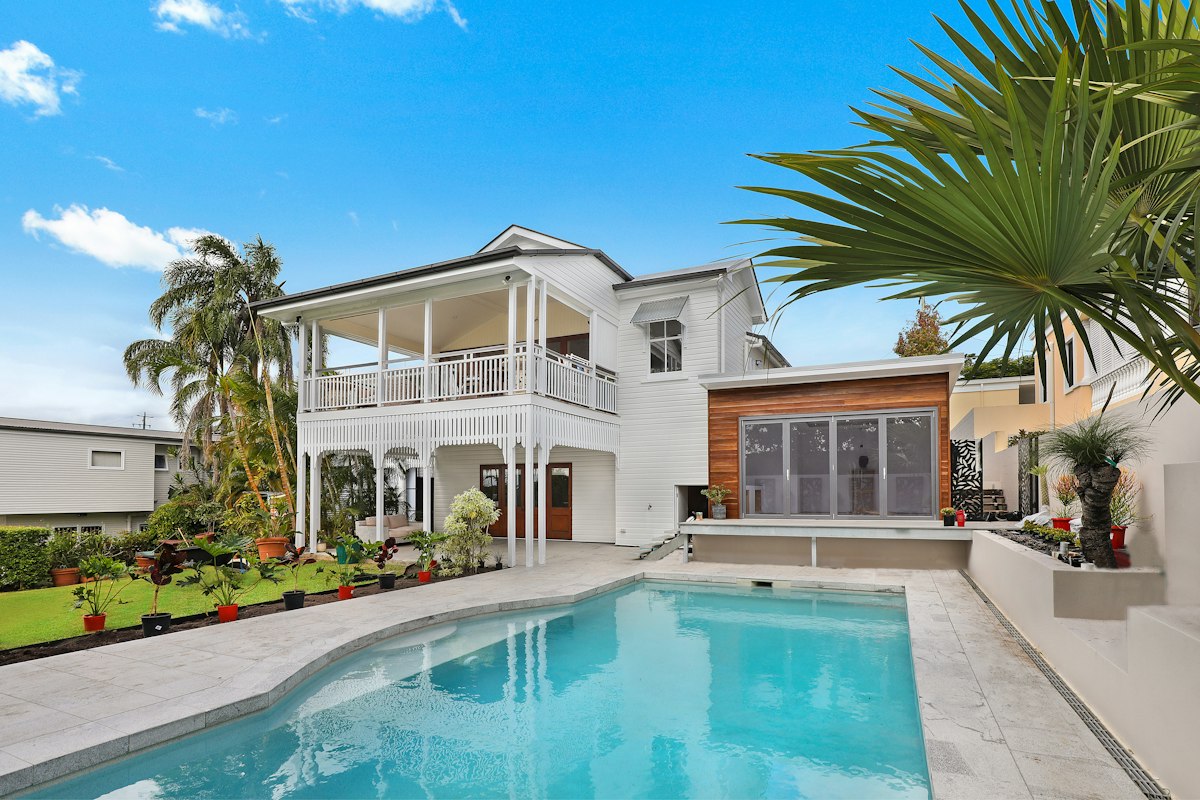
Erosion, Renourishment and What They Mean for Oceanfront Value

Erosion, Renourishment and What They Mean for Oceanfront Value
You walk out to the dune crossover on a Tuesday morning in Ponte Vedra Beach and stop at the top of the steps. The tide is high and the water is closer than you remember from the last visit.
North of you the beach runs wide and flat and pale, the sand so new it hasn't packed down yet. South of you, past a bend, there's a low scarp cut into the dune face where the last high water took a bite.
Same coastline, same week, two different stories about the same ocean. That's the thing nobody explains when you start looking at oceanfront and near ocean property here. The beach is not a fixed object you're buying next to. It's a system, and it moves.
Beaches in Ponte Vedra Beach, Jacksonville Beach and the rest of the Northeast Florida coast are dynamic, losing and gaining sand seasonally and shifting significantly during storms. Renourishment projects place sand back on the beach on a periodic cycle, and they affect coastal property in concrete ways: permitting, protection, assessments and resale. Understanding erosion and renourishment is part of understanding what oceanfront value actually rests on.
The Beach Is Supposed To Move
Start here, because the instinct is to treat any sand loss as damage. It usually isn't.
Sand travels along the shoreline, pushed by waves arriving at an angle. It moves offshore in the storm season and returns during calmer stretches. A beach that looks thin in the fall and generous in the summer is not failing. It's breathing.
What matters is the trend underneath the breathing. Some stretches of coast are in long term balance. Some are eroding persistently because of natural sediment patterns, inlet dynamics or structures that interrupt the flow of sand.
The other thing to understand is that a big storm does in hours what a normal year does gradually. A single significant event can take a dune line back, undercut walkovers, and expose structures that were comfortably set back the week before.
What Renourishment Actually Is
Renourishment means putting sand back. Typically it's dredged from an offshore borrow area or an inlet channel, pumped or trucked to the beach, and shaped into a designed profile with a berm and a dune.
Along the Northeast Florida coast, this work has been done periodically for decades through a mix of federal, state, county and municipal effort, with the Army Corps of Engineers involved in the larger authorized projects. Duval County's beach communities and portions of the St. Johns County coast have each seen sand placement on recurring cycles, plus emergency dune repair after major storms.
A few characteristics that affect you as an owner:
- They're cyclical, not permanent. A renourished beach is designed to erode. That's the point. The sand is sacrificial, and it gets replaced on a schedule.
- Timing depends on funding and permitting. Federal cost share, state appropriations and local matching all have to line up, and so do environmental permits and sea turtle nesting windows. Schedules slip.
- Construction is disruptive while it happens. Pipes on the beach, heavy equipment, closed sections, noise starting early. It's temporary and it is not pleasant.
- Easements are often required. Placing sand on or in front of private property generally requires the owner to grant an easement to the project. Owners who decline can find their frontage skipped.
- Some funding comes from assessments. Special assessment districts are one tool used to fund a local share of coastal projects. Whether one applies to a given property is a question to ask directly.
The Legal Lines You Need To Know
Coastal property in Florida has boundaries and regulatory lines that inland property doesn't.
The Coastal Construction Control Line
Florida establishes a control line along the coast, and construction seaward of it generally requires a state permit in addition to local approvals. That applies to houses, pools, decks, seawalls and sometimes landscaping and dune walkovers.
If you're buying oceanfront with plans to add a pool or rebuild, this is the first question, not the last. Find out where the line sits relative to the structure, and ask whether existing improvements were permitted properly, because unpermitted work seaward of the line becomes your problem when you take title.
The Erosion Control Line
When a beach restoration project is established, the state may set an erosion control line that fixes the boundary between private upland property and sovereign submerged land. Your property line stops being tied to a moving mean high water line and becomes fixed at the established line instead.
The practical effect for most owners is minimal and often favorable, since the alternative is a boundary that retreats as the beach does. But it's a real change in how your property is defined. If a property you're considering sits in a restoration area, ask your title professional and attorney to explain how it applies.
Armoring
Seawalls, revetments and other hard structures are heavily regulated and not freely available as a solution. Whether a given property can armor, and under what conditions, depends on permitting and on the condition of the shoreline. Do not assume that a neighbor's wall means you can build one.
Curious what your oceanfront or near ocean home is worth today?
Coastal value moves block by block, and the story for your stretch of Ponte Vedra Beach is not the story two miles away. Let's look at what's actually happening on your street.
Call or text Joey Larsen: 904-863-6679
or visit RetireMeToFlorida.com
How This Shows Up in Value
Oceanfront carries a premium. That part isn't in dispute and it's held up through a lot of market cycles. What's worth understanding is what moves the premium up and down within the oceanfront category.
Width of beach in front of the property. A wide, healthy beach is amenity and buffer at the same time. A narrow one at high tide reads differently to a buyer, even if the house is identical.
Dune condition and setback. How far the structure sits from the active beach, and how substantial the dune in front of it is, affects both risk and how a buyer feels standing on the deck.
Whether the property is in an active project area. Being inside a maintained renourishment program is generally a positive for durability, even accounting for assessments and construction disruption. Being on an unmaintained stretch means the shoreline's future is more dependent on nature and on funding that hasn't been committed.
Insurance and flood zone. Coastal properties sit in flood zones that carry different requirements and costs, and zone designations can be revised when maps update. Elevation matters, and an elevation certificate is worth having in hand. Get a real insurance quote early rather than estimating.
Maintenance reality. Salt air is relentless. Exterior finishes, windows, hardware, HVAC condensers and anything metal live shorter lives near the ocean. That's a budget problem more than a value problem, but buyers new to coastal property consistently underestimate it.
Near Ocean Is Its Own Category
Not everyone buying the coastal lifestyle needs to be on the sand, and the second and third rows from the ocean have a different risk and cost profile.
You give up the direct view and the private walkover. You get lower insurance exposure, more setback from the active beach, less salt punishment on the structure, and usually a meaningfully different price. In Jacksonville Beach, Neptune Beach and Atlantic Beach, the walkable blocks behind the oceanfront are a well established market of their own for exactly that reason.
The Intracoastal side is different again. Different flood considerations, maintenance around docks and bulkheads, no beach erosion question at all, and a separate set of permitting questions if there's a dock involved.
None of these is better. They're different trades, and the right one depends on how much of the coastal experience you want inside your property line versus a short walk away.
What To Ask Before You Buy Coastal
- Where is the Coastal Construction Control Line relative to this structure?
- Is this property within an established beach restoration or renourishment project area?
- Has an erosion control line been established here, and how does it affect the boundary?
- Is there a special assessment tied to coastal projects on this parcel?
- Has an easement for sand placement been granted, and does it run with the land?
- What is the flood zone, and is there an elevation certificate?
- What did this property look like after the last major storm?
- Are all improvements seaward of the control line permitted?
Most of these have documented answers available from county and state sources, from the association if there is one, and from the seller. The answers usually take days rather than weeks to assemble.
The Long View
People have been buying and holding property along this coast for generations, through storms, through erosion cycles, through changes in how the state manages the shoreline. The premium has persisted because what you're buying is scarce and genuinely wonderful.
That doesn't mean going in blind. It means budgeting for maintenance honestly, verifying the regulatory picture, and choosing a stretch of coast whose situation you actually understand.
Go stand on the sand in front of a property at high tide. Then go back at low tide. Then ask somebody who has watched that stretch for years what it looked like five winters ago. That's the research that matters, and it costs nothing but a morning.
Frequently Asked Questions
Does beach renourishment actually protect my house?
A renourished beach and dune act as a buffer, absorbing wave energy that would otherwise reach upland property. It's protection, not immunity, and the sand is designed to erode over time, which is why projects repeat on a cycle. Being in a maintained project area is generally viewed positively for coastal durability.
Do I have to pay for renourishment?
It depends on the project and the property. Coastal work is typically funded through a mix of federal, state and local sources, and some local shares are raised through special assessments on benefiting properties. Ask directly whether any assessment applies to the specific parcel you're considering and what the current amount is.
Is oceanfront in Ponte Vedra Beach a risky buy?
It's a different kind of asset than an inland home, with higher insurance and maintenance costs and exposure to a dynamic shoreline. It also carries a durable premium because of genuine scarcity. The way to manage it is verification: flood zone, elevation, permitting, project status and honest maintenance budgeting.
What's the difference between the control line and the erosion control line?
The Coastal Construction Control Line is a regulatory line that triggers state permitting for construction seaward of it. An erosion control line is a fixed property boundary established in connection with a beach restoration project, separating private upland from state owned land. They serve different purposes and can sit in different places. Have your attorney and title professional explain how each applies to your property.
Search Northeast Florida Homes
Browse current listings along the coast in Ponte Vedra Beach, Jacksonville Beach, Neptune Beach, Atlantic Beach and up to Amelia Island.
What To Do Right Now
If coastal property is on your list, start with the questions above on one or two specific addresses. The answers will tell you more about value than any listing photo will.
Call or text Joey Larsen at 904-863-6679, or visit RetireMeToFlorida.com to get started.
Categories
- All Blogs (762)
- Buyer Questions (10)
- Buyer Resources (14)
- Communities (8)
- Cost of Living (6)
- Insurance & Risk (1)
- Jacksonville / St. Johns County (3)
- Joey Studies The Market (1)
- Local Area Happenings (1)
- Local Favorites (170)
- Market Intelligence (169)
- Market Update (3)
- Nocatee (2)
- Northeast Florida Market (1)
- Our Communities (4)
- Questions Buyer Are Asking (25)
- Questions Sellers Are Asking (8)
- Real Estate Done Right (11)
- Relocation (1)
- Relocation Guides (160)
- Retirement Planning (4)
- Seller Resources (3)
- The Florida Life (176)
Recent Posts