Moving From Louisiana to Northeast Florida: What Feels Familiar and What Does Not
Will Northeast Florida Feel Like Home or Like a Foreign Country?
It's a Saturday in April and there's a pot going in the driveway. Somebody brought a table. The newspaper is down, the corn and potatoes are in, and the whole street smells like cayenne and boiling water. Somebody's uncle is arguing about seasoning with somebody's cousin and neither of them is going to win.
You've stood in that driveway your whole life. You know how to do this. You know who brings what and when to start the second batch.
Now picture the same afternoon and you've moved. The heat feels the same on your arms. The air is just as thick. But the driveway is in St. Johns County and half the people coming over are from Ohio and New Jersey and they've never boiled anything in their lives.
That's the actual question with this move. Not whether you can handle Florida. You can handle Florida in your sleep. It's whether you can rebuild the thing that made home feel like home.
Moving from Louisiana to Northeast Florida keeps the climate, the water and the storm awareness roughly familiar, and changes the tax picture, the housing stock and the food culture. Florida has no state income tax, homes in St. Johns County and Nassau County tend to be newer and built to current coastal standards, and the Atlantic coast sits at a different elevation and a different exposure than most of south Louisiana. What you'll work hardest to replace is the culture.
What Feels Immediately Familiar
Start with the good news, because there's a lot of it.
The heat and humidity will not surprise you. A July afternoon in Jacksonville is a July afternoon you've already lived a thousand times. You already own the right clothes and you already know not to schedule anything outdoors at two in the afternoon.
The water culture translates. Louisiana runs on bayous, lakes, the river and the Gulf. Northeast Florida runs on the St. Johns River, the Intracoastal Waterway, the marshes around Amelia Island and the Atlantic. Different bodies of water, same habits. Boats, fishing, docks, a cooler in the back of somebody's truck.
The marsh will look familiar. The grass flats near Fernandina Beach and along the Intracoastal have a color and a smell that anybody from south Louisiana will recognize instantly, even though the ecosystem isn't identical.
And the storm awareness translates completely. You already know what a cone looks like. You already know the difference between a forecast and a track. You already have a plan and a list and a generator opinion. That's not a small thing, because a lot of newcomers to this coast arrive with none of it.
The Tax Change Is Straightforward
Louisiana has a state income tax. Florida does not. If you're drawing retirement income, taking a pension or still working, that's a real, recurring difference and it's the cleanest financial argument for the move.
The place to be careful is insurance, and you of all people will understand why. Louisiana homeowners have lived through a hard insurance market, and you know what it feels like when coverage gets difficult and expensive. Florida's coastal insurance market has its own pressures. The good news is that you won't be shocked by the conversation the way someone from Ohio might be. The important news is that it varies enormously by construction type, roof age, elevation and distance from water, so you price the actual address rather than the state.
The other line item to understand is the CDD assessment that many Northeast Florida communities carry on top of property taxes and HOA dues. It funds the roads, the amenities and the infrastructure in places like Nocatee, Shearwater, Silverleaf and Tributary. It's disclosed and it's normal, but it changes your monthly number and it varies home to home.
What Does Your Louisiana Home Translate To Over Here?
Between the sale on your side and the purchase on this one, there's a real number worth knowing early. That conversation is free and it changes how you plan everything else.
Call or text Joey Larsen: 904-863-6679
or visit RetireMeToFlorida.com
Two Storm Risks That Are Not the Same Storm Risk
This is where the comparison gets useful.
Much of south Louisiana sits at or below sea level and depends on levees, pumps and drainage systems to stay dry. Water is a structural, engineered problem there. Rain alone can flood you without a hurricane anywhere in the picture.
Northeast Florida is a different geography. The land sits higher in most places, though not everywhere, and the flood risk is far more property-specific than region-wide. Two homes a mile apart can be in completely different flood zones. Low-lying areas near the marsh, the creeks and the Intracoastal behave differently from a lot in the middle of St. Johns County.
On hurricanes: Northeast Florida's position on the Atlantic side, tucked where the coastline turns, has historically meant less frequent direct impact than the Gulf coast or South Florida. That's a statement about history and probability, not a guarantee, and anyone who tells you this coast is safe is overselling it. But many people from Louisiana describe a real drop in the background hum of storm anxiety after moving here.
What you should do, specifically: look at the elevation and flood zone of every property you consider, understand the difference between what a flood policy covers and what a wind policy covers, and pay attention to roof age and construction standards. The newer homes in communities like RiverTown, Silverleaf and Tributary were built to current codes, which matters.
The Housing Stock Is Younger and Plainer
Louisiana has architecture. Shotgun houses, raised cottages on piers, Acadian roofs, deep porches, the whole visual grammar of a place that has been building for a very long time in a very specific climate.
Northeast Florida has some of that, particularly in the historic districts of Fernandina Beach and St. Augustine, and in the older beach neighborhoods of Atlantic Beach and Neptune Beach. If character is what you want, those are where to look, and they're worth looking at.
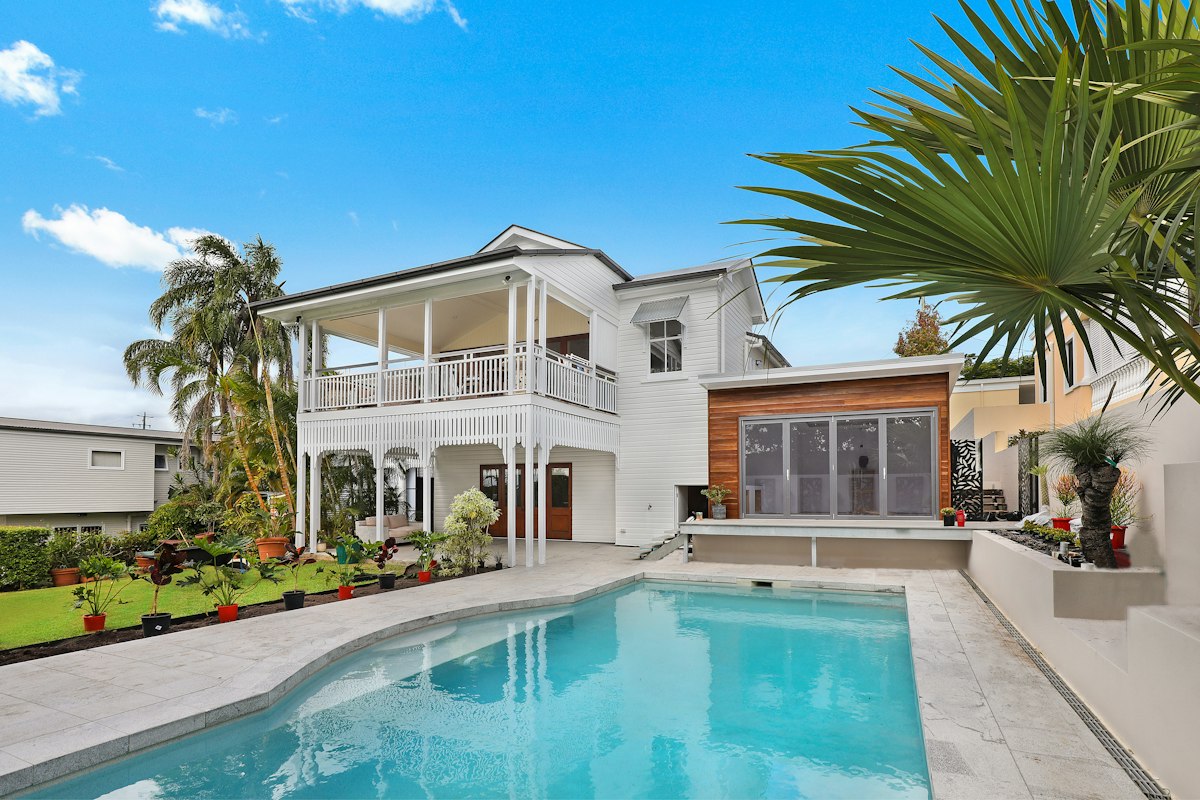
But the bulk of what's selling out here is newer construction. Concrete block or frame, slab on grade, tile or hard-surface flooring throughout, a screened lanai, an open plan. Efficient, low-maintenance, built to current standards, and not especially romantic.
That's a real trade. You're giving up ceiling height and craftsmanship and getting a house that doesn't fight you. Many people who spent thirty years maintaining an old Louisiana home find that trade extremely welcome. Others miss the character badly and end up in Fernandina Beach or Atlantic Beach for exactly that reason.
The Food and the Culture Gap
Let's be honest about this instead of pretending.
Louisiana food culture is not replicable. There is no version of Northeast Florida that gives you what Acadiana or New Orleans gives you. The restaurants here are good and getting better, and there's a real seafood tradition with Mayport shrimp at the center of it, plus the Minorcan influence around St. Augustine that produces things you've never had. But it isn't the same and it won't be.
What you'll find is that you become the person who knows how. Louisiana transplants routinely end up hosting the boil, teaching the neighbors, becoming the reason a street has a tradition. That's not a consolation prize. It's a good role to have in a community where a lot of people just arrived.
Small thing that trips people up: they're counties here, not parishes. St. Johns County, Nassau County, Duval County. You'll say parish for about a year.
Selling There, Buying Here
Louisiana sellers face a particular set of realities and they're worth naming early.
Insurance conditions in your market can affect buyer financing and buyer confidence, which affects your timeline. Older homes carry deferred maintenance that shows up in inspection. Elevation certificates and flood history are part of the conversation in ways they aren't in many states. None of this is fatal, but it means an older Louisiana home generally rewards a longer runway than a newer home in a hot market would.
If you're two to five years out, use the time. Get a realistic value opinion. Understand what your house needs before it lists. Get your documentation in order.
On the buying side, the distance is manageable. It's a long drive but it's a drive, which means you can come scout in person, more than once, in more than one season. Come in August. Come in February. Go stand on the beach at Ponte Vedra Beach and then go stand in a cul-de-sac in Durbin Crossing and see which one you keep thinking about.
A lot of people sell first and rent here for several months. That removes the financial pressure and gives you time to learn the difference between living east of the Intracoastal and west of it, which is a real difference and not one you can feel from a listing photo.
Frequently Asked Questions
Is Northeast Florida safer from hurricanes than Louisiana?
Historically this stretch of the Atlantic coast has seen less frequent direct impact than the Gulf coast, but it is still a coast and it still gets storms. The more useful comparison is flood exposure: much of south Louisiana depends on levees and pumps, while flood risk here is far more property-specific. Check the flood zone and elevation of any individual home rather than relying on a regional impression.
Will my homeowners insurance be easier here?
It depends entirely on the property. Newer construction with a newer roof in a lower-risk zone prices very differently than an older home close to the water. Coming from Louisiana you already understand how much construction details matter to a policy, so apply that same scrutiny here and get a real quote before you commit.
Where should I look if I want character instead of new construction?
Fernandina Beach and Amelia Island, the historic areas around St. Augustine, and the older beach neighborhoods in Atlantic Beach and Neptune Beach all have genuine age and architecture. You'll pay for it and the maintenance conversation is closer to what you're leaving, but the character is real.
Search Northeast Florida Homes
Browse what's available right now in Nocatee, RiverTown, Tributary, Fernandina Beach and along the Intracoastal, and see how the market here compares to what you know.
What To Do Right Now
You already know how to live in this climate, which puts you ahead of most people making this move. What's left is getting honest numbers on both ends and finding the neighborhood where your driveway makes sense.
Call or text Joey Larsen at 904-863-6679, or visit RetireMeToFlorida.com to get started.
Categories
- All Blogs (762)
- Buyer Questions (10)
- Buyer Resources (14)
- Communities (8)
- Cost of Living (6)
- Insurance & Risk (1)
- Jacksonville / St. Johns County (3)
- Joey Studies The Market (1)
- Local Area Happenings (1)
- Local Favorites (170)
- Market Intelligence (169)
- Market Update (3)
- Nocatee (2)
- Northeast Florida Market (1)
- Our Communities (4)
- Questions Buyer Are Asking (25)
- Questions Sellers Are Asking (8)
- Real Estate Done Right (11)
- Relocation (1)
- Relocation Guides (160)
- Retirement Planning (4)
- Seller Resources (3)
- The Florida Life (176)
Recent Posts