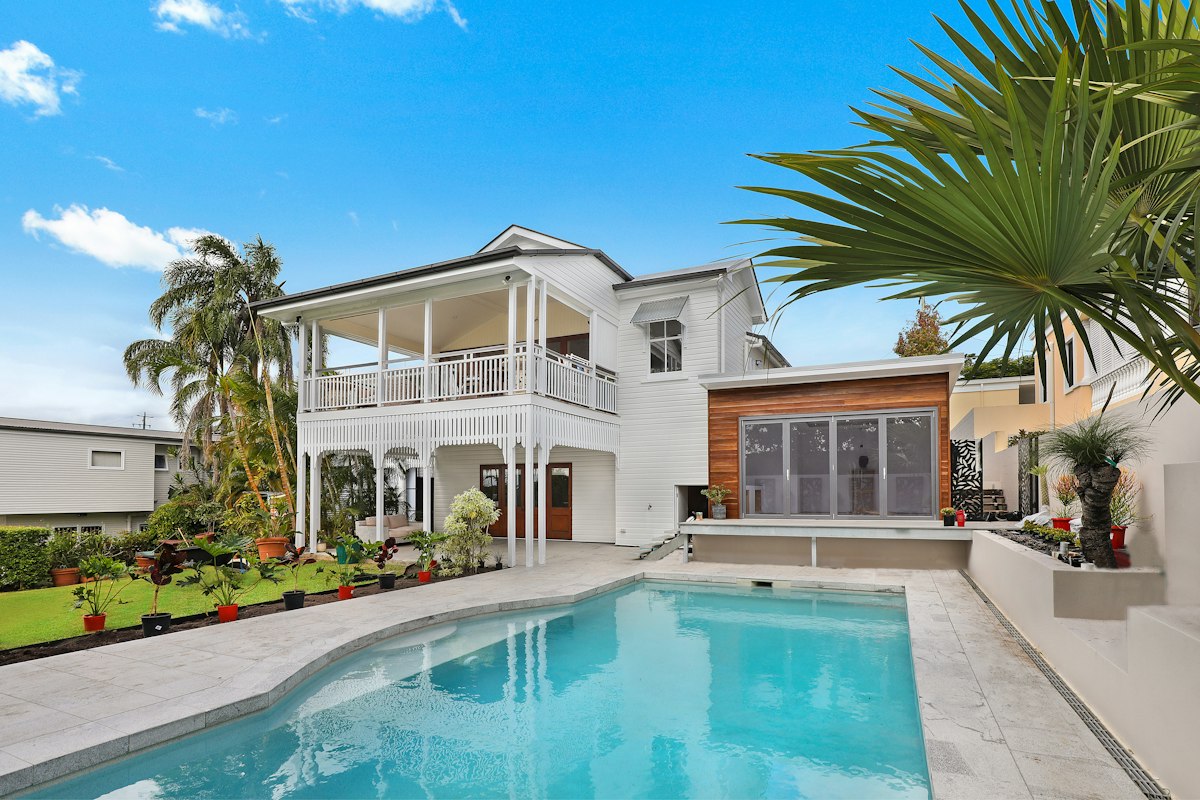
Can You Rent It Out? Leasing Rules in Northeast Florida Communities

Can You Rent It Out? Leasing Rules in Northeast Florida Communities
The plan sounded clean when you described it to your brother over Thanksgiving. Buy the place now while you're still working. Come down a few times a year. Rent it the rest of the time so it isn't just sitting there. Move in for good later.
Everybody nods. It's a good plan, and it's the most common plan there is among people buying in Northeast Florida before they're ready to live here.
Then you're under contract on a condo near Jacksonville Beach and a stack of association documents lands in your inbox, and somewhere deep in it there's a sentence about minimum lease terms that makes the whole plan impossible.
Not difficult. Not expensive. Not allowed.
Whether you can rent a Northeast Florida home, and for how long, is usually decided by the community's governing documents rather than by state or local law. HOA and condo associations commonly set minimum lease terms, cap the number of rentals, require approval, and impose waiting periods after purchase. On top of that, city and county ordinances govern short term rentals differently in Jacksonville Beach, Neptune Beach, Atlantic Beach and Fernandina Beach, so confirm both layers before you buy.
Four Layers, Any One of Which Can Stop You
People think of this as one question. It's four, and they stack.
The first is the community's recorded governing documents: the declaration, the bylaws, and any amendments and rules adopted since. This is where most restrictions actually live and it's the layer people skip.
The second is local government. City and county ordinances address short term rentals through zoning, registration, licensing, parking, occupancy and noise rules. These vary meaningfully between the beach towns and between Duval, St. Johns and Nassau counties.
The third is state level. Florida requires licensing for properties operating as vacation rentals, and short stays are taxed like lodging with state and county components. There are also limits on how far local governments can go in regulating rental duration and frequency, with older ordinances grandfathered, which is exactly why the rules differ so much town to town.
The fourth is your lender and your insurer. Occupancy type affects loan terms, and a standard homeowners policy is written for how you said you'd use the property. Renting a home you financed as a primary residence, or running short stays on a policy that doesn't contemplate them, creates problems you don't want to find after a claim.
What Association Documents Actually Restrict
Read for these specifically. They show up in different sections and under different names.
- Minimum lease term. The most common and most consequential. Thirty days, ninety days, six months, one year. This single line determines whether nightly or weekly rental is even conceivable.
- Maximum leases per year. Some communities allow leasing but limit how many separate tenancies a unit can have annually, which effectively rules out short stays.
- Rental caps. A ceiling on how many units in the community can be leased at one time, often with a waiting list. You may own a home you're technically allowed to rent and still not be able to rent it this year.
- Waiting period after purchase. A requirement that you own for a period of time before leasing at all. This one blindsides investors regularly.
- Approval and application. Tenant applications, background screening, association approval of the lease, and fees associated with the process. Florida law limits certain association charges, and the permitted amounts change over time, so ask for the current figures rather than assuming.
- Right of first refusal. More common in older condominium buildings, and it applies to sales more than leases, but worth knowing it exists.
- Guest and occupancy rules. Sometimes a community with no formal rental restriction achieves the same result through rules about who can use amenities, how many vehicles a household can register, and how long a guest may stay.
The Amendment Question
Here's the part that separates a careful buyer from a hopeful one. Documents change.
An association that allows leasing today can vote to restrict it tomorrow. This happens most often where owner occupants feel the rental share has gotten too high, and it happens in both condos and single family HOAs.
Florida law does offer some protection. Broadly speaking, when a community adopts an amendment that prohibits or newly regulates leasing, statutory provisions protect owners who already owned before the change unless they consent to it. The details differ between condominium law and homeowners association law, and they've been revised over the years.
Two practical takeaways. If rental income is central to your plan, find out whether an amendment is being discussed by reading recent meeting minutes, not just the current documents. And understand that a protection applying to you may not transfer to whoever buys the home from you, which affects your future buyer pool. Confirm the specifics with an attorney before you rely on any of it.
Need to know if a specific community allows what you're planning?
The answer is in the documents, the recent minutes and the city ordinance. It's worth checking all three before you're under contract.
Call or text Joey Larsen: 904-863-6679
or visit RetireMeToFlorida.com
How This Plays Out Across Northeast Florida
The pattern is not uniform, and generalizing will get you in trouble. But there are tendencies worth knowing as you search.
Master planned communities in St. Johns County tend to be written with owner occupancy in mind. Nocatee, Shearwater, Silverleaf, RiverTown and Julington Creek each have their own governing documents and neighborhood level variations within them, and it is common to find minimum lease terms that make short term rental a nonstarter. Long term leasing is more often permitted, sometimes with approval requirements or a waiting period.
The beach towns are their own conversation. Jacksonville Beach, Neptune Beach and Atlantic Beach each regulate short term rental through their own municipal codes, with different zoning treatments and registration requirements. Two properties a few blocks apart can sit under different rules. Nassau County and Fernandina Beach handle Amelia Island's vacation rental market with their own framework as well.
Condominium buildings vary the most. Some oceanfront and Intracoastal buildings were designed around short stays and have rental programs built in. Others in the same corridor permit nothing under a long minimum term. The building matters more than the neighborhood.
Ponte Vedra Beach spans several governing structures, from oceanfront associations to golf communities to unincorporated pockets with no association at all. There is no single answer for the area, only an answer for the address.
Why This Affects Value, Even If You Never Rent
Leasing rules move price in both directions, and the effect is real whether or not you personally care about renting.
Permissive rules widen your buyer pool. Second home buyers, seasonal owners and investors can all consider the property. In beach markets, a documented ability to rent short term is a meaningful part of what buyers are paying for.
Restrictive rules narrow the pool but often stabilize the community. Owner occupied neighborhoods tend to have quieter streets and more predictable amenity use. Plenty of buyers pay a premium for exactly that, and plenty of boards restrict leasing specifically to protect it.
There's also a financing angle. Lenders look at owner occupancy ratios and investor concentration in condominium projects when deciding whether a building is eligible for certain loan products. A building with a high rental share can become harder to finance, which shrinks the buyer pool and shows up in resale value. That's a quiet risk most buyers never evaluate.
The Due Diligence That Actually Answers the Question
- Get the complete recorded documents. Declaration, bylaws, articles, all amendments, and the current rules and regulations. Not a summary. Not the sales brochure.
- Read the last year of meeting minutes. This is where you see what the board is thinking about before it becomes an amendment.
- Ask the management company directly, in writing. What is the minimum lease term, is there a cap, is there a waiting list, is there a waiting period after purchase, what does approval involve.
- Check the city or county code for the specific address. Short term rental rules follow the jurisdiction and sometimes the zoning district, so verify the property rather than the town.
- Talk to your lender about occupancy. Before you apply, not after.
- Get an insurance quote for the actual use. A property you'll rent needs a policy written for that, and the quote may differ from what you assumed.
- Ask a CPA about the tax side. State and county lodging taxes apply to short stays, and rental income has its own reporting. Get the treatment right from the start.
If You're Selling
Know your own community's rules and be able to state them accurately. Buyers ask, and a vague or wrong answer either kills the deal later or creates a problem you don't want.
If your community permits leasing on favorable terms, that is a selling point worth putting in front of the right buyer. If it doesn't, say so plainly and early, so you're attracting people who want what your neighborhood actually offers.
Frequently Asked Questions
Can I do short term rentals in Nocatee or Shearwater?
Generally the master planned communities in St. Johns County are written around owner occupancy, and minimum lease terms often make nightly or weekly rental impossible. Rules differ by neighborhood within a community and can change by amendment, so get the current recorded documents for the specific address rather than relying on what someone told you about the community overall.
Who decides the rules, the city or the HOA?
Both, and the stricter one governs your actual use. A city may permit short term rental in a zoning district while your association prohibits it, in which case you can't do it. Check both layers, plus your lender and insurer, before you plan around rental income.
Can an association change the rules after I buy?
Associations can amend their documents, and leasing restrictions do get added. Florida law provides certain protections for owners who owned before a restrictive amendment takes effect, with differences between condominium and homeowners association law. Those protections may not follow the property to your buyer, so confirm the specifics with an attorney.
Do I need a license to rent my Florida property short term?
Properties operating as vacation rentals generally require state licensing, and short stays are subject to state and county lodging taxes. Local registration may also be required depending on the jurisdiction. Requirements change, so verify current rules with the state and with the city or county where the property sits.
Search Northeast Florida Homes
Browse active listings across Ponte Vedra Beach, Jacksonville Beach, Atlantic Beach, Fernandina Beach and the St. Johns County communities inland.
What To Do Right Now
If renting is part of your plan, sort out the rules before you fall for a floor plan. Knowing which communities allow what you want turns a frustrating search into a short list.
Call or text Joey Larsen at 904-863-6679, or visit RetireMeToFlorida.com to get started.
Categories
- All Blogs (762)
- Buyer Questions (10)
- Buyer Resources (14)
- Communities (8)
- Cost of Living (6)
- Insurance & Risk (1)
- Jacksonville / St. Johns County (3)
- Joey Studies The Market (1)
- Local Area Happenings (1)
- Local Favorites (170)
- Market Intelligence (169)
- Market Update (3)
- Nocatee (2)
- Northeast Florida Market (1)
- Our Communities (4)
- Questions Buyer Are Asking (25)
- Questions Sellers Are Asking (8)
- Real Estate Done Right (11)
- Relocation (1)
- Relocation Guides (160)
- Retirement Planning (4)
- Seller Resources (3)
- The Florida Life (176)
Recent Posts