Hunting Shark Teeth on Ponte Vedra Beach: Where to Look, When to Go and What You Will Find

Why Is Everyone at Mickler's Landing Staring at the Sand?
It is a Saturday morning in late November and the tide is going out at Mickler's Landing. The air is cool enough for a light jacket, the sky is that hard, clean blue you only get after a front moves through, and the beach south of the walkover is dotted with people walking very slowly, heads down, hands behind their backs. Every so often one of them bends, picks something out of the shell line and holds it up to the light. Then they tuck it in a pocket and keep going. Nobody is in a hurry. Nobody is looking at the ocean. They are hunting shark teeth, and once you find your first one, you will understand why.
Ponte Vedra Beach is one of the better-known shark tooth beaches in Northeast Florida, and Mickler's Landing Beachfront Park at 1109 Ponte Vedra Boulevard is the easiest place to start. Walk the waterline and the shell beds at low tide, go a day or two after a storm or a nor'easter if you can, and look for small, glossy, dark triangles in the shell hash. Most of what you find will be gray, black or brown.
What Makes Ponte Vedra Beach a Shark Tooth Beach
Plenty of Florida beaches have shells. Fewer have shark teeth you can find on an ordinary walk, and the stretch of coast from Ponte Vedra Beach down through Vilano and St. Augustine is one of them. St. Johns County's own tourism office lists Ponte Vedra Beach and St. Augustine Beach among its best beaches for shark tooth hunting and calls Mickler's a spot for both fossilized and modern teeth.
The teeth you pick up here are mostly old. That is why they are not white. A fresh shark tooth is white and sharp. The ones that wash up on Ponte Vedra Beach have spent a long time buried in sediment, where minerals slowly replaced the original material, and they come out gray, black, brown and sometimes a dark reddish tone. Local hunters describe the giveaway as a glossy patina, a slick shine that sets a tooth apart from a dull shell fragment of the same color.
You do not need the geology to enjoy it. The ocean sorts shell and teeth by size and weight along the waterline, which is exactly where you want to walk.
Where to Look at Mickler's Landing
Mickler's Landing Beachfront Park sits at 1109 Ponte Vedra Boulevard, at the south end of Ponte Vedra Beach where the oceanfront homes thin out. The county lists it as open dawn to dusk, with a parking lot, an accessible dune walkover, restrooms, showers, a pavilion and picnic tables. The lot is off the beach, so you park and walk over the dune rather than driving on the sand. The county rebuilt the dunes and reinforced the seawall here in 2019 and renourished the beach in 2022, and it has closed the lot now and then for restoration work since, so it is worth a quick look at the county's park page before you make the drive.
Once you are over the walkover, turn either direction and head for the wet sand. Two zones produce most of the finds:
- The waterline. Stand where the water just covers your feet and watch each wave pull back. Moving water flips small objects and the teeth flash for a second before the next wave covers them. Local hunters say this is where the "easy" teeth are, and also where they disappear fastest, so you have to be quick.
- The shell beds. Where the beach piles up a thick line of broken shell, kneel down and work through it by hand. Scoop a handful at the edge of the water, let the fine sand run out, and sort what is left. It is slower, and it is how people fill a jar.
One more rule from experienced hunters: when you find a tooth, stay put. Teeth collect in pockets.
When to Go
You can find teeth at Mickler's any day of the year, but a few conditions tilt the odds in your favor.
Low tide. This is the most common advice from people who hunt the beach regularly, and it makes sense. Low tide uncovers more ground, the water is calmer and clearer near the edge, and the receding waves leave the freshly sorted shell line exposed. Pull up a tide chart for Ponte Vedra Beach and plan to arrive an hour or so before the low.
After a storm. The county tourism office and local hunters agree that the days after rough weather are the best days. Big surf churns up the bottom and moves buried material onto the beach. A fall or winter nor'easter, the kind that blows for two or three days and then clears into a bright cold morning, is the classic setup. That is one reason the cooler months are considered prime season at Mickler's, and why late November is a good time to start.
Early on a clear day. Low sun helps you see the shine, and arriving early solves the parking question on busy weekends.
Picturing Yourself a Walk From the Beach in Ponte Vedra?
Joey Larsen lives in Ponte Vedra Beach and can show you which streets and neighborhoods put Mickler's, the Guana trails and the ocean within an easy morning walk or bike ride.
Call or text Joey Larsen: 904-863-6679
or visit RetireMeToFlorida.com
How to Tell a Shark Tooth From a Shell
Your first ten minutes will be full of false alarms. A few checks that locals use:
- Shape and shine. Look for a triangle with a glossy surface. Shell fragments tend to be dull or chalky; teeth have a slick, almost polished look even when they are small.
- The root. A real tooth has a distinct root at the wide end, often a slightly different color from the blade, with a line where the enamel meets it.
- Edges. Many teeth keep fine serrations along the edges. Run a fingernail along it.
- Toughness. Fossil teeth are hard. Local hunters use a simple test: a tooth will not snap in half under light pressure the way a thin shell will.
Most of what you will find is small, a quarter inch to an inch, and that is normal. Hunters on this coast report teeth from bull sharks, tiger sharks, lemon sharks, makos and sand tigers, and once in a long while a piece of something much bigger. If you want help identifying a find, there is a local Facebook group devoted to teeth from Mickler's where people post photos and compare notes.
Other Beaches That Produce
Mickler's is the famous one, but on a crowded weekend you may do better a few miles away.
Guana. The beach accesses along the Guana Reserve, just south of Mickler's on A1A, put you on long, quiet stretches of the same coast. You can read more in our guide to the Guana Reserve.
Vilano Beach. The county's tourism office names Vilano, north of the St. Augustine inlet, as another productive spot, and the coarse, shelly sand there is good hunting ground.
Amelia Island. Fernandina Beach and the rest of Amelia Island show up on local hunters' lists too, and they are the subject of our post on shelling and beachcombing on Amelia Island.
One honest note from people who do this a lot: Jacksonville Beach is not known for teeth. Drive south.
Why This Matters If You Are Thinking About Moving Here
Shark teeth are a small thing. That is the point. The people walking Mickler's on a November morning are mostly locals with a routine: coffee, a walk at low tide, a few teeth in a pocket, home by ten. It is the kind of ordinary, outdoors, no-cost habit that fills a retirement here, every week of the year.
If you are picturing life in Ponte Vedra Beach, imagine the walkover at Mickler's being your beach, not a destination, and knowing which way the wind has to blow for the teeth to show up. Our post on Mickler's Landing as a beach access covers the park and the neighborhoods around it.
Frequently Asked Questions
Where is the best place to find shark teeth in Ponte Vedra Beach?
Mickler's Landing Beachfront Park at 1109 Ponte Vedra Boulevard is the best-known spot. Walk the waterline and the shell beds on either side of the walkover, and work the beach at low tide for the most exposed ground.
What time of year is best for shark teeth at Mickler's Landing?
Teeth turn up all year, but the days after a storm or a nor'easter are the most productive, which makes fall and winter a strong season. Pair that with a morning low tide and you have the best odds.
What color are the shark teeth on Ponte Vedra Beach?
Most are gray, black or brown, and some have a reddish tone. They are fossilized, which is why they are dark rather than white, and they have a glossy shine that helps you spot them in the shell line.
Is there parking at Mickler's Landing?
Yes. St. Johns County lists a parking lot, restrooms, showers, a pavilion and an accessible dune walkover, with hours from dawn to dusk. The lot fills on busy warm-weather weekends, and the county has closed it at times for beach restoration work, so check the county park page before you go.
Can I find shark teeth at Jacksonville Beach?
Local hunters report very little luck there. The beaches that produce in Northeast Florida are Ponte Vedra Beach, Guana, Vilano Beach and Amelia Island.
Search Homes Near Ponte Vedra Beach
Browse homes within a walk or a short bike ride of Mickler's Landing and the rest of Ponte Vedra Beach, from oceanfront to the neighborhoods west of A1A.
What To Do Right Now
If you are visiting Ponte Vedra Beach this winter, or already live here and have never tried it, this is an easy habit to start.
- Check the tide chart for Ponte Vedra Beach and pick a morning low tide in the next week.
- Look at the St. Johns County page for Mickler's Landing to confirm the lot is open, then arrive early.
- Walk the wet sand and the shell beds slowly, and stay in any spot where you find your first tooth.
- If you are using the visit to scout neighborhoods, drive Ponte Vedra Boulevard north from Mickler's afterward and note which streets feel right.
- Call or text Joey Larsen at 904-863-6679 to talk through what a home near the beach in Ponte Vedra costs today and how the search works from out of state.
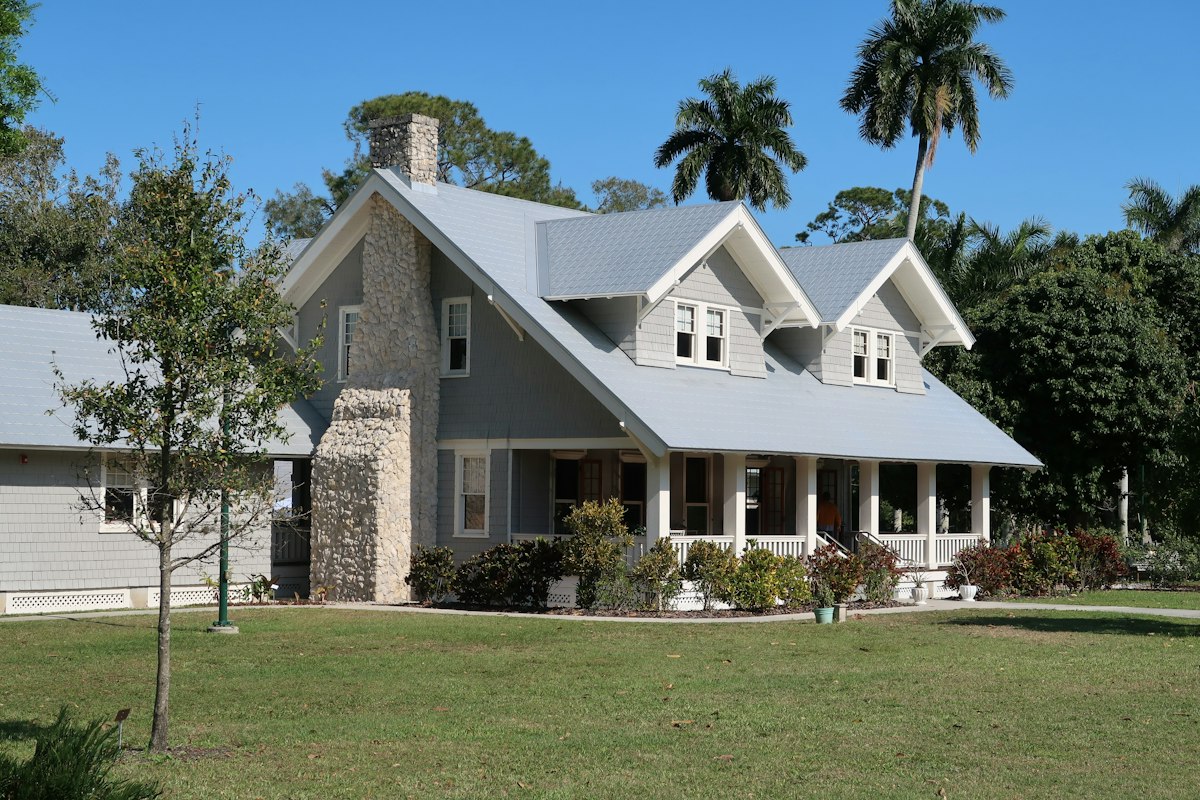
Cover photo: FL Ponte Vedra Beach Arthur Milam House07 by Ebyabe, CC BY-SA 4.0, via Wikimedia Commons.
Categories
- All Blogs (1032)
- Buyer Questions (10)
- Buyer Resources (14)
- Communities (8)
- Cost of Living (6)
- Insurance & Risk (1)
- Jacksonville / St. Johns County (3)
- Joey Studies The Market (1)
- Local Area Happenings (1)
- Local Favorites (236)
- Market Intelligence (236)
- Market Update (3)
- Nocatee (2)
- Northeast Florida Market (1)
- Our Communities (4)
- Questions Buyer Are Asking (23)
- Questions Sellers Are Asking (35)
- Real Estate Done Right (10)
- Relocation (1)
- Relocation Guides (225)
- Retirement Planning (4)
- Seller Resources (3)
- The Florida Life (225)
Recent Posts