
Oyster Roast Season: Winter's Backyard Tradition on the First Coast
Have you been to a Florida oyster roast yet?
It is a Saturday in late November, 62 degrees and clear, and there is a sheet of steel propped on cinder blocks over a wood fire in a backyard off the Intracoastal in Palm Valley. Somebody dumps a bushel of oysters onto the hot metal, throws a wet burlap sack over them, and the steam rolls up into the oaks. Twenty minutes later there are a dozen people standing around a plywood table with oyster knives and hot sauce, shucking and talking and not going anywhere for a while. Nobody is wearing a coat. Nobody is in a hurry. This is winter on the First Coast.
The oyster roast is Northeast Florida's version of a winter backyard tradition, borrowed from the Lowcountry coast to the north and made local. From late fall through early spring, when oysters are in season and the weather is cool, residents in Ponte Vedra Beach, Palm Valley, Fernandina Beach, St. Augustine and the marsh-side neighborhoods gather around a fire, steam oysters by the bushel and spend an afternoon outside. It is the kind of gathering that turns a new address into a community.
Where the tradition comes from
Drive north from Amelia Island into coastal Georgia and the Carolinas and the oyster roast is a cultural institution, a cold-weather ritual going back generations. Northeast Florida sits at the southern end of that same marsh-and-tidal-creek coastline, and the tradition came down A1A with it.
The setup is almost always the same. A fire, a sheet of steel or a big grate over it, oysters by the bushel, wet burlap or towels to hold the steam, and a table with a hole cut in the middle and a trash can underneath for the shells. Add saltines, cocktail sauce, hot sauce, melted butter, and a cooler of beer, and you have the whole party.
Why it is a winter thing
Oysters are traditionally a cool-season food. The old rule about eating them only in months with an R in the name has roots in both food safety and flavor, and while modern harvesting has changed some of that, the cultural habit remains. Local oyster season lines up perfectly with the stretch of Northeast Florida weather that is made for standing around a fire outside: November through about March.
That timing is what makes the oyster roast feel so specific to this place. It happens on the same weekends northerners are scraping ice off their cars, and it happens outdoors because the weather allows it.
Where the oysters come from
Many of the oysters served at Northeast Florida roasts come from Gulf and Atlantic coast harvesters and from the growing network of Florida oyster farms, which raise oysters in cages in clean coastal water and have become a serious part of the state's seafood scene. Local seafood markets in Mayport, Fernandina Beach and St. Augustine sell them by the bushel in season, and most will tell you which ones are running good that week.
Ask. Half the pleasure of the tradition is the conversation at the counter about where this bushel came from and whether they are salty or sweet right now.
Want a backyard built for this?
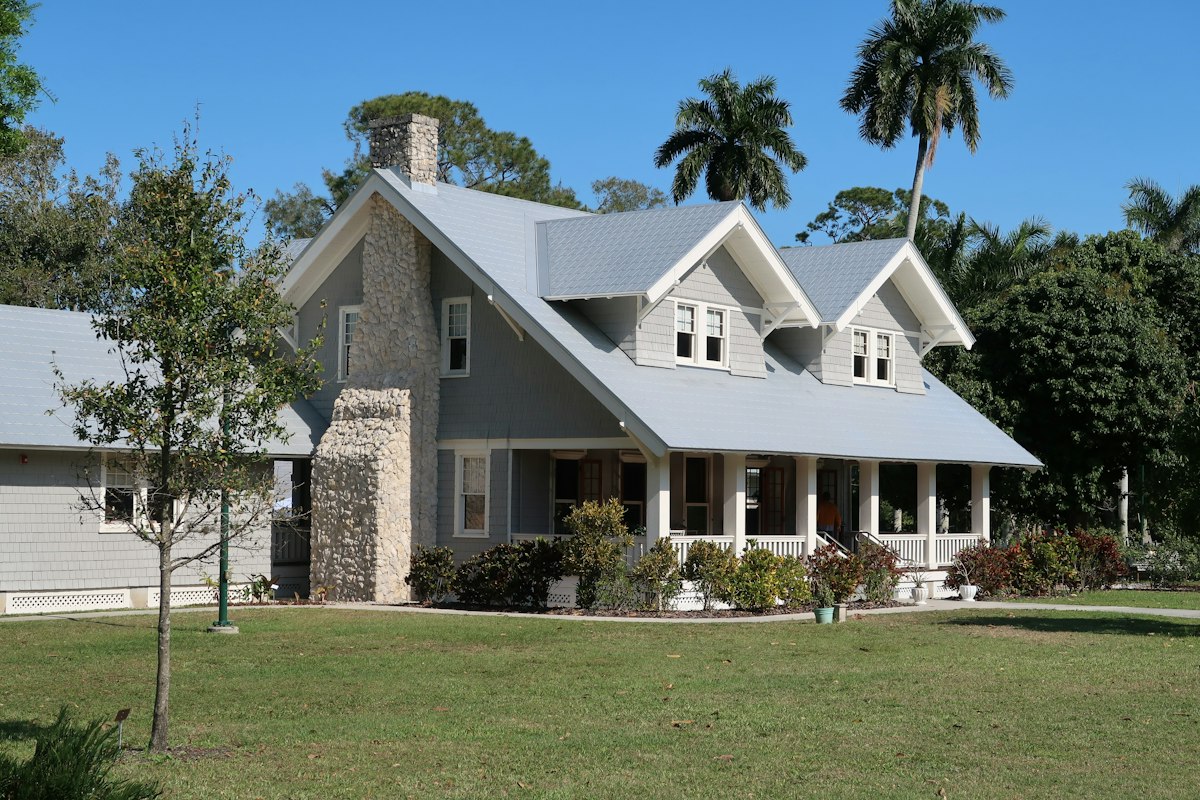
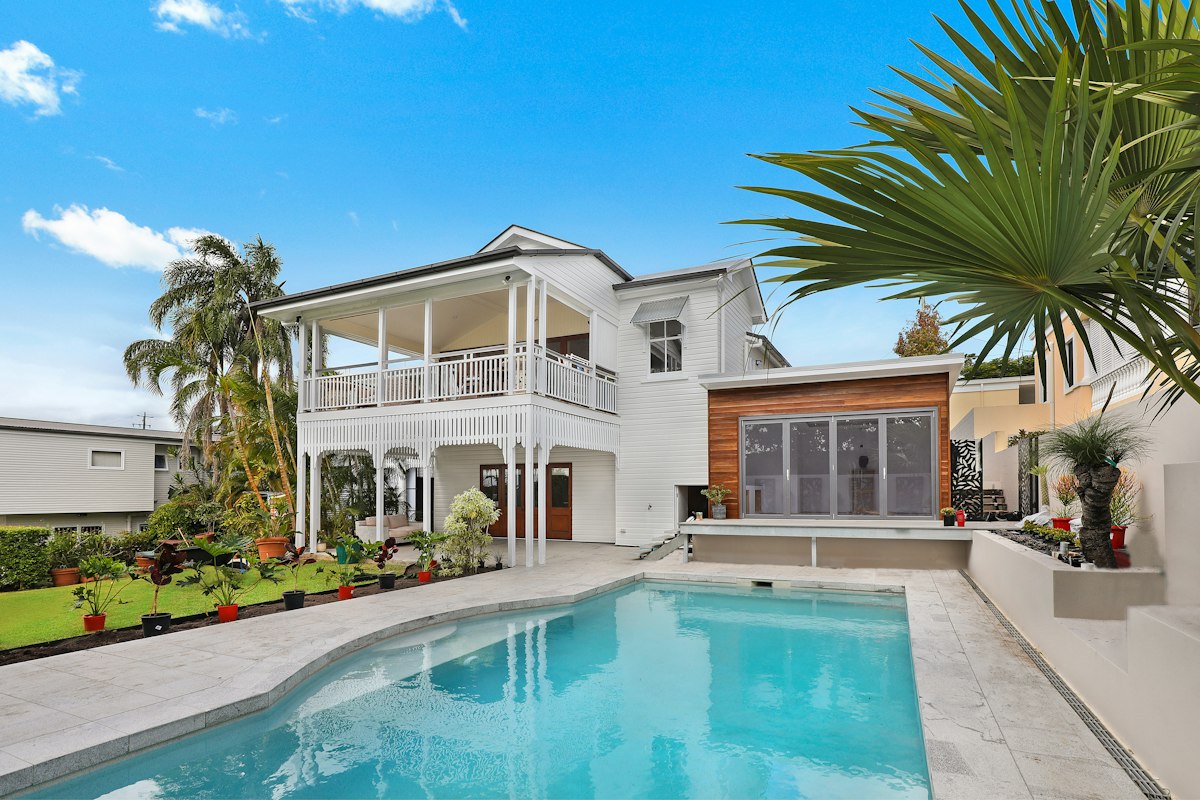
A fire pit, a big lanai and a marsh view are not luxuries here, they are how winter weekends work. Joey can show you the Northeast Florida homes and neighborhoods where outdoor living is the whole point.
Call or text Joey Larsen: 904-863-6679
or visit RetireMeToFlorida.com
How to host your first one
Keep it simple. A bushel of oysters serves a surprising number of people when there is other food around, and it is easy to add a pot of chili or a tray of sausage for the people who do not eat oysters. You need a heat source, a steel plate or heavy grate, burlap or old towels soaked in water, gloves, oyster knives, and a table people can stand around.
Steam the oysters until they just start to open, about ten to fifteen minutes depending on your fire, then shovel them onto the table and let people shuck their own. Repeat until the bushel is gone or the conversation runs out, which it will not. Set a trash can under the table for shells, and plan to use those shells in the garden or return them to a local shell recycling program if one is available.
What it does for a new resident
The oyster roast is a social machine. It is casual enough that you can invite the neighbors you barely know, long enough that people actually talk, and outdoorsy enough that the kids and the dogs take care of themselves. Retirees who have moved to Nocatee, Palencia or the beaches from out of state often say the first oyster roast they went to was the day the neighborhood stopped feeling new.
It also connects you to the place. Standing around a fire with the marsh going dark and the smell of salt and wood smoke in the air, you understand what people mean when they say the First Coast still feels like Old Florida in the right moments.
Where to find one if you are not hosting
Churches, clubs, community associations and local nonprofits across St. Johns, Duval and Nassau counties hold oyster roasts as fall and winter fundraisers. Waterfront restaurants and fish camps along the Intracoastal and the St. Johns River run them as events. And once your neighbors know you are interested, you will be invited to more than you can attend. It is that kind of tradition.
Frequently Asked Questions
When is oyster season in Northeast Florida?
Oysters are traditionally eaten in the cooler months, roughly October through March, and that is when backyard oyster roasts happen along the First Coast. Farmed oysters are available more broadly, but the roast remains a cool-weather tradition.
Where do you buy oysters by the bushel near Ponte Vedra Beach?
Local seafood markets in Mayport, Fernandina Beach, St. Augustine and the beaches carry oysters in season, often by the bushel or half bushel. Call ahead, since supply varies week to week.
Do I need special equipment to host an oyster roast?
A heat source, a steel plate or heavy grate, wet burlap or towels, gloves, oyster knives and a sturdy table are the essentials. Many hosts build a simple roasting setup from a sheet of steel and cinder blocks, and some rent or borrow equipment from neighbors.
Is an oyster roast a good way to meet neighbors after moving to Florida?
It is one of the best. The format is casual, outdoor and unhurried, which makes it easy to invite people you barely know and easy for conversations to happen naturally.
Search Northeast Florida Homes
Browse active listings across Northeast Florida -- from master-planned communities in Nocatee, RiverTown, Tributary, and St. Johns County to coastal homes in Ponte Vedra Beach, Jacksonville Beach, Neptune Beach, and Atlantic Beach.
What To Do Right Now
If a winter afternoon around a fire with oysters and new friends sounds like the retirement you had in mind, let's find you the backyard to host it in.
Call or text Joey Larsen at 904-863-6679, or visit RetireMeToFlorida.com to get started.
Categories
- All Blogs (1032)
- Buyer Questions (10)
- Buyer Resources (14)
- Communities (8)
- Cost of Living (6)
- Insurance & Risk (1)
- Jacksonville / St. Johns County (3)
- Joey Studies The Market (1)
- Local Area Happenings (1)
- Local Favorites (236)
- Market Intelligence (236)
- Market Update (3)
- Nocatee (2)
- Northeast Florida Market (1)
- Our Communities (4)
- Questions Buyer Are Asking (23)
- Questions Sellers Are Asking (35)
- Real Estate Done Right (10)
- Relocation (1)
- Relocation Guides (225)
- Retirement Planning (4)
- Seller Resources (3)
- The Florida Life (225)
Recent Posts