Moving From Upstate New York to Northeast Florida: Snow, Taxes and What Changes

What does the day after Thanksgiving look like where you live now?
If you are in Syracuse, Rochester or Buffalo this morning, you probably know the answer. The sky over the lake is the color of a nickel, the forecast has the word "lake effect" in it somewhere, and the shovel is already by the door. Down here in Ponte Vedra Beach the day after Thanksgiving is a different animal: a walk on the beach at nine in a light jacket, the lanai door open by noon, the grandkids riding bikes to the park in November. Upstate New Yorkers are some of the most practical people Joey works with, and the question they ask is never whether Florida is warmer. It is what they give up, what they get, and whether the numbers hold once the snow is out of the picture.
Moving from Upstate New York to Northeast Florida trades the snowiest big cities in America (Syracuse averages about 128 inches a year, Rochester about 102, Buffalo about 95) for a coast where winter means highs in the 60s. Financially, Florida has no state income tax while New York's runs from roughly 4 to 10.9 percent, and property tax rates in Erie, Monroe and Onondaga counties generally exceed 2 percent of market value against Florida homestead rates well below that. The trade-offs are real: higher home prices in St. Johns County, higher homeowners insurance, and the loss of New York's generous treatment of retirement income for the portion you were already not paying tax on.
The snow, in numbers you already know
Upstate's three big cities trade the Golden Snowball every winter, and the normals tell the story. By the 1991 to 2020 climate normals, Syracuse averages about 127.8 inches of snow a season, Rochester about 102 and Buffalo about 95, and the 2025-26 winter finished with Syracuse at 143.1 inches and Rochester at 114.1. The practical costs are familiar: the plow contract, the roof rake, the second set of tires, and a body that is a little less sure on ice every year.
Northeast Florida's winter is not warm the way South Florida's is. It is mild. January highs around Jacksonville run in the mid-60s, nights can dip into the 30s a few times a year, and a sweater is a real garment here from December through February. What there is not is snow, ice or a season that keeps you indoors. Our post on whether retired couples need one car or two in Ponte Vedra Beach and Nocatee gets at what that does to daily life: you are outside, on a bike, on the beach, on a golf cart, in a way that stops being possible in Onondaga County in November.
Income tax: what you actually save
New York taxes income in nine brackets that run from roughly 4 percent at the bottom to 10.9 percent at the top, and most Upstate retirees land somewhere in the middle of that range on their taxable income. Florida has no personal income tax at all. That is the headline, and for a couple drawing a private pension, IRA withdrawals and investment income it is often the largest single line in the move.
Be honest about what it is not. New York already exempts Social Security benefits from state tax, and it lets taxpayers who are 59 and a half or older exclude up to $20,000 each of qualified pension and annuity income, with New York State, local and federal government pensions fully exempt. If most of your retirement income is Social Security and a state teachers' or municipal pension, you were paying New York little or nothing on it, and the Florida savings on that income is small. Where Florida wins decisively is on everything else: the 401(k) and IRA withdrawals above the exclusion, the private-sector pension, the brokerage account, and the gain when you eventually sell an investment. Our post on what Florida's lack of an income tax really saves a retiree walks through the math with examples.
Property tax: the number that surprises people
Upstate New Yorkers are used to property tax bills that rival a mortgage payment. Published estimates put effective property tax rates in Erie, Monroe and Onondaga counties somewhere between 2.1 and 2.6 percent of market value, against a national average under 1 percent. County governments have been cutting their own rates; Onondaga's 2026 budget cut the county levy 11 percent to $2.93 per $1,000 of assessed value and Erie's proposed 2026 rate is $3.09 per $1,000. But the county line is the small one. School districts, towns and villages make up most of an Upstate bill, and a $300,000 house in a Rochester suburb can easily carry $7,000 to $8,000 a year in total property tax.
Florida works differently. Your home's assessed value gets a homestead exemption, and once homesteaded the assessed value can rise no more than 3 percent a year under the Save Our Homes cap no matter what the market does. Millage rates in St. Johns County are set by the county, the school district and a few special districts. The result for most retirees moving from Upstate is a property tax bill on a more expensive Florida house that is similar to or lower than what they paid on a cheaper house in New York. Our guide to reading your first St. Johns County property tax bill shows what the lines mean, and our post on the December 31 homestead deadline explains why the closing date matters.
Planning a move from Upstate New York?
Joey helps buyers from across the Northeast compare Northeast Florida communities and can show you, with real listings, what your Upstate equity buys in Nocatee, St. Augustine and Ponte Vedra Beach.
Call or text Joey Larsen: 904-863-6679
or visit RetireMeToFlorida.com
What costs more here
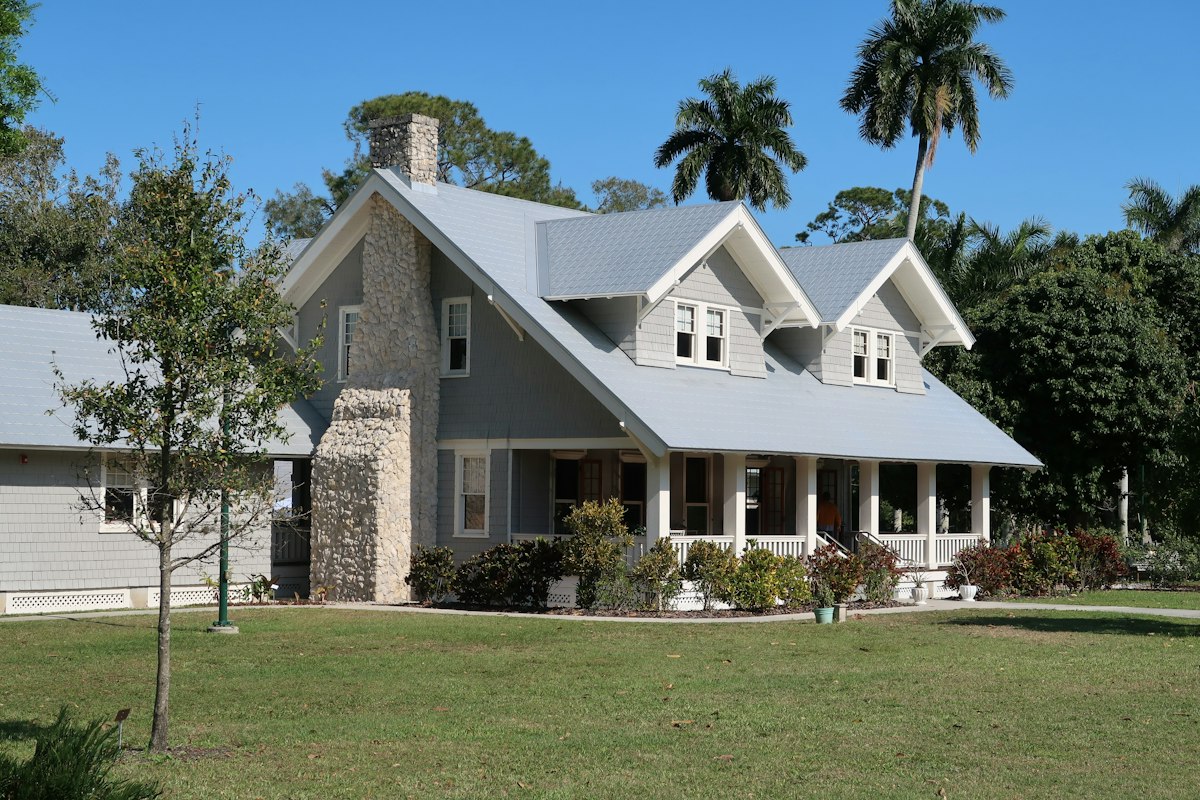
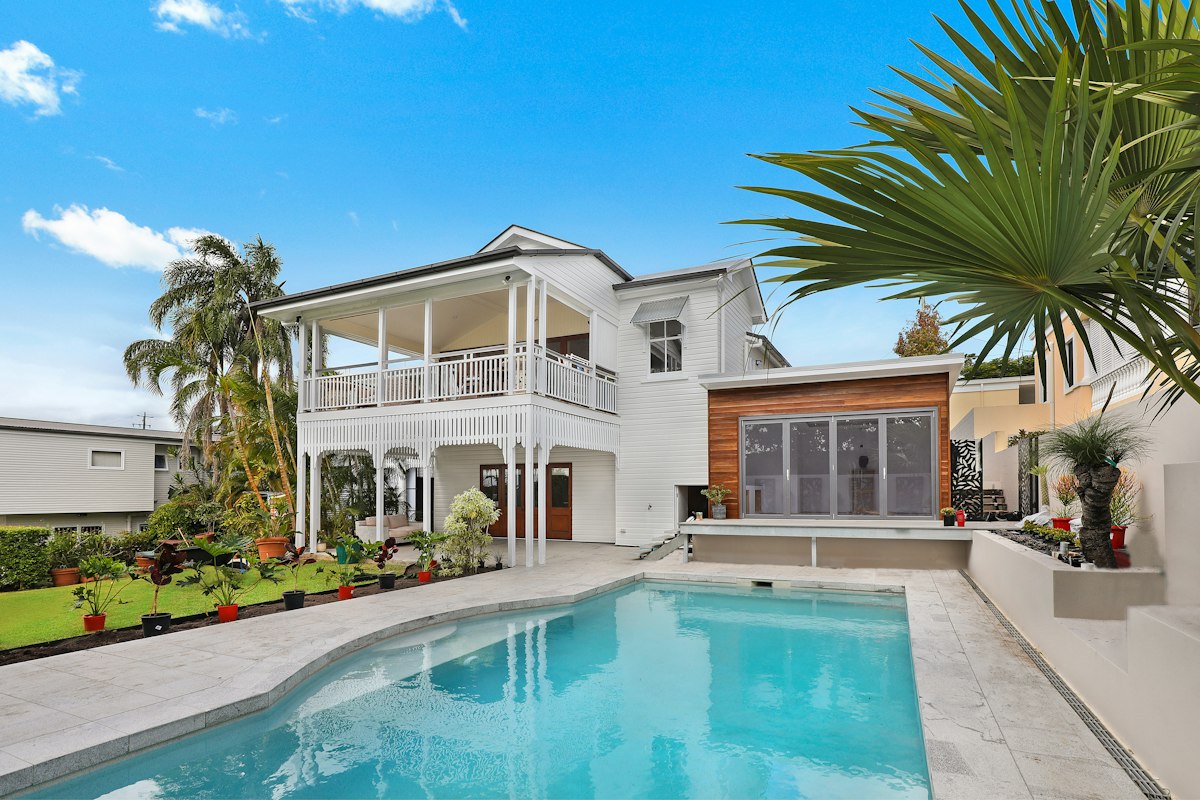
Two things, mainly. The first is the house. Upstate New York has some of the most affordable housing of any metro area in the Northeast, and St. Johns County does not. The equity from a paid-off colonial in Pittsford or Williamsville buys a lot in Northeast Florida, but it does not buy the equivalent house at the equivalent price; expect to pay more for the Florida home, especially in Ponte Vedra Beach, and plan the budget around that rather than around the tax savings alone.
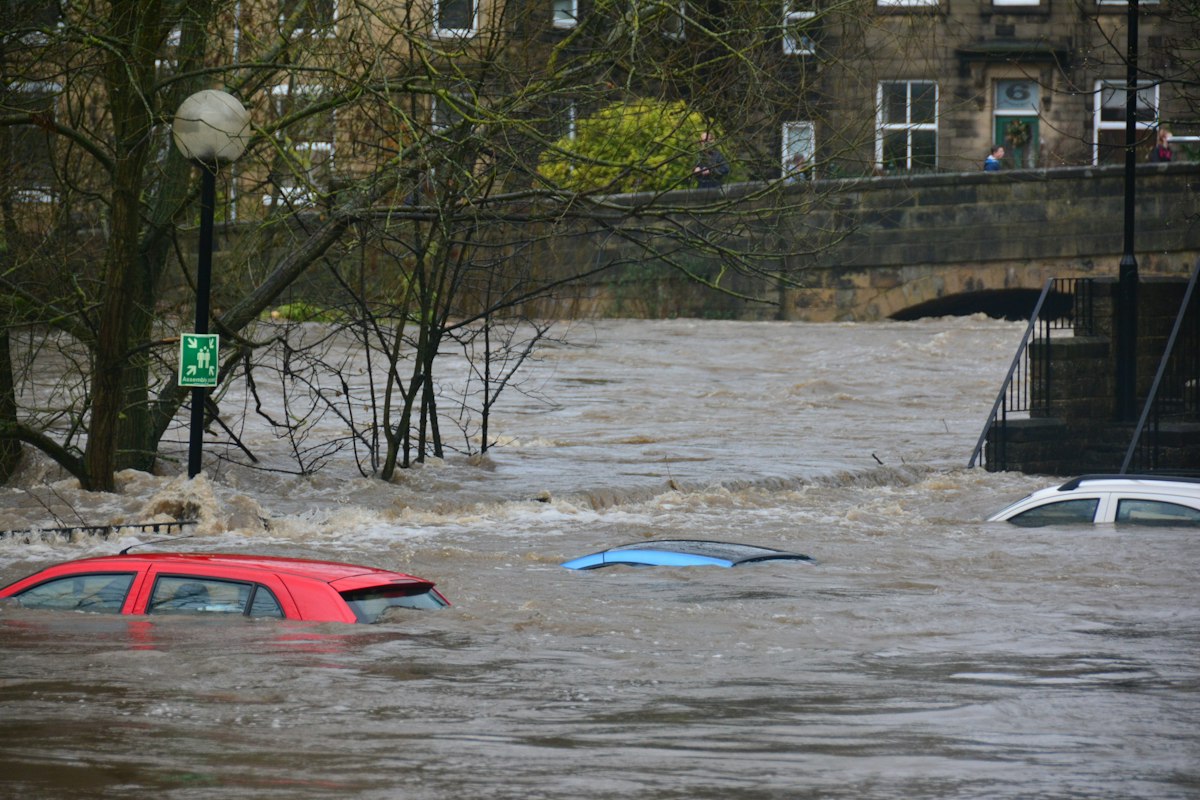
The second is homeowners insurance. Florida premiums are higher than Upstate premiums, sometimes by a multiple, and coastal and older homes cost more to insure than newer inland ones. Flood insurance may be required or advisable depending on the lot. These costs are knowable before you buy, and they are one reason a lot of Upstate movers end up in newer construction in Nocatee, World Golf Village or the St. Augustine communities rather than in an older beach house. Get the insurance quote during the inspection period, not after closing.
Where Upstate New Yorkers tend to land
There is no single answer, but patterns show up. Buyers who want a neighborhood that feels like the one they left, with sidewalks, a town center and neighbors who moved from somewhere else too, usually look at Nocatee first. Golfers who spent their winters in the clubhouse waiting for April gravitate to World Golf Village and the St. Johns County golf communities. People whose real goal is the water, the ones who kept a boat on Lake Ontario or Canandaigua, look at the Intracoastal neighborhoods and at St. Augustine, where the Matanzas River and the inlet are a boating life rather than a six-month one. And the buyers with the most equity, often from the Rochester and Buffalo professional suburbs, look at Ponte Vedra Beach, where the ocean is the point.
The paperwork that makes the move stick
New York is the most aggressive state in the country about auditing former residents who claim to have moved, so the move has to be real on paper as well as in fact. That means selling or genuinely giving up the Upstate house, getting the Florida license and voter registration, filing a declaration of domicile with the St. Johns County clerk, claiming homestead, and keeping a day count if you ever go back for a summer. We cover that in detail in our post on domicile audits after a move to Florida, and our post on how a Florida move changes your estate plan covers the will and the trust. None of this is tax or legal advice; a CPA who handles New York and Florida returns is worth every dollar in the year you move.
Frequently Asked Questions
How much snow does Upstate New York get compared with Northeast Florida?
By the 1991 to 2020 climate normals, Syracuse averages about 128 inches of snow a season, Rochester about 102 and Buffalo about 95. Northeast Florida gets none in a normal year. Winter in Jacksonville and St. Johns County means highs in the 60s and occasional nights in the 30s.
Does moving from New York to Florida save on income tax?
Yes, with a caveat. Florida has no state income tax, while New York's rates run from roughly 4 to 10.9 percent. But New York already exempts Social Security and up to $20,000 per person of pension and annuity income at age 59 and a half, and fully exempts government pensions, so the savings come mainly from IRA and 401(k) withdrawals above that, private pensions and investment income.
Are property taxes lower in Florida than in Upstate New York?
Usually, as a share of value. Published estimates put effective rates in Erie, Monroe and Onondaga counties above 2 percent of market value, driven mostly by school and town taxes. Florida homestead owners get an exemption and the 3 percent Save Our Homes assessment cap, so the bill on a more expensive Florida home is often similar to or lower than the Upstate bill.
What costs more in Florida?
Home prices in St. Johns County are higher than in most Upstate metros, and homeowners insurance is considerably more expensive, especially near the coast and on older homes. Get insurance quotes during the inspection period.
Search Northeast Florida Homes
Browse active listings across Northeast Florida, from Ponte Vedra Beach and Nocatee to St. Augustine, World Golf Village and the rest of St. Johns County.
What To Do Right Now
- Add up last year's New York state income tax and total property tax, then ask a CPA what the same income would owe in Florida. That number sets the budget.
- Get a current value on the Upstate house and decide whether it sells before or after the Florida purchase.
- Pick two Northeast Florida areas to compare on your next visit, one newer inland community and one near the water, and get an insurance quote on a home in each.
- Plan the Florida closing so you can claim homestead for the following January 1.
- Call or text Joey Larsen at 904-863-6679, or visit RetireMeToFlorida.com, to see what your Upstate equity buys in Nocatee, St. Augustine and Ponte Vedra Beach.
Categories
- All Blogs (1032)
- Buyer Questions (10)
- Buyer Resources (14)
- Communities (8)
- Cost of Living (6)
- Insurance & Risk (1)
- Jacksonville / St. Johns County (3)
- Joey Studies The Market (1)
- Local Area Happenings (1)
- Local Favorites (236)
- Market Intelligence (236)
- Market Update (3)
- Nocatee (2)
- Northeast Florida Market (1)
- Our Communities (4)
- Questions Buyer Are Asking (23)
- Questions Sellers Are Asking (35)
- Real Estate Done Right (10)
- Relocation (1)
- Relocation Guides (225)
- Retirement Planning (4)
- Seller Resources (3)
- The Florida Life (225)
Recent Posts