Moving From Maine, New Hampshire or Vermont to Northeast Florida
Ready To Stop Ordering Heating Oil in August?
The woodpile is the tell. Every year in late summer you stack it, and every year you stand back and look at it and do the math on whether it's enough. Four cord? Five, if the winter runs long. You've gotten good at reading a season before it arrives.
Then there's the roof rake leaning in the garage. The bag of pellets or the tank in the yard. The plow guy you text in November, who you hope is still in business. The morning in March when the driveway turns to soup and you realize mud season is a real season and nobody warned you about it as a kid.
None of it is bad. Some of it you love. A morning in Vermont in October is one of the better things this country produces, and anybody who tells you otherwise has never stood on a hill in Addison County at seven in the morning.
But somewhere in your fifties or sixties the arithmetic changes. The woodpile stops being satisfying and starts being a chore. The ice on the back steps stops being an inconvenience and starts being a risk. And you start looking south.
Moving from Maine, New Hampshire or Vermont to Northeast Florida trades a long, physically demanding winter for a hot summer and a mild rest of the year. Florida has no state income tax, your house gets newer and lower-maintenance, and communities in St. Johns County and Nassau County like Nocatee, Shearwater and Tributary make it easier to build a social life from scratch. The honest trade-offs are humidity, hurricane season, and the fact that you'll be leaving a place that is beautiful.
The Maintenance Load Is the Real Reason Most People Leave
Ask northern New Englanders why they're looking at Florida and the first answer is usually "the winter." Push a little and the real answer comes out: it's the work.
A house in Maine, New Hampshire or Vermont asks a lot of you. Much of the housing stock is old, and old up there means old. Plaster, knob and tube somewhere in the walls, a foundation that was never meant to be a basement, sills that want attention. Add a well, a septic system, a long dirt driveway, and a roof that has to survive a snow load, and you've got a building that requires a caretaker.
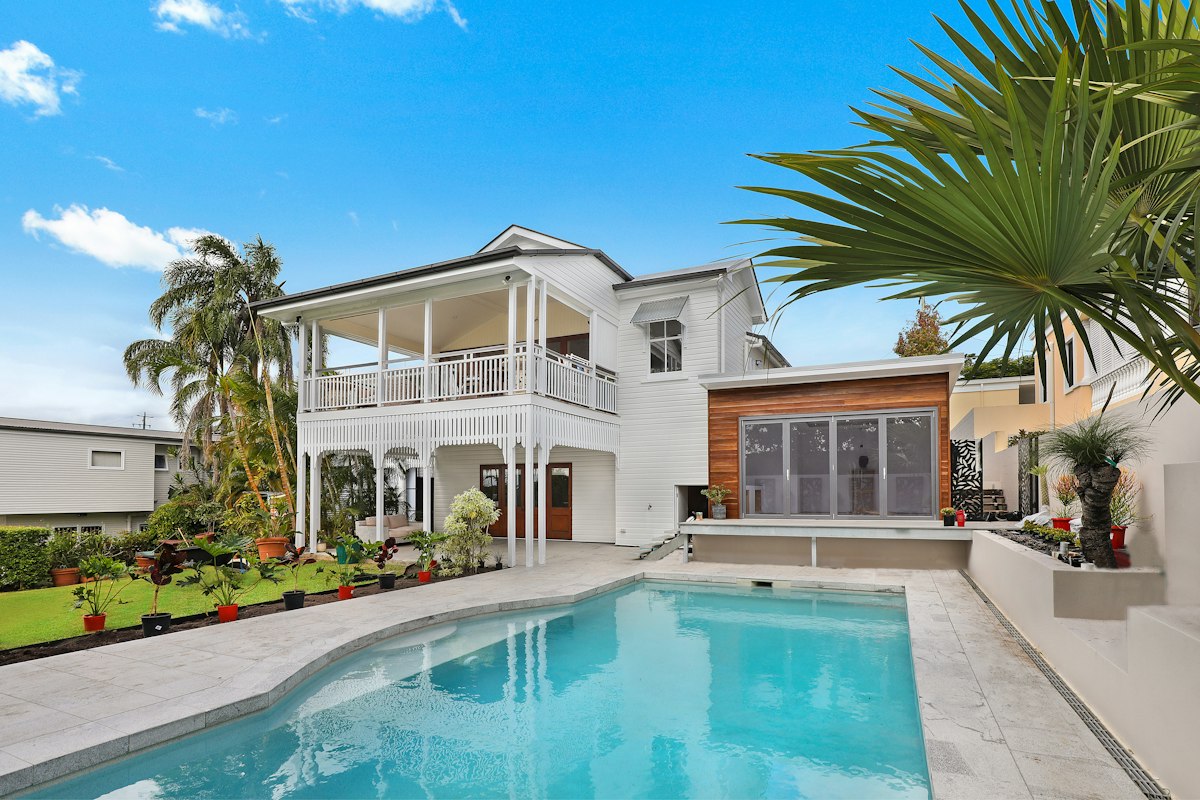
The houses in Northeast Florida are, broadly, much newer. Communities like Silverleaf, RiverTown, Shearwater and Tributary are built out over the last several years. Slab foundation, no basement, no well, no septic, a roof that only has to handle rain and wind. There's still upkeep, but it's a different category of upkeep. You're not managing a building's survival through a season anymore.
The Tax Picture Depends On Which State You're Leaving
This is worth separating out, because the three states are not the same.
If you're coming from Maine or Vermont, the change is direct. Both states tax income. Florida does not have a state income tax. If you're drawing on retirement accounts or a pension, that's a meaningful annual difference that compounds over a long retirement.
If you're coming from New Hampshire, you already live without a tax on wages, so the income tax side of the move matters less to you. Your change shows up elsewhere: in property taxes, in what you're spending to heat a house from October to April, and in what an old New England home costs to keep standing.
Across all three, the piece people forget to price is insurance. Florida homeowners insurance is a different conversation than the one you're used to, and it varies a lot by construction type, roof age, elevation and how close you are to the water. Get a real quote on a real address before you set a budget. Some Northeast Florida communities also carry CDD assessments alongside taxes and HOA dues, which is worth understanding property by property rather than assuming.
What the Equity Does When It Moves South
Here's where it gets interesting, and where it varies more than for almost any other origin state.
Northern New England is not one market. A farmhouse on acreage in the Northeast Kingdom is a different financial story than a coastal property in midcoast Maine or a house in the Seacoast or Upper Valley. Some of you are sitting on a lot of equity. Some of you own a beautiful, beloved house that will take real time to sell.
What is broadly true is this: land is not the constraint in Northeast Florida that it is in a desirable New England town with a tight inventory and a short building season. And the house you buy here is likely to be far newer than the one you're selling.
What Would Your New England Home Fund in Northeast Florida?
Old houses on land sell on their own timeline. Knowing what yours is likely to bring, and what that number buys in St. Johns or Nassau County, is the first real planning step.
Call or text Joey Larsen: 904-863-6679
or visit RetireMeToFlorida.com
The Year Flips Upside Down
Up north, summer is the reward and winter is the thing you get through. Down here it reverses, and it takes a full year to feel normal.
From roughly October through May, Northeast Florida is excellent. Doors open. Screened porches in use. Golf at World Golf Village or Palencia without sweating through your shirt. Morning walks at Ponte Vedra Beach or Fernandina Beach where the air is cool and the light is long. This is the stretch that sells the place.
July and August are the ones to plan for. It's hot and it's humid, and you restructure your day around it. Early morning and evening outside, midday inside or in the water. If you've spent your life planning around January, you already know how to do this. It's the same skill pointed in a different direction.
Hurricane season runs June through November and is part of living on this coast. Northeast Florida's position has historically been less exposed than the southern part of the state or the Gulf side, but it's not a zero-risk coast and nobody should pretend otherwise. The work is choosing the right house, understanding your flood zone, and carrying the right coverage.
What You're Actually Going To Miss
It's worth naming, because pretending otherwise makes for a harder first year.
You'll miss fall. Northeast Florida has a lovely shoulder season but it does not have a New England October, and nothing here will substitute for it. Many people handle this by going back north for a few weeks every year, which works nicely because the timing is opposite to when you want to be here.
You'll miss the quiet. A dirt road in Vermont in February is silent in a way that almost no place in Florida is. If deep quiet is central to how you live, look at the edges. Parts of Nassau County, the areas around Fernandina Beach away from the beach, the wooded sections of Tributary and the older stretches along the Intracoastal all run quieter than a busy amenity-centered neighborhood.
Selling an Old House in a Short Season
Northern New England markets have real seasonality. Showing activity, buyer traffic and the practicality of getting inspections and photos done all shift with the calendar, and a property on a long dirt road shows very differently in April mud than it does in September sun.
If you're two to five years out, use that runway. Older homes tend to need a deferred maintenance pass before listing, and that work goes better when it's planned instead of triggered by an inspection report. Get clear on your well and septic documentation. Understand how your property's land, outbuildings and acreage will be valued, because that's often the part sellers misjudge.
And think about sequencing. Selling first and renting in Northeast Florida for a stretch removes the pressure and lets you compare Nocatee to Julington Creek to Amelia Island by actually being here. Buying first works too, if you can carry both comfortably for a window.
Building a Circle From Zero
Small-town New England gives you a social structure whether you want one or not. Town meeting, the general store, the fire department, the people you've plowed out and who have plowed you out.
You're leaving that. The good news is that the big planned communities here are designed around the problem. Nocatee, Shearwater, RiverTown, Durbin Crossing and Tributary all run amenity centers, clubs, leagues, and a steady calendar. Half the people you meet also arrived recently from somewhere cold, and nobody has to force their way into a circle that formed in 1987.
Frequently Asked Questions
Will I really not miss the snow?
Most people say they miss the idea of snow and not the reality of it. A common pattern is going back north for a week or two in winter, seeing it, enjoying it, and being ready to come home. What people rarely miss is the driveway, the roof, the ice on the steps and the dark at four in the afternoon.
How does the humidity compare to a New England summer?
New England gets humid stretches in July, but Northeast Florida holds humidity for months rather than days. Homes here are built for it, with central air running steadily through summer, and most people adjust within a season. The practical change is scheduling outdoor time for early morning and evening from roughly June through September.
Do I need to sell before I can make an offer here?
Not necessarily, but it affects how strong your offer looks. Buyers who have already sold, or who are buying without a sale contingency, are in a better negotiating position. If your New England home is likely to take time to sell, that's a reason to start on that side early rather than later.
Search Northeast Florida Homes
Browse what's on the market right now in Nocatee, Tributary, Shearwater, Fernandina Beach and along the Intracoastal, and start seeing what your number actually buys here.
What To Do Right Now
Start with two numbers: what your current home is realistically worth, and what that buys in the parts of Northeast Florida that actually fit how you want to live. Everything else follows from those.
Call or text Joey Larsen at 904-863-6679, or visit RetireMeToFlorida.com to get started.
Categories
- All Blogs (762)
- Buyer Questions (10)
- Buyer Resources (14)
- Communities (8)
- Cost of Living (6)
- Insurance & Risk (1)
- Jacksonville / St. Johns County (3)
- Joey Studies The Market (1)
- Local Area Happenings (1)
- Local Favorites (170)
- Market Intelligence (169)
- Market Update (3)
- Nocatee (2)
- Northeast Florida Market (1)
- Our Communities (4)
- Questions Buyer Are Asking (25)
- Questions Sellers Are Asking (8)
- Real Estate Done Right (11)
- Relocation (1)
- Relocation Guides (160)
- Retirement Planning (4)
- Seller Resources (3)
- The Florida Life (176)
Recent Posts