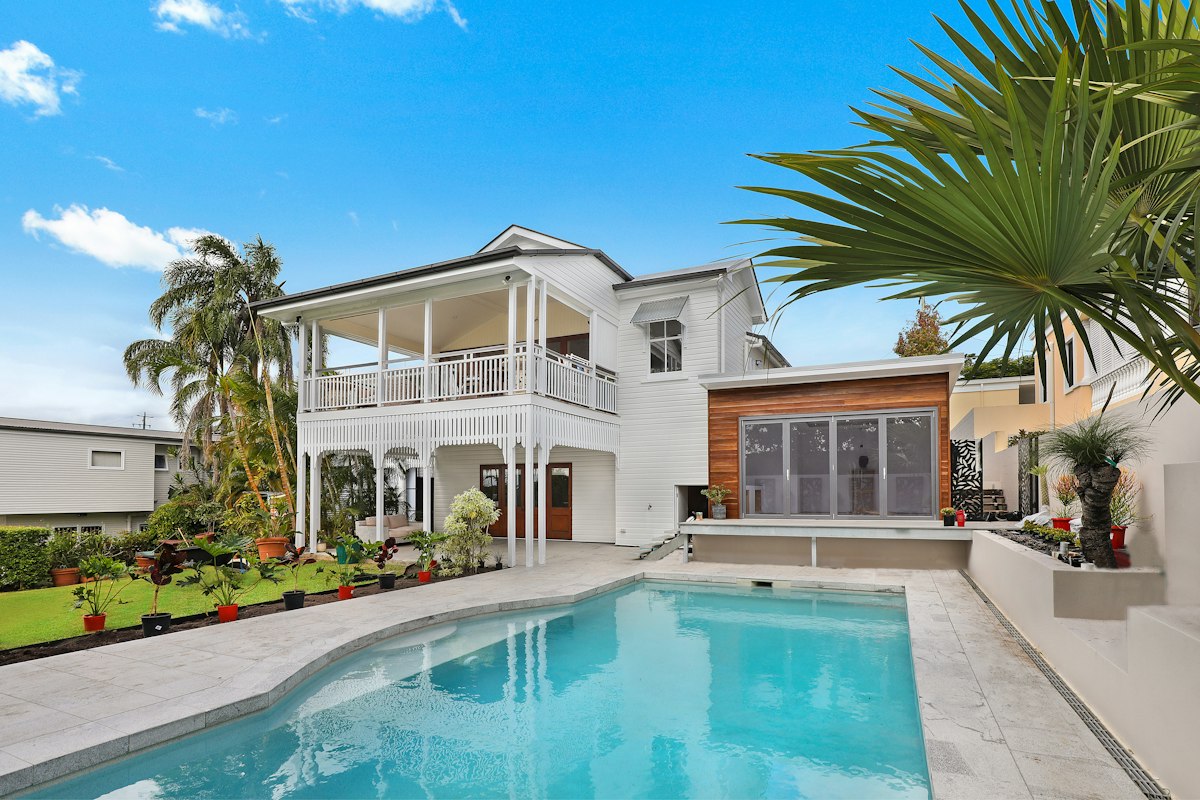
Moving From Long Island to Northeast Florida: What Actually Changes

What Actually Changes When You Trade the Island for the First Coast?
It's a Tuesday in February and you're out in the driveway at 6:40 in the morning with the scraper, working the ice off the windshield in short angry strokes. The car is running. The heat is blowing cold air at your knees because it hasn't caught up yet. Your neighbor is doing the same thing thirty feet away and neither of you says anything, because what is there to say.
You've done this some number of mornings you stopped counting a long time ago. You're good at it. That's the strange part. You've built a whole set of skills around a life you're not sure you want to keep living.
Then somebody sends you a picture from Florida. Or you come down in March for a week and rent a place near the water, and on the fourth morning you walk out to get coffee in a t-shirt and something in your chest lets go.
That's usually where this starts. Not with a spreadsheet. With a morning.
Moving from Long Island to Northeast Florida changes four things in a real way: your tax picture, your lot size, your daily pace, and what your home sale proceeds actually buy. Florida has no state income tax, and the equity in a Nassau or Suffolk County home often reaches further in St. Johns County or Nassau County, Florida than people expect. The trade is a different set of seasons, a different insurance conversation, and a social life you have to build on purpose.
The Tax Picture Is the Headline, but It's Not the Whole Story
Florida has no state income tax. That's plain fact and it matters, especially if you're drawing from retirement accounts, taking a pension, or still earning. New York taxes that income. Florida does not.
Long Island homeowners also carry property tax bills that are talked about at dinner parties, and often not fondly. Moving to Northeast Florida generally puts you in a very different property tax conversation, and Florida's homestead exemption plus the cap on annual assessment increases for your primary residence is a real structural benefit once you establish residency here.
Here's where honesty matters. Your total cost of living does not drop to zero. Homeowners insurance in Florida is a different conversation than the one you're used to on the Island, and it deserves a real quote on a real address before you finalize a budget. Some communities carry CDD assessments on top of taxes and HOA dues. Electric bills swing hot in the summer instead of hot in the winter.
What Your Sale Proceeds Actually Buy Down Here
This is the part that makes people sit up.
Long Island property values reflect decades of scarcity. There's only so much land, the water is on both sides, and everyone wants to be near the train. What that means is that a modest house on a modest lot carries real value, and you've probably been living inside an appreciating asset without thinking of it that way.
When you sell that and buy in Northeast Florida, two things happen at once. The land constraint mostly goes away, and the house you buy is likely newer. You're looking at communities like Nocatee, Shearwater, Silverleaf and RiverTown where the homes have been built in the last handful of years, where the systems are new, and where the lot gives you meaningfully more room than you're used to.
Not always. Ponte Vedra Beach and Amelia Island have their own scarcity and their own pricing, and a home near the ocean is a home near the ocean anywhere in America. But across St. Johns County and Nassau County broadly, the money stretches in a way that surprises people who have only ever bought in a market where land was the scarcest thing.
Your Lot, Your Yard, Your Saturday
On the Island, a quarter acre is a real yard. The lots are deep and narrow in a lot of the older neighborhoods, the houses sit close, and you know your neighbors' routines whether you want to or not.
Down here, the lot feels different even when the number is similar. The houses tend to be wider and shallower. There's often a preserve, a pond or a buffer behind you instead of another house. Communities like Durbin Crossing, Julington Creek and Tributary were planned with green space folded in from the start, which changes what the view out your back window looks like.
Your Saturday changes too. There's no storm window ritual. No gutter season. No leaf haul in November and no mulch panic in April. Instead there's a lawn that grows aggressively nine months a year, which most people handle with a service, and a pressure washer you'll end up buying whether you planned to or not.
Wondering What Your Long Island Home Would Actually Fund Down Here?
Before you can plan the Florida side, you need a real read on the equity coming out of your current home and what it buys in St. Johns and Nassau County. That conversation costs you nothing and it's the first honest step.
Call or text Joey Larsen: 904-863-6679
or visit RetireMeToFlorida.com
The Commute and the Shape of Your Day
If you've spent years on the Long Island Expressway, the Northern State, or standing on a platform at 6:50, the first thing you should know is that Northeast Florida drives differently. Not perfectly. There's traffic on I-95 and on Butler and on the bridges at the wrong hour. But the geography is different, and so is the math.
The Intracoastal splits the coast from the mainland here, and bridges matter. Living east of the Intracoastal in Ponte Vedra Beach or Atlantic Beach means a different daily pattern than living west of it in World Golf Village or Silverleaf. Neither is better. They're just different lives.
The Seasons Don't Disappear, They Rearrange
People tell you Florida has no seasons. That's not accurate for this part of the state.
Northeast Florida gets a real winter in the sense that it cools off. You'll wear a jacket. There are mornings in January that bite. What you don't get is snow, ice, a frozen driveway, or five months of dark at 4:30 in the afternoon.
Summer is the season you have to make peace with. July and August are hot and humid in a way that reorganizes your day. You go out early, you go out late, and midday you're inside or in the water. It's the mirror image of a Long Island January, where you also stayed inside, just for the opposite reason.
Then there's hurricane season. It's real, it runs June through November, and it's part of the deal. Northeast Florida's position on the coast has historically been less exposed than South Florida or the Gulf, but no one should buy here pretending the risk is zero. What you do is build a house choice and an insurance plan around it, and you learn the rhythm the way you once learned to read a nor'easter forecast.
Selling Up There Before You Buy Down Here
Here's the part people underplan.
Long Island transactions run on a different timeline and a different set of customs than Florida transactions. Attorney involvement, contract timing, inspection culture, the pace of the whole thing. If you're two to five years out, the most useful thing you can do right now is understand what your home will realistically bring, what it needs before it lists, and how long that market typically takes at the time of year you plan to sell.
You also have a sequencing decision. Sell first and rent down here for a stretch while you learn the neighborhoods. Or buy first and carry two homes for a window. Both are legitimate. Which one is right depends on your cash position, your risk tolerance, and whether you already know where you want to land.
The people who have the smoothest moves are the ones who started the conversation on both ends early, long before a box was packed.
Building a Life, Not Just Buying a House
On the Island you've got a doctor you trust, a guy who does your car, a butcher, a diner, a circle of people whose kids grew up with yours. That network took thirty years. You can't buy it with a house.
What you can do is buy into a place where building one is easy. That's the honest argument for the larger planned communities here. Nocatee, RiverTown, Shearwater, Del Webb at Nocatee and the Tributary area in Nassau County all have amenity centers, clubs, pickleball, food trucks on Friday, and a steady stream of people who also just arrived from somewhere else and also don't know anybody yet.
Frequently Asked Questions
How long does it take to establish Florida residency?
Florida residency involves filing a declaration of domicile, getting a Florida driver's license, registering your vehicles, and registering to vote here, among other steps. There's also a homestead exemption application for your primary residence with its own filing window. It's worth walking through the specific sequence with a tax professional given your own situation, because the order and timing can matter.
Should I sell my Long Island house before I buy in Florida?
It depends on whether you can comfortably carry both for a period and whether you already know exactly where you want to be here. Many people sell first and rent in Northeast Florida for several months, which removes the financial pressure and lets you learn the difference between Ponte Vedra Beach and World Golf Village by actually living near both.
Is Northeast Florida different from South Florida?
Substantially. The pace is slower, the coastline is less developed, the seasons are more defined, and the culture reads more Southern coastal than international resort. Jacksonville Beach, Neptune Beach, Atlantic Beach and Fernandina Beach are beach towns rather than high-rise corridors. Many people from the Northeast find this part of the state feels more like a real place to live and less like a vacation.
Search Northeast Florida Homes
Take a look at what's actually available right now in Nocatee, RiverTown, Silverleaf, Ponte Vedra Beach and Fernandina Beach, and start getting a feel for what your number buys here.
What To Do Right Now
You don't need a moving date to start. You need a clear read on what your current home is worth, what that buys in Northeast Florida, and which communities actually fit the way you want to live.
Call or text Joey Larsen at 904-863-6679, or visit RetireMeToFlorida.com to get started.
Categories
- All Blogs (762)
- Buyer Questions (10)
- Buyer Resources (14)
- Communities (8)
- Cost of Living (6)
- Insurance & Risk (1)
- Jacksonville / St. Johns County (3)
- Joey Studies The Market (1)
- Local Area Happenings (1)
- Local Favorites (170)
- Market Intelligence (169)
- Market Update (3)
- Nocatee (2)
- Northeast Florida Market (1)
- Our Communities (4)
- Questions Buyer Are Asking (25)
- Questions Sellers Are Asking (8)
- Real Estate Done Right (11)
- Relocation (1)
- Relocation Guides (160)
- Retirement Planning (4)
- Seller Resources (3)
- The Florida Life (176)
Recent Posts