Moving From Connecticut to Northeast Florida: Income Tax, the Car Tax and a Familiar Coastline

It is the last week of November on the Connecticut shoreline. The boats are shrink-wrapped in the yard in Old Saybrook, the leaves are bagged at the curb in Glastonbury, and the first oil delivery of the season just showed up on the credit card. You love this place. You raised a family here. But you are standing at the window at 4:25 in the afternoon watching it get dark, and you are doing the math again on what it costs to stay.
People who move from Connecticut to Northeast Florida trade a state income tax that tops out at 6.99 percent, a yearly town tax on their cars and a state estate tax for a state with none of the three. Ponte Vedra Beach, Nocatee, St. Augustine and Amelia Island give you a coastline and a sense of history that feel familiar, with real differences in summer heat, storm insurance and how neighborhoods are run. Plan the tax residency side carefully before you sell.
What You Leave Behind on the Tax Return
Start with the numbers that show up every April. According to AARP's 2026 guide to Connecticut taxes, the state has seven income tax brackets running from 2 percent to 6.99 percent. Florida has no personal income tax at all.
Connecticut does give retirees some relief. Social Security is fully exempt from state tax if your adjusted gross income is under $75,000 as a single filer or $100,000 filing jointly, and above those lines no more than 25 percent of your benefits is taxed. Pension and annuity income is fully deductible under the same income limits, and the deduction phases out and disappears at $100,000 for single filers and $150,000 for joint filers.
Here is why that matters. A couple with two pensions, retirement account distributions and some investment income can clear $150,000 without feeling wealthy. At that point the Connecticut breaks fade and the full rates apply. In Florida the question never comes up. Our post on what no state income tax really saves you walks through the math and the limits.
The Car Tax, the Sales Tax and the Estate Tax
Three more items tend to surprise people once they compare the two states side by side.
- The car tax. Connecticut towns send a yearly property tax bill on your vehicles. Florida does not tax cars as property. You pay registration fees, including a one-time charge when you first bring an out-of-state car in, and that is it.
- Sales tax. Connecticut's rate is 6.35 percent statewide, and AARP notes that vehicles priced over $50,000 are taxed at 7.75 percent. Florida's state rate is 6 percent, and St. Johns County adds half a percent.
- Estate tax. Connecticut is one of the states that still has its own. AARP reports the exemption at $13.99 million for deaths in 2025, with a 12 percent tax above that. Most families are far under the line, but if you are near it, where you are domiciled matters a great deal. Florida has no estate tax and no inheritance tax.
None of this is tax advice, and the thresholds change. Use it as a list of questions to bring to your accountant.
Property Taxes: Lower Rate, Different Rules
AARP puts Connecticut's average effective property tax rate at 1.54 percent, ranging from about 1.17 percent in the western part of the state to 1.91 percent in the Capitol region. Bills in St. Johns County are often lower than that as a share of a home's value, but the figure depends on the home and the taxing district, so compare actual tax bills and not averages. Newer master-planned communities such as Nocatee also add a separate CDD assessment to the bill that you should ask about.
The bigger difference is how Florida treats a primary residence. Once you file for homestead, part of your assessed value is exempt and annual assessment increases are capped. And the rules just changed. Florida voters approved Amendment 3 on November 3, which raises the non-school homestead exemption in 2027 and 2028 for people who are Florida permanent residents on December 31, 2026, with a waiting period for those who arrive later. The details are still being worked out in Tallahassee. If you are close to moving anyway, read our explainer on what December 31 means if you are moving to Northeast Florida before you decide whether that date should change your timing. For most people it should not.
Where the Coast Will Feel Familiar
The good news for a Connecticut shoreline person is that Northeast Florida is not the Florida of high-rise canyons. It is low, green and tied to the water in a way you will recognize.
Ponte Vedra Beach is the closest match for someone coming from Greenwich, Darien or Madison: established neighborhoods, golf and tennis clubs, oceanfront homes behind the dunes on Ponte Vedra Boulevard, and a quiet that the busier beach towns do not have. This is the high end of our market, with many homes above $1 million.
St. Augustine is for the person who would miss Mystic or Essex. It was founded in 1565, the streets downtown are narrow and walkable, and there is a working waterfront with sailboats on moorings in the Matanzas River.
Fernandina Beach on Amelia Island has a Victorian downtown and a shrimp boat harbor, an hour north. Nocatee, just inland from Ponte Vedra Beach, is the opposite of a New England town in one sense, because everything is new, but it is laid out to make meeting neighbors easy, with golf cart paths connecting the neighborhoods to a town center.
Planning a Move From Connecticut?
Joey Larsen can match the town you love now to the Northeast Florida community that fits, and help you time the sale up north with the purchase here.
Call or text Joey Larsen: 904-863-6679
or visit RetireMeToFlorida.com
What Will Be Different, Honestly
Summer. You are trading January for July. From June through September it is hot and humid, with frequent afternoon thunderstorms. Residents shift their days early and late, the way you plan around snow now. October through May is the reward.
Storms and insurance. You know nor'easters. Here the season is June through November and the concern is wind and water. Homeowners insurance works differently: insurers care about the age of the roof, and flood insurance is a separate policy that depends on the lot's elevation. Budget for it and get quotes on a specific house before you make an offer.
How houses are built. No basement, no oil tank, no boiler. Most homes sit on a concrete slab with a heat pump, and storage means the garage and the attic.
How neighborhoods are run. In Connecticut, the town does nearly everything. In Northeast Florida, much of daily life in newer communities is handled by a homeowners association, sometimes with a community development district on top. That means amenities you would never get from a town, and rules and fees you should read before you buy.
Getting Back and Forth
The grandchildren are still in Connecticut, so this matters. Jacksonville International Airport is about 40 to 50 minutes from Ponte Vedra Beach. As of this fall, flight schedule trackers show Breeze Airways flying nonstop between Jacksonville and Hartford's Bradley International a few days a week, and they list nonstops to Tweed New Haven as well. Low-fare routes like these come and go by season, so check current schedules before you count on them. The New York airports are a longer drive on your end but usually offer more frequent service.
If you drive, it is I-95 nearly the whole way, the same road that runs along the Connecticut shoreline. Most people make it a two-day trip.
Selling in Connecticut, Buying Here
Most people making this move own a home with a lot of equity and need to decide what happens first. A few things we see work well:
Visit before you list. Spend a week here in February, when you would most like to be gone, and another in August, so you know the worst of it. Rent for a season if you are unsure between the beach and an inland community.
Line up the two calendars. If you need the proceeds from one home to buy the other, talk through the options early. Our guide to buying a Northeast Florida home from out of state covers how to do much of it from a distance.
Take residency seriously. Connecticut, like other high-tax states, pays attention to people who say they have left but keep a house and spend half the year there. If you are keeping a place up north, get advice on what it takes to make Florida your legal domicile.
Frequently Asked Questions
Does Florida tax retirement income the way Connecticut does?
No. Florida has no personal income tax, so Social Security, pensions and retirement account withdrawals are not taxed by the state. Connecticut exempts Social Security and pension income only below certain income limits, and its top rate is 6.99 percent.
Is there a car tax in Florida?
Florida does not charge an annual property tax on vehicles the way Connecticut towns do. You pay registration fees, including a one-time fee when you first register a vehicle from out of state.
Are there nonstop flights between Jacksonville and Connecticut?
As of fall 2026, schedule trackers show seasonal low-fare nonstops between Jacksonville and Hartford's Bradley International, and to Tweed New Haven, on some days of the week. Routes change often, so confirm with the airline before you plan around them.
Should I rush to move before December 31, 2026 because of Amendment 3?
Usually not. The larger homestead exemption is worth real money, but it is a fixed amount each year, and selling in a hurry or buying the wrong house can cost far more. Run the numbers with a tax adviser first.
Search Northeast Florida Homes
Browse current listings from Ponte Vedra Beach and Nocatee to St. Augustine and Amelia Island.
What To Do Right Now
You do not have to decide this winter. You can get clearer.
- Pull last year's Connecticut return and total what you paid in state income tax and town car tax.
- Ask your accountant how your pension and Social Security are treated at your income level, and what changing domicile would require.
- Book a scouting week for February and plan to see Ponte Vedra Beach, Nocatee and St. Augustine on the same trip.
- Get a rough value on your Connecticut home so you know your budget here.
- Call or text Joey Larsen at 904-863-6679 to map out the communities that fit and a realistic timeline.
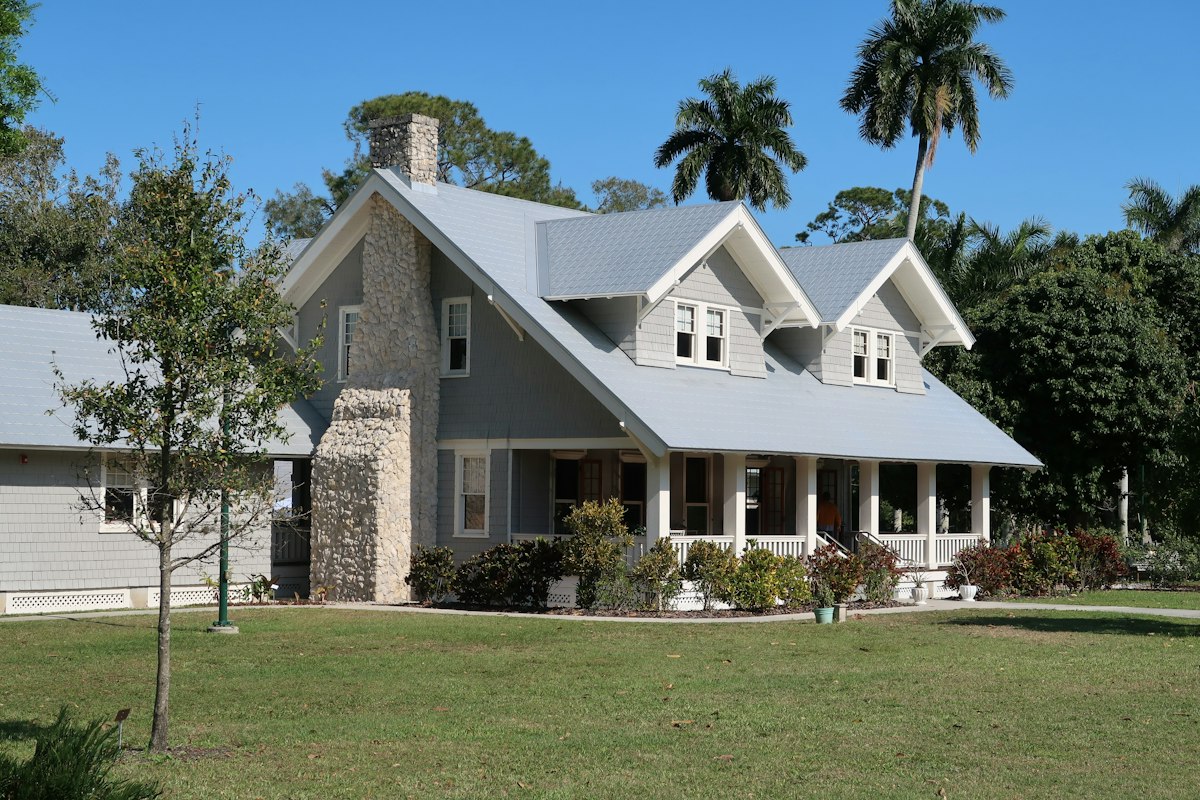
Cover photo: St Aug Fullerwood Park16 by Ebyabe, CC BY-SA 3.0, via Wikimedia Commons.
Categories
- All Blogs (1032)
- Buyer Questions (10)
- Buyer Resources (14)
- Communities (8)
- Cost of Living (6)
- Insurance & Risk (1)
- Jacksonville / St. Johns County (3)
- Joey Studies The Market (1)
- Local Area Happenings (1)
- Local Favorites (236)
- Market Intelligence (236)
- Market Update (3)
- Nocatee (2)
- Northeast Florida Market (1)
- Our Communities (4)
- Questions Buyer Are Asking (23)
- Questions Sellers Are Asking (35)
- Real Estate Done Right (10)
- Relocation (1)
- Relocation Guides (225)
- Retirement Planning (4)
- Seller Resources (3)
- The Florida Life (225)
Recent Posts