
Heated Square Footage vs. Under Roof: Why Florida Listings Confuse Northern Buyers

Why does a Florida listing say 2,100 square feet when the house feels so much bigger?
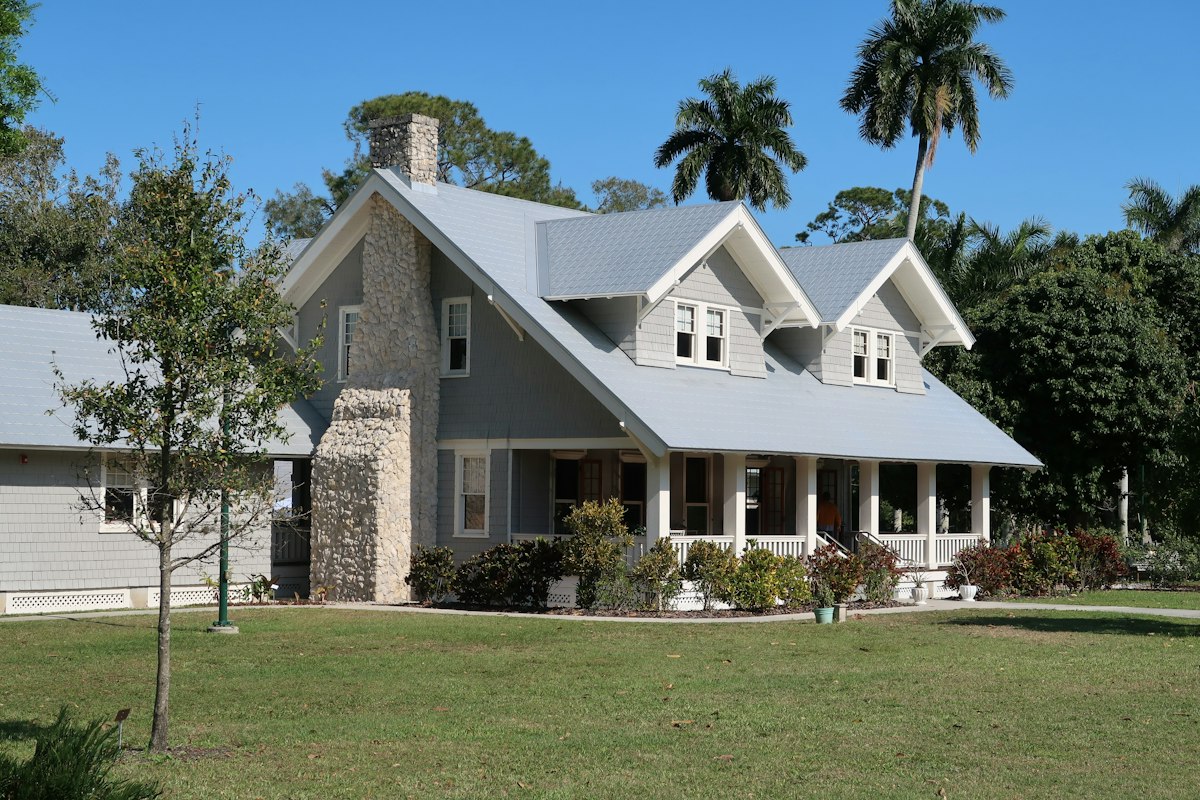
You are standing in a home in Nocatee with the sliders open to a screened lanai the size of your old living room, a three-car garage, and a covered front porch with two rocking chairs. The listing said 2,100 square feet. Your house in Pennsylvania was 2,400, and this one feels bigger. Then you remember your Pennsylvania number counted a finished basement, and this Florida number is not counting any of the outdoor rooms you are standing in. You and your spouse look at each other and realize you have been comparing two completely different measurements for a month.
Florida listings and county property records report heated and cooled living area, which excludes garages, lanais, screened porches, covered patios and unconditioned bonus spaces. Total area under roof is usually much larger. Because Northeast Florida homes are built around outdoor living, the gap between the listed square footage and the usable space can be substantial, and northern buyers who compare Florida living area to a home that counted a finished basement or enclosed porch often misjudge what they are getting.
What the number on the listing means
In Florida, the square footage you see on an MLS listing or a county property appraiser record is almost always heated and cooled living area, sometimes labeled living area, heated area or under air. It counts the rooms served by the home's air conditioning and heating system. It does not count the garage, the lanai, a screened or covered porch, an open patio, an unconditioned storage room or a non-air-conditioned bonus room over the garage.
Many listings also show a second figure, total area or under roof, which includes those covered spaces. The gap between the two can easily be several hundred square feet in a typical St. Johns County home, and much more in a home with a large lanai and a three-car garage.
Why Florida homes make the gap bigger
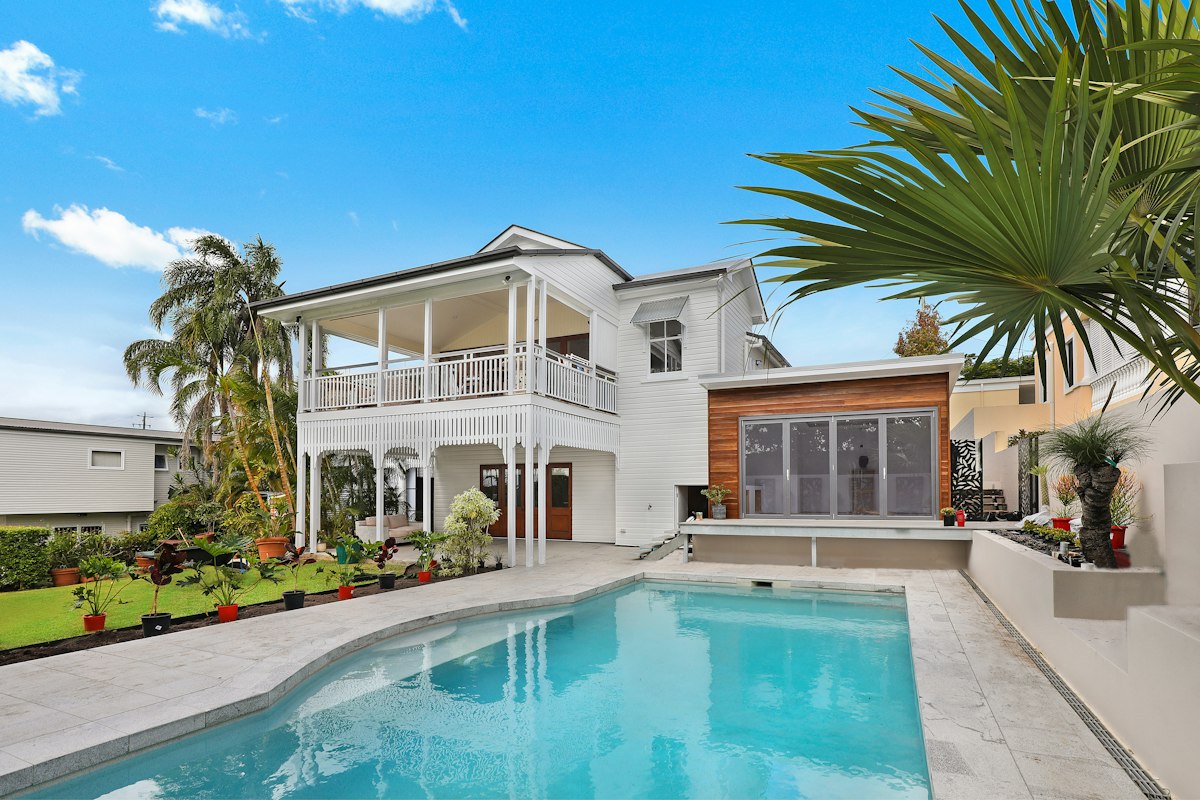
Northern homes put their extra space inside: basements, attics, enclosed sunrooms. Florida homes put it outside under a roof. A covered and screened lanai in Ponte Vedra Beach or RiverTown functions as a living room, dining room and sometimes kitchen for much of the year, and the garage often doubles as a workshop or storage area because there is no basement.
None of that is in the heated square footage. So a Florida home can live much larger than its number suggests, and a buyer who has been filtering a search by minimum square footage may be excluding homes that would actually feel more spacious than what they own now.
How appraisers and buyers treat the difference
Appraisers value heated living area at one rate and covered, unconditioned space at a lower rate, which is why two homes with similar total footprints can appraise differently depending on how much of the space is under air. A seller who encloses and air-conditions a lanai can convert low-value space into higher-value living area, which is one reason lanai enclosures are a common Florida renovation. Permits matter here; unpermitted conversions may not be counted at all.
Buyers, especially those relocating from colder states, tend to under-weight the outdoor rooms until they have lived with them. Within a year, most Northeast Florida homeowners describe the lanai as the most-used room in the house. Pricing by heated square footage alone misses that.
Shopping Northeast Florida homes from out of state?
Square footage filters hide a lot of good homes. Joey can translate the Florida numbers into what you are used to and show you homes that live the way you want to live, not just the way the listing counts.
Call or text Joey Larsen: 904-863-6679
or visit RetireMeToFlorida.com
The basement problem
Here is the most common mismatch. A buyer from Ohio owns a 2,400-square-foot home and wants at least that much in Florida. But their 2,400 included a finished basement. Strictly speaking, most northern appraisal standards report below-grade space separately too, but many sellers and listing sites fold it in, and the homeowner thinks of it as part of the house. In Florida, there is no basement, so the equivalent home has a smaller heated number and a bigger garage and lanai. Comparing 2,400 to 2,100 is comparing apples to a different fruit.
The fix is to think in rooms and uses rather than totals. How many bedrooms, how large a main living area, how much outdoor covered space, how much garage. Then ask whether the layout fits the way you live now and the way you plan to live in retirement, which usually means more outdoor time and less basement time.
What sellers should know
If you are selling in Northeast Florida, make sure your listing's heated square footage matches county records or a recent measurement, because discrepancies invite appraisal and buyer questions. Show the total area under roof as well, and photograph the lanai and outdoor spaces as rooms, because that is how the next owner will use them. A home in Palencia or Shearwater with a 400-square-foot covered lanai is selling a room, not a patio.
If you have enclosed or conditioned a lanai, confirm that permits were pulled and that the county's record reflects the added living area. That paperwork directly affects your appraisal.
Reading price per square foot carefully
Price per square foot is a favorite shorthand, and in Florida it is almost always computed on heated area. That means a home with a huge lanai, a pool and a three-car garage can show a high price per square foot and still be a good value, because the number ignores everything that makes the property special. Use it as one data point among several, and always ask which square footage the number is based on.
Frequently Asked Questions
What does heated square footage mean in Florida?
The area of a home served by its heating and cooling system, which excludes garages, lanais, porches, patios and unconditioned bonus spaces. It is the standard figure on Florida listings and county property records.
Does the square footage on a Florida listing include the lanai or garage?
Not in the heated living area figure. Many listings show a separate total area or under roof number that includes covered outdoor spaces and the garage.
Why do Florida homes feel larger than their listed square footage?
Because the lanai, covered porches and garage are used as living and working space year-round but are not counted in heated area. Homes in Nocatee, Ponte Vedra Beach and St. Johns County are designed around that outdoor space.
Does enclosing a lanai add value?
Converting a lanai to permitted, air-conditioned living area can increase appraised value because heated space is valued higher than covered unconditioned space. Unpermitted conversions may not be credited, and some buyers prefer the open lanai, so the decision depends on the home and the market.
Search Northeast Florida Homes
Browse active listings across Northeast Florida -- from master-planned communities in Nocatee, RiverTown, Tributary, and St. Johns County to coastal homes in Ponte Vedra Beach, Jacksonville Beach, Neptune Beach, and Atlantic Beach.
What To Do Right Now
If you have been filtering listings by a square footage number from your northern home, loosen it and look at a few Florida homes in person. Then let's talk about what you actually need room for.
Call or text Joey Larsen at 904-863-6679, or visit RetireMeToFlorida.com to get started.
Categories
- All Blogs (1032)
- Buyer Questions (10)
- Buyer Resources (14)
- Communities (8)
- Cost of Living (6)
- Insurance & Risk (1)
- Jacksonville / St. Johns County (3)
- Joey Studies The Market (1)
- Local Area Happenings (1)
- Local Favorites (236)
- Market Intelligence (236)
- Market Update (3)
- Nocatee (2)
- Northeast Florida Market (1)
- Our Communities (4)
- Questions Buyer Are Asking (23)
- Questions Sellers Are Asking (35)
- Real Estate Done Right (10)
- Relocation (1)
- Relocation Guides (225)
- Retirement Planning (4)
- Seller Resources (3)
- The Florida Life (225)
Recent Posts