
Fort George Island and the Ribault Club: A Thanksgiving Drive Through 6,000 Years of History

Need somewhere to drive after the turkey?
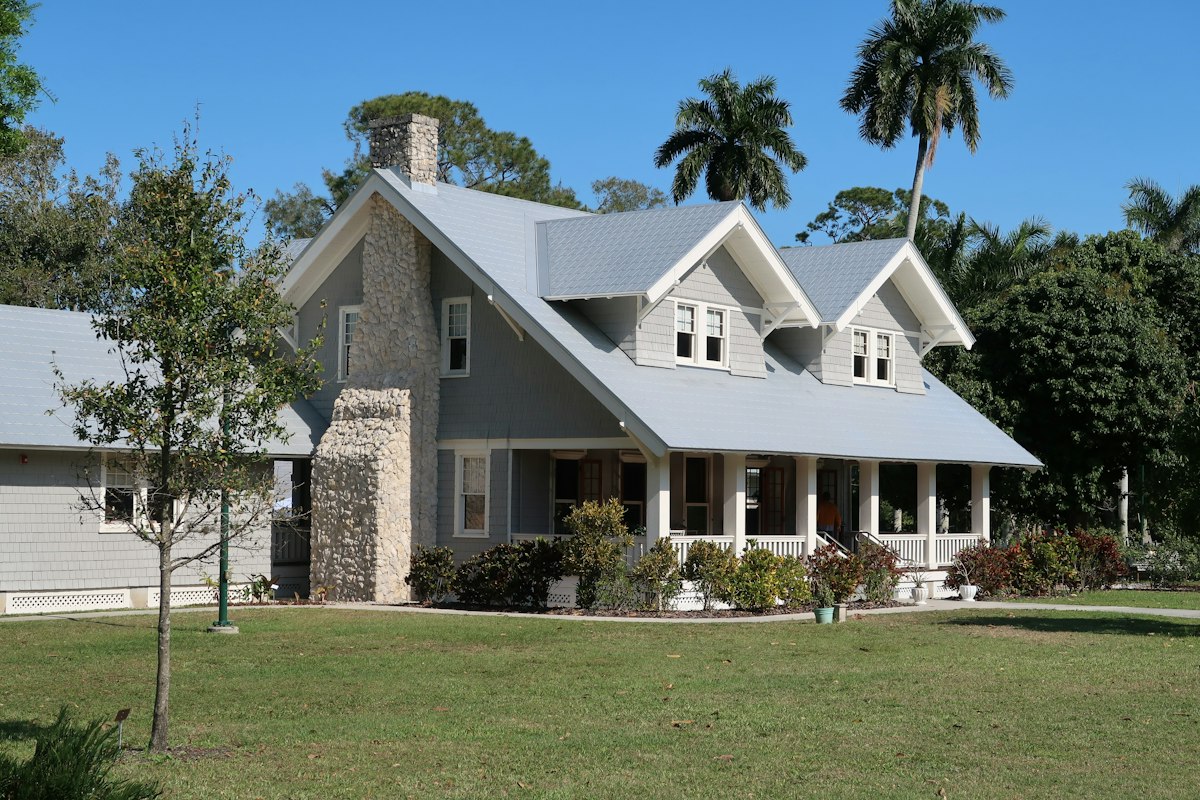
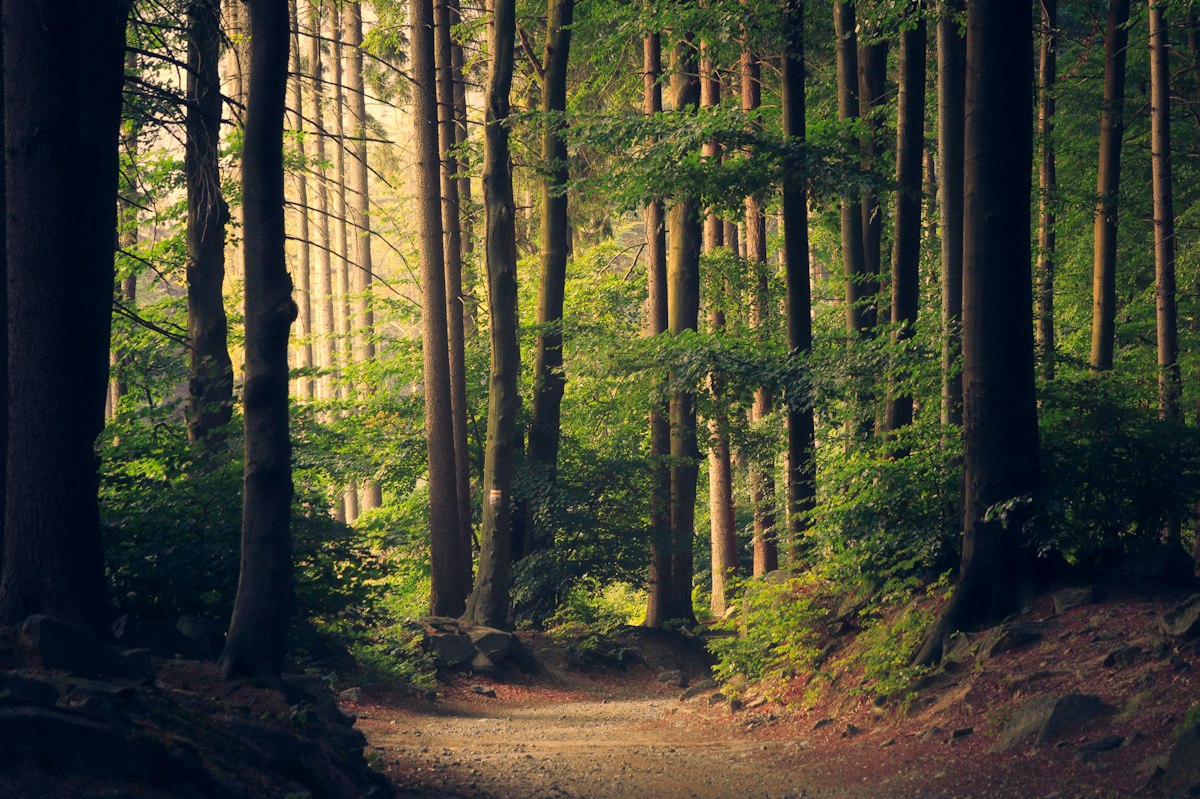
It is the middle of a Thanksgiving afternoon and the house is full. Somebody wants a nap, somebody wants the game, and you want an hour of air. So you take the car north on A1A through the Beaches, pull into the line at the Mayport ferry, and five minutes later you are rolling off the ramp onto Fort George Island with the windows down. The pavement turns to a shell-and-dirt loop under live oaks so big they meet overhead. At the end of a long drive there is a white Colonial Revival clubhouse with green shutters and rocking chairs on the porch, built for Jazz Age millionaires who came south for the winter. On a weekday it is a visitor center. Today, on the holiday, the doors are closed, but the island, the oaks and the river are open until sunset, and they are the reason you came.
Fort George Island Cultural State Park sits at the mouth of the St. Johns River in far northeast Jacksonville, about 45 minutes from Ponte Vedra Beach by way of the Mayport ferry. The park is free and open from 8 a.m. to sunset every day of the year. Its centerpiece is the Ribault Club, a 1928 winter resort clubhouse that now serves as the island's visitor center, open Wednesday through Sunday from 9 a.m. to 5 p.m. and closed on Thanksgiving and Christmas. The 4.4 mile Saturiwa Trail loop road, Kingsley Plantation and the Timucuan Preserve share the same small island.
An island with 6,000 years of tenants
Fort George Island is about five miles long and roughly 500 acres, a hump of high ground between the St. Johns River, the Fort George River and the marsh. People have lived on it for a very long time. The Timucua chiefdom of Saturiwa had a village called Alicamani here, and the oyster shells they piled up over centuries were later burned into tabby, the lime concrete you can still see in the island's oldest walls. Spanish friars built the mission of San Juan del Puerto on the island in the late 1500s; one of them, Francisco Pareja, wrote the first books in the Timucua language here. The mission was destroyed in 1702.
The name comes from the British. In 1736 James Oglethorpe, the founder of Georgia, built a fort on the island to watch the Spanish in St. Augustine and called it Fort George. It was torn down, and nobody is certain exactly where it stood. During the British period, from 1763 to 1783, planters began clearing the island, and in 1814 Zephaniah Kingsley bought it and ran the plantation whose main house and slave quarters are preserved today by the National Park Service at Kingsley Plantation on the island's north end. That part of the story is hard, and the Park Service tells it honestly; it deserves its own visit.
The hotel that burned and the club that replaced it
After the Civil War, Fort George Island became a resort. The Fort George Hotel opened in 1875 for northern tourists arriving by steamboat, and it burned in 1889. It was never rebuilt. By then the railroad had reached St. Augustine and Henry Flagler's hotels were the new draw, a hard freeze in 1895 killed the orange groves, and a yellow fever epidemic in 1897 scared off whoever was left.
Three decades later the island got a second act. In 1928 a group of wealthy winter residents built the Ribault Inn Club on the hotel's old site, a Colonial Revival clubhouse credited to the architects Maurice Fatio and Mellen Clark Greeley, named for Jean Ribault, the French explorer who first saw the St. Johns in 1562. Members came for golf, tennis, hunting, fishing and yachting through the winter social season. The club's heyday was short, and the building spent decades in private hands before the state stepped in.
The State of Florida acquired the land in 1989 and made it Fort George Island Cultural State Park. The Ribault Club was added to the National Register of Historic Places on May 11, 2000, and after restoration it reopened as the park's visitor center, with exhibits on the island's history, a porch full of rocking chairs and a ballroom that is now one of the more popular wedding venues in Northeast Florida.
What you actually do there
The main thing people do is drive, slowly. The Saturiwa Trail is the island's loop road, about 4.4 miles, mostly packed dirt and shell under a canopy of oaks and palms. The Park Service publishes a free audio tour with 23 numbered stops that begins at the Ribault Club and follows the road past the sites of the mission, the hotel, the plantation fields and the shell middens. You can download it before you go or pick up a transcript at the Kingsley Plantation visitor contact station. The drive takes 20 minutes if you do not stop and an hour if you do. Parts of the road can flood at very high tides or after heavy rain, so go slow and turn around if the water is over the shell.
You can also walk or bike the same loop, which is how a lot of locals use it; there is almost no traffic, and the trees do most of the work of keeping you cool. The island's high point, Mount Cornelia, is a wooded dune that the island's Wikipedia page describes as the highest point on the Atlantic coast south of New Jersey, a claim locals enjoy repeating. There is a kayak launch at the Ribault Club for the Fort George River, and the Timucuan Preserve's marsh is a few paddle strokes away.
Point Isabel, at the island's southeast corner, is where people go for sunrise. The trail from the parking area is short and ends in a sea breeze and a view across the marsh toward the Atlantic. Pets are welcome on the trails and the drive, though not inside the club.
Picturing a life where this is a Thursday afternoon drive?
Joey helps out-of-state buyers compare the Beaches, Ponte Vedra Beach and Nocatee by what their ordinary weeks will look like, not just by price per square foot.
Call or text Joey Larsen: 904-863-6679
or visit RetireMeToFlorida.com
Hours, fees and the holiday
The park itself is free and open 8 a.m. to sunset, 365 days a year, at 11241 Fort George Road. The Ribault Club is open Wednesday through Sunday, 9 a.m. to 5 p.m., and closes on Thanksgiving Day and Christmas Day. So if you are reading this on Thanksgiving with the family in the car, the island, the loop road, the trails and the river are all yours; the clubhouse exhibits and restrooms will be waiting on Friday. Kingsley Plantation, the Park Service site at the north end, keeps its own schedule and is worth checking before you go. Little Talbot Island State Park, just across the bridge to the north, charges a per-vehicle entry fee; Fort George Island does not.
The Thanksgiving weekend is honestly one of the best times of year to be here. The air is dry, the mosquitoes are gone, the oaks are green and the river is calm. Bring water and a hat anyway; there is no concession on the island.
Getting there from where you might live
From Ponte Vedra Beach, take A1A north through Jacksonville Beach, Neptune Beach and Atlantic Beach to Mayport, and ride the St. Johns River Ferry across to Fort George Island; the crossing is about five minutes and the ferry carries cars for a small fare. The whole trip is about 45 minutes, and the ferry ride alone is worth it to a visiting grandchild. From Nocatee or the northern St. Johns County communities, figure about an hour, either by the ferry or by I-295 and Heckscher Drive around the north side of the river. From Amelia Island it is a half-hour drive south on A1A, with the Talbot Islands on the way.
If you want to make a day of it, pair the island with the fishing pier and beach at Huguenot Memorial Park next to the ferry landing, or with the marsh trails at Dutton Island Preserve in Atlantic Beach on the way back south. Our guide to the Amelia Island Lighthouse covers the next stop north.
Frequently Asked Questions
Where is Fort George Island Cultural State Park?
It is at 11241 Fort George Road in far northeast Jacksonville, Florida, at the mouth of the St. Johns River, directly across the river from Mayport by the St. Johns River Ferry and just south of Little Talbot Island. It is about 45 minutes from Ponte Vedra Beach and about an hour from Nocatee, depending on the ferry schedule.
Is the Ribault Club open on Thanksgiving?
No. The Ribault Club visitor center is open Wednesday through Sunday from 9 a.m. to 5 p.m. and is closed on Thanksgiving Day and Christmas Day. The park grounds, the Saturiwa Trail loop road and the trails stay open from 8 a.m. to sunset every day, including holidays, and admission is free.
What is the Saturiwa Trail?
It is the roughly 4.4 mile loop road around Fort George Island, a narrow dirt and shell road under live oaks that you can drive, bike or walk. A free 23-stop audio tour from the National Park Service starts at the Ribault Club and explains the island's Timucua, Spanish, British, plantation and resort history along the way.
Can you get married at the Ribault Club?
Yes. The restored 1928 clubhouse is a popular wedding and event venue in addition to its daytime role as the park's visitor center. Bookings go through the Florida Park Service; check the park's website for current rental information.
Is Kingsley Plantation the same place?
Kingsley Plantation is on the north end of the same island but is a separate National Park Service site within the Timucuan Ecological and Historic Preserve, with its own hours. Plan it as a second stop on the same drive.
Search Northeast Florida Homes
Browse active listings across Northeast Florida, from the Jacksonville Beaches and Amelia Island to Ponte Vedra Beach, Nocatee and St. Johns County.
What To Do Right Now
- Download the National Park Service Saturiwa Trail audio tour to your phone before you lose signal under the oaks.
- Check the St. Johns River Ferry schedule and bring a few dollars for the crossing; it is the best five minutes of the trip.
- Go on a Wednesday through Sunday if you want the Ribault Club exhibits and the porch; go any day for the drive, the trails and Point Isabel at sunrise.
- Call or text Joey Larsen at 904-863-6679, or visit RetireMeToFlorida.com, to compare the Beaches, Ponte Vedra Beach and Nocatee by the life you would actually live there.
Cover photo: Ribault Club on Fort George Island by Mwanner, CC BY-SA 3.0, via Wikimedia Commons.
Categories
- All Blogs (1032)
- Buyer Questions (10)
- Buyer Resources (14)
- Communities (8)
- Cost of Living (6)
- Insurance & Risk (1)
- Jacksonville / St. Johns County (3)
- Joey Studies The Market (1)
- Local Area Happenings (1)
- Local Favorites (236)
- Market Intelligence (236)
- Market Update (3)
- Nocatee (2)
- Northeast Florida Market (1)
- Our Communities (4)
- Questions Buyer Are Asking (23)
- Questions Sellers Are Asking (35)
- Real Estate Done Right (10)
- Relocation (1)
- Relocation Guides (225)
- Retirement Planning (4)
- Seller Resources (3)
- The Florida Life (225)
Recent Posts