
Your First Freeze Warning in Northeast Florida: Plants, Pipes, Pets and the Pool
What Do You Do the Night the Phone Says "Freeze Warning"?
It usually shows up on your phone around dinner. You are in shorts, the lanai door is cracked, and a weather alert slides down the screen telling you it is going to drop below freezing in Nocatee tonight. You laugh a little, because you moved here partly to stop thinking about freezing. Then you look out at the hibiscus you planted in October and the pool equipment humming by the fence, and the laugh gets a little thinner.
Here is the good news. A Northeast Florida freeze is not a Midwest freeze. It is usually a few hours before sunrise, it is usually over by lunch, and you can handle almost all of it in about twenty minutes if you know what to cover and what to leave alone. Nobody tells you this stuff when you close on the house, so let us walk through it.
Freezes in Northeast Florida are usually short, overnight events that end by midmorning. On a freeze warning night, cover tender plants down to the ground, protect exposed outdoor pipes and irrigation backflow devices, bring pets and potted tropicals inside, and make sure your pool equipment has freeze protection or keeps water circulating. Most homes in St. Johns, Duval and Nassau counties come through fine with a little prep.
Why a Florida Freeze Catches Northern Transplants Off Guard
Up north, your house was built for winter. Pipes ran inside insulated walls, the hose bib had a shutoff in the basement, and you drained everything in October without thinking. Your Florida house was built for heat. That is the whole difference.
A lot of homes in St. Johns County and around Jacksonville have plumbing that runs closer to the outside of the house. Irrigation backflow preventers sit out in the yard, often right by the front walk. Pool pumps and filters live outside in the open. Nothing about that is a problem 360 nights a year. It just means the handful of cold nights deserve a little attention.
The other thing is timing. Cold air in Northeast Florida usually arrives behind a front, and the coldest part of the night is right before sunrise. Inland spots like RiverTown, Tributary and western St. Johns County can run noticeably colder than Ponte Vedra Beach or Atlantic Beach, where the ocean keeps things milder. Same county, different night.
Plants: What to Cover and How to Do It Right
This is where most people lose something the first winter. The tropicals that make a Florida yard look like Florida are the ones that hate the cold. Hibiscus, bougainvillea, crotons, many palms when they are young, and most of your potted stuff will complain. Native plants and established shrubs usually shrug it off.
The trick that most newcomers miss is that you cover a plant to trap the warmth coming up from the ground. So the cover has to go all the way down to the soil, not just drape over the top like a hat. Old bedsheets, frost cloth from the garden center or moving blankets all work. Avoid plastic touching the leaves, because it can make the damage worse.
- Water your beds the afternoon before. Moist soil holds heat better than dry soil.
- Bring potted tropicals into the garage or the house.
- Pull the covers off in the morning once it warms up so plants do not cook under them.
And if something gets bit anyway, do not rush out and prune it the next day. Brown leaves look ugly, but they protect what is underneath if another cold night comes. Most locals wait until the cold season is clearly over before they cut back.
Wondering How Your Next Home Would Handle a Cold Snap?
Some floor plans, lots and pool setups are easier to live with in winter than others. Happy to walk you through what to look for before you buy.
Call or text Joey Larsen: 904-863-6679
or visit RetireMeToFlorida.com
Pipes, Hose Bibs and the Backflow Preventer by the Sidewalk
Indoor pipes in a typical Northeast Florida home are rarely the issue on a short freeze. The exposed stuff is. Walk your yard once in daylight so you know where everything is before you ever need it.
Disconnect garden hoses from the spigots. Wrap exposed pipes and that above-ground irrigation backflow assembly with towels, foam pipe insulation or an insulated cover made for it. A lot of homeowners keep one in the garage just for this. If you have an irrigation system, turn the controller off so it does not run at 5 a.m. and coat your driveway and sidewalk in ice. That one surprises people every single year.
Some folks also let an outdoor faucet drip overnight. That is a reasonable call on the coldest nights, but talk with a local plumber if you are unsure about your specific setup.
The Pool: Keep the Water Moving
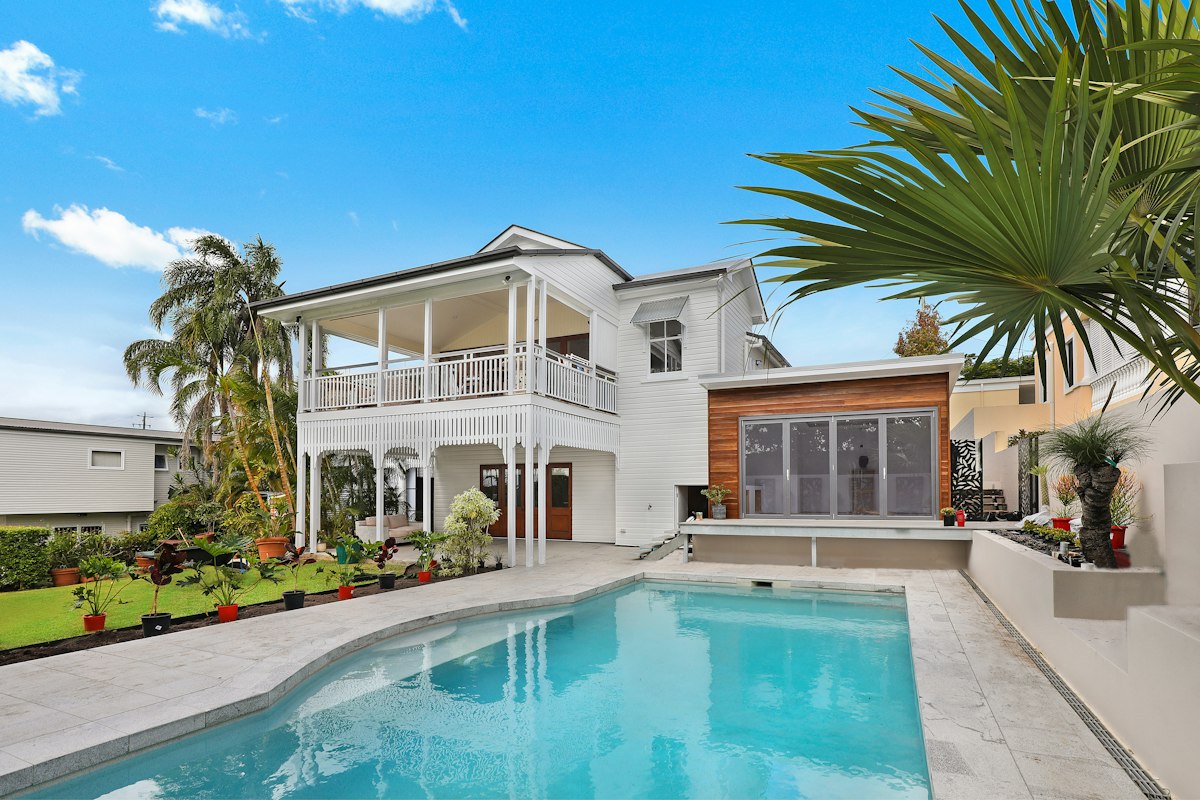
If you have a pool, this is the part to get right. Moving water is much harder to freeze than still water, and the equipment is what is at risk, not the pool itself.
Many modern pool systems have a built-in freeze protection setting that kicks the pump on when the air temperature drops. Check yours before the first cold night, not during it. If you are not sure, ask your pool service. If you have no automation, running the pump overnight on a freeze warning night is the common move. If you have a pool heater, you may decide it is worth running too, but that is a comfort and budget decision more than a safety one.
If the power goes out during a freeze, that changes the math. That is rare here, but it is worth knowing where your equipment drains are just in case.
Pets, Patio Stuff and the Car Nobody Thinks About
Your dog does not have a northern coat anymore, and neither do you. Bring outdoor pets in. Check on outdoor cats in the neighborhood if you are the type, because plenty of folks are.
Grab the outdoor cushions, potted herbs and anything with a water reservoir. If you keep a golf cart in Nocatee or Del Webb, the batteries do not love deep cold, so park it in the garage if you can.
Then enjoy it. A freeze night is one of the few times you get to light the fire pit, pull out the sweatshirt you almost did not pack, and remember why you moved here when it is 65 and sunny two days later.
The Morning After
By midmorning, it is usually over. Pull the covers off the plants. Turn the irrigation controller back on. Check that the pool pump went back to its normal schedule. Take a lap around the house and look at the backflow preventer and any exposed pipes for cracks or drips.
That is it. The first one feels like a big deal. By the third winter, you will do the whole routine in fifteen minutes and go to bed.
Frequently Asked Questions
How often does it freeze in Northeast Florida?
Not often. Most winters bring a handful of cold nights, and some winters barely bring any. Freezes are usually short and overnight, and inland areas tend to get them more often than the beaches.
Do I need to drip my faucets in Florida?
Indoor faucets usually do not need it on a short freeze in most Northeast Florida homes. Exposed outdoor pipes and backflow preventers are the priority. If your home has plumbing in an unusual spot, ask a local plumber.
Will a freeze hurt my pool?
The pool shell itself is rarely the issue. The pump, filter and plumbing are what need protection, which is why keeping water moving overnight or relying on freeze protection mode matters.
Should I cut back plants that got freeze damage?
Most locals wait. Damaged leaves help protect the plant if another cold night comes, so pruning is usually saved for after the cold season ends.
Search Northeast Florida Homes
Browse active listings across Northeast Florida -- from master-planned communities in Nocatee, RiverTown, Tributary, and St. Johns County to coastal homes in Ponte Vedra Beach, Jacksonville Beach, Neptune Beach, Atlantic Beach, and Amelia Island.
What To Do Right Now
If you are planning a move and want a home that is easy to live with in every season, from the lot to the pool setup, let us talk through what you are looking at.
Call or text Joey Larsen at 904-863-6679, or visit RetireMeToFlorida.com to get started.
Categories
- All Blogs (1032)
- Buyer Questions (10)
- Buyer Resources (14)
- Communities (8)
- Cost of Living (6)
- Insurance & Risk (1)
- Jacksonville / St. Johns County (3)
- Joey Studies The Market (1)
- Local Area Happenings (1)
- Local Favorites (236)
- Market Intelligence (236)
- Market Update (3)
- Nocatee (2)
- Northeast Florida Market (1)
- Our Communities (4)
- Questions Buyer Are Asking (23)
- Questions Sellers Are Asking (35)
- Real Estate Done Right (10)
- Relocation (1)
- Relocation Guides (225)
- Retirement Planning (4)
- Seller Resources (3)
- The Florida Life (225)
Recent Posts