Fall Color in Northeast Florida: Cypress, Marsh and Soft Light
Does Northeast Florida Really Have Fall Color?
You are standing at the edge of a quiet lake in late November, coffee going lukewarm in your hand, and something across the water catches your eye. A row of trees has gone the color of rust. Not a loud red, not the blaze you grew up with in Ohio or Pennsylvania. A warm, coppery brown that looks almost lit from inside when the morning sun hits it.
If you have ever told yourself that moving to Florida means giving up autumn, this is worth a slow look. Fall color here exists. It is just quieter, and it asks you to pay attention.
Northeast Florida does not do the mountain-postcard version of fall, but it has its own. Bald cypress turn a rusty orange-brown, sweetgum and maples add patches of yellow and red, and marsh grass takes on a golden glow in low light. You can notice all of it from lakes, preserves and parks around Nocatee, RiverTown and Amelia Island.
Why it looks different here
Let's be fair to the Northeast and Midwest. Nothing in Florida replaces a hillside of sugar maples in October. If that is the picture in your head, you will be disappointed.
But if you let go of that comparison, there is plenty to enjoy. A good share of the landscape here is evergreen, so the color shows up as accents rather than a full wash. A single sweetgum can turn a whole street corner yellow, orange and burgundy in the same week, and it stands out precisely because the pines and live oaks around it stay green.
Timing is softer too. Instead of one dramatic peak, color tends to drift in over several weeks, usually from November into December. Think of it as a slow dimmer switch rather than a light being flipped on.
Weather changes the details from year to year, so treat any timing as a loose guide, not a promise.
The bald cypress is the star
If you want one tree to look for, make it the bald cypress. It is a conifer that drops its needles in the cooler months, and before it does, the foliage shifts to a rusty orange and brown.
You will see them along the edges of ponds, lakes and swampy ground. In communities like RiverTown, Tributary and Silverleaf, where water and preserved green space are part of the landscape, it is worth glancing at the shoreline instead of the sidewalk.
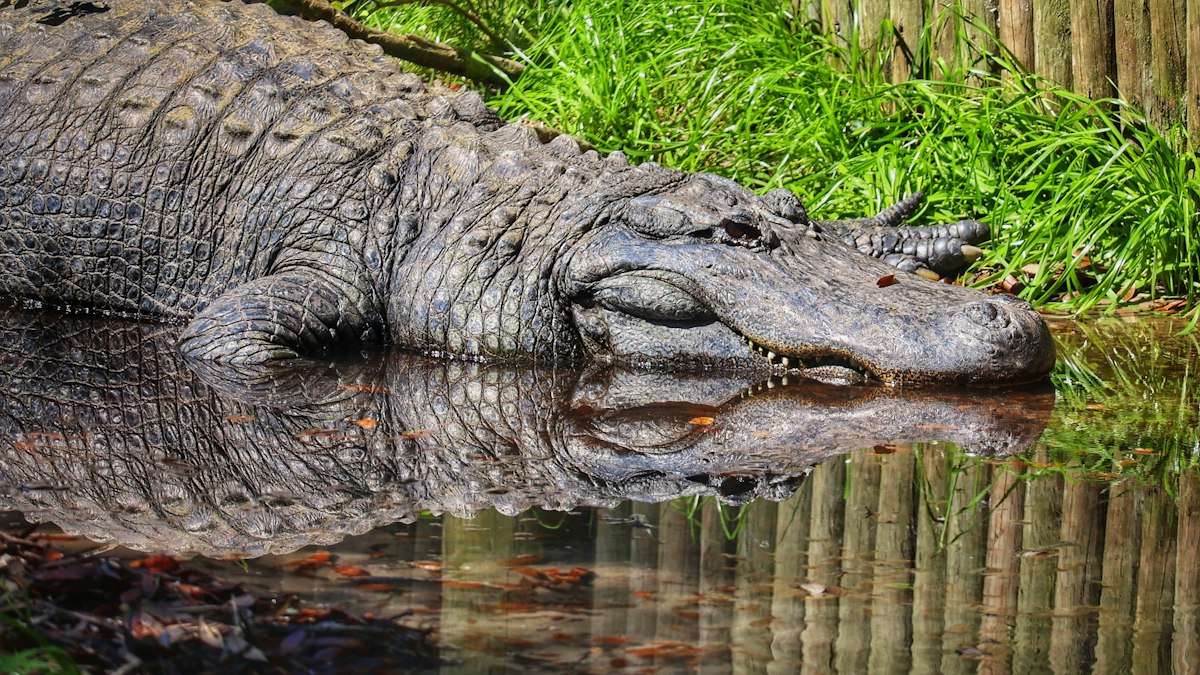
They are especially pretty reflected on still water. On a calm morning the tree and its mirror image look like a single painting, with Spanish moss hanging soft over the top.
Once the needles fall, the branches go bare and feathery. That is its own kind of winter picture, and many people find it as appealing as the color that came before.
Want to see this for yourself?
A November visit is a great way to compare lakes, preserves and marsh views across Nocatee, RiverTown, Amelia Island and the beaches. If you have a home up north to sell, or equity here you are thinking about putting to work, Joey can help you map out the timing.
Call or text Joey Larsen: 904-863-6679
or visit RetireMeToFlorida.com
Sweetgum, maples and the small surprises
Sweetgum is the one that surprises newcomers. Its star-shaped leaves can turn yellow, orange, red and purple, sometimes all on one tree. You may spot them in older neighborhoods, along trails and at the edges of parks.
Red maples show up in wetter, shadier spots and can add a flash of red or orange. They are not everywhere, which is part of the fun. A glimpse feels earned.
Then there are the little things. A vine on a fence turning crimson. Dogwood or other understory leaves going soft purple. Pale grasses along a pond edge that look bleached and warm at the same time.
You will probably find your own list after a season or two. Locals tend to have a favorite corner that they check every November, the way people up north have a favorite overlook.
Marsh grass and the light that does the work
The most Florida version of fall color might not be a leaf at all. Head toward the salt marsh near the Intracoastal in Ponte Vedra Beach, Jacksonville's beaches or Fernandina on Amelia Island, and watch what the low autumn sun does to the grass.
Cooler months bring a shift in the marsh. The green fades toward gold and tan, and when the sun drops lower in the afternoon, the whole flat landscape glows. Add a heron standing in the shallows and a thin line of clouds, and you have an evening that does not need any leaf color at all.
Late afternoon is the sweet spot. The light comes in sideways and everything that is already golden gets warmer. Bring a camera if you like, but plan to put it down at some point and just stand there.
Tides change the look from hour to hour, so if you love a particular view, try it more than once.
Where to notice it without a plan
You do not need a special trip. Fall color here tends to reward ordinary routines done a little more slowly.
Walk a lake loop or a neighborhood trail in Nocatee, Palencia or Shearwater and look at the water's edge. Drive a stretch of road lined with older hardwoods and glance up. Visit a local or state park or preserve, check its official site for current hours and conditions, and take the boardwalk or nature trail at an easy pace.
Early morning gives you mist and soft light. Late afternoon gives you gold. Midday is fine for a walk, but the color flattens out.
If you are visiting from up north, build in a couple of unscheduled hours. Fall color in this part of Florida is more of a mood than a destination, and it shows up when you are not rushing.
What it means if you are planning a move
Some people worry they will miss the seasons. That is a fair thing to think about, and it deserves a real answer instead of a pep talk.
Here, the seasons are quieter. You get a cool snap, a change in light, a few trees putting on a show, and then you are pulling on a light jacket for a fire-pit evening instead of scraping a windshield. Many people find they stop missing the shoveling and start enjoying the subtle things.
If you are two to five years from retiring, try visiting in November at least once. Walk a few neighborhoods, sit by a pond and see whether the quieter version of fall works for you.
If you already live in St. Johns County and are thinking about a different setting, such as a lot with more water or preserve behind it, this is a good time of year to see how a view really feels.
Frequently Asked Questions
Does Northeast Florida get real fall foliage?
It gets a quieter version. Bald cypress, sweetgum and some maples change color, usually from November into December, but it is not the full-hillside display you may know from up north.
What is the best tree to look for?
The bald cypress. Its needles turn a rusty orange-brown in the cooler months, and it looks especially good beside still water.
When should I visit to see it?
Late November is a reasonable starting point, though timing varies with the weather each year. A visit that spans a couple of weeks gives you better odds.
Where do I go to see fall color?
Start with lake edges, nature trails, parks and preserves, and look at salt marshes in late afternoon. Check each park's official site for current hours and conditions before you go.
Search Northeast Florida Homes
Browse active listings across Northeast Florida, from master-planned communities in Nocatee, RiverTown, Tributary, and St. Johns County to coastal homes in Ponte Vedra Beach, Jacksonville Beach, Neptune Beach, Atlantic Beach, and Amelia Island.
What To Do Right Now
Fall color here will not shout at you, and that is part of the appeal. If a quieter autumn sounds like something you could love, let's talk about where it would fit best.
Call or text Joey Larsen at 904-863-6679, or visit RetireMeToFlorida.com to get started.
Categories
- All Blogs (903)
- Buyer Questions (10)
- Buyer Resources (14)
- Communities (8)
- Cost of Living (6)
- Insurance & Risk (1)
- Jacksonville / St. Johns County (3)
- Joey Studies The Market (1)
- Local Area Happenings (1)
- Local Favorites (203)
- Market Intelligence (204)
- Market Update (3)
- Nocatee (2)
- Northeast Florida Market (1)
- Our Communities (4)
- Questions Buyer Are Asking (23)
- Questions Sellers Are Asking (21)
- Real Estate Done Right (10)
- Relocation (1)
- Relocation Guides (196)
- Retirement Planning (4)
- Seller Resources (3)
- The Florida Life (204)
Recent Posts