
Castillo de San Marcos: Walking Inside America's Oldest Masonry Fort in St. Augustine
Ever Stood Inside a Fort That Has Been There Since the 1600s?
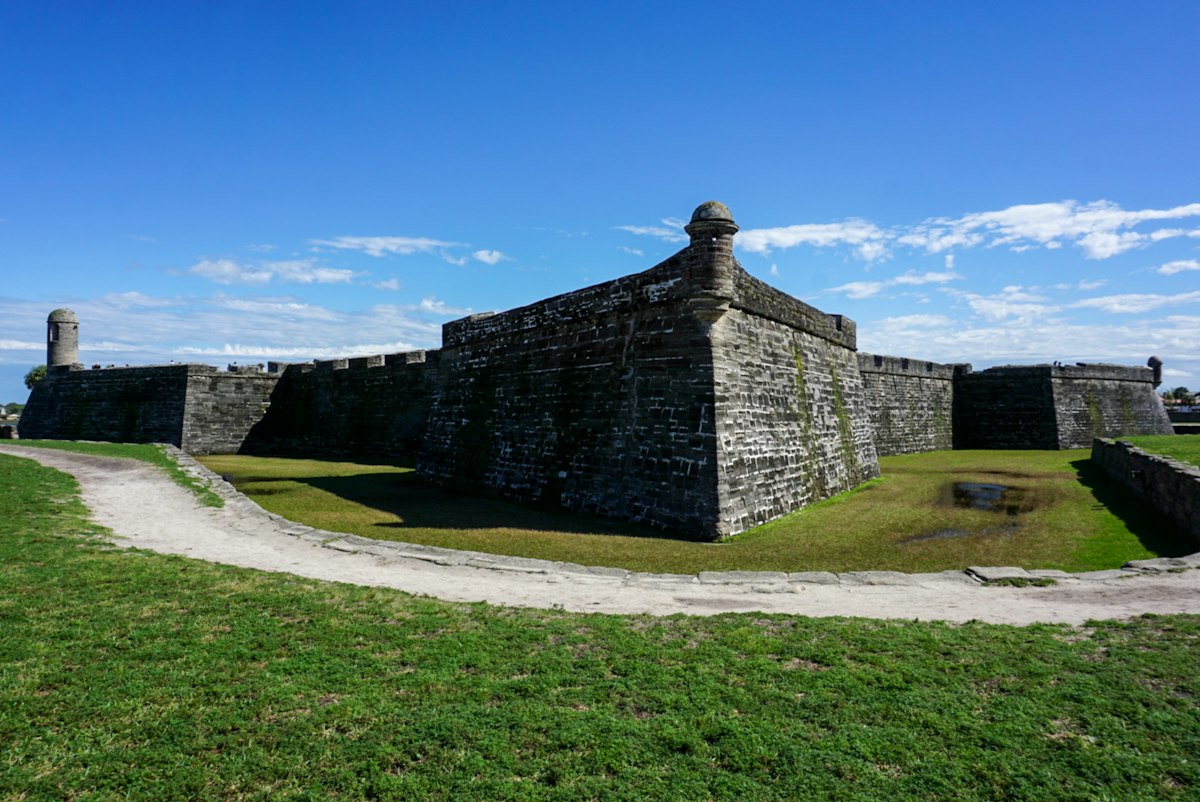
You cross the bridge over the moat and the air changes. The walls rise on both sides, pale and rough, studded with tiny shells. Your footsteps echo in the passage as you walk through the gate. Inside, the courtyard opens up under a wide blue sky, and for a second you can hear the world the way it must have sounded centuries ago: boots on stone, orders called across the yard, gulls overhead. Then a ranger smiles and tells you where to find the cannon demonstration, and you laugh and follow the crowd.
Castillo de San Marcos National Monument in St. Augustine is a National Park Service site that the NPS calls the oldest surviving masonry fortress in the United States. Construction began in 1672, and its coquina walls survived centuries of changing flags. It is an easy, rewarding day trip from Northeast Florida communities.
What You Are Looking At
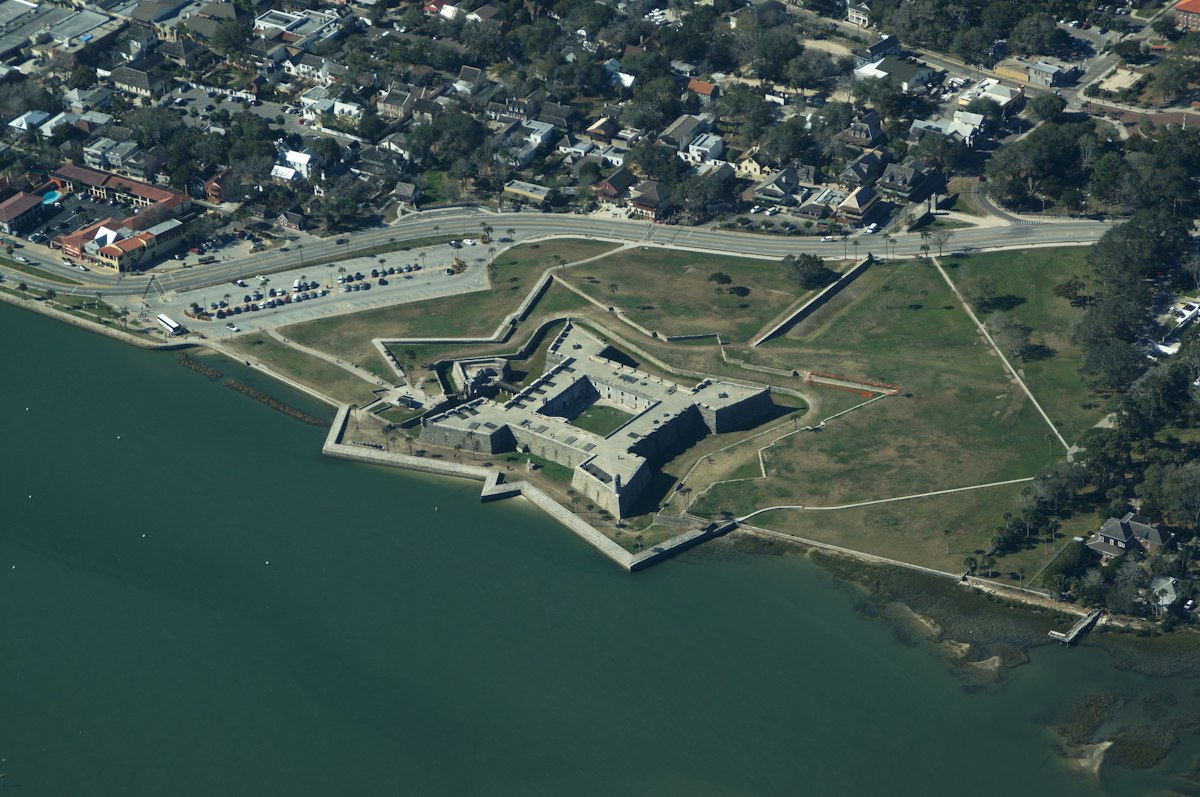
According to the National Park Service, the Spanish Crown approved the stone fort in 1672 and construction began that year. The walls are built of coquina, a soft limestone made of compacted shells. The fort has four bastions, a drawbridge, a moat, and an underground powder magazine.
Coquina has a surprising property: it absorbs impact instead of shattering, which helped the fort withstand attacks. The material came from quarries on nearby Anastasia Island.
A Fort of Many Flags
The history is layered. The fort was Spanish, then British in 1763 when it was renamed Fort St. Mark, then Spanish again in 1784, and then American in 1821, when it became Fort Marion. The NPS notes that it was never captured in battle.
When you walk the ramparts, you are standing on a place that served as a defense, a prison, and a symbol through several eras. It is a good reminder that Northeast Florida has been a crossroads for a very long time.
What to See and Do
You can tour the fort at your own pace, climb to the gun deck for views of the harbor and Matanzas Bay, and explore the rooms around the courtyard. The park offers ranger programs, a video, and re-enactor demonstrations at certain times. Check the NPS website for the current schedule, since events vary.
The views from the gun deck are a highlight. You can see the old city, the bridge, the water, and the boats. Late afternoon light is especially pretty.
Practical Tips
The fort's address is 1 South Castillo Drive in St. Augustine. Entry has an admission fee for visitors age 16 and over, according to the NPS, so check the site for current prices, hours, and any passes that apply. Parking in St. Augustine can be tight, so consider arriving early or using a nearby garage.
Wear comfortable shoes, bring water, and use sunscreen. Summer afternoons can be hot on the stone, and there is limited shade in the courtyard.
What to Know About Parking and Crowds
St. Augustine is a popular destination, and the area around the fort can be busy, especially on weekends and holidays. Arrive early, plan for a short walk from parking, and consider visiting on a weekday if your schedule allows. Fall and winter mornings tend to be the most comfortable for exploring on foot.
If you are bringing older relatives, plan for rest breaks and shade. The fort has stairs and uneven surfaces in places, so check the National Park Service site for accessibility information before you go. A little planning keeps the day enjoyable for everyone.
Want to Live a Short Drive From the Old City?
I will show you communities in St. Johns County that put history, beaches, and everyday convenience within easy reach.
Call or text Joey Larsen: 904-863-6679
or visit RetireMeToFlorida.com
Pair It With a Walk Downtown
The fort sits at the edge of the historic district. After your visit, stroll St. George Street, grab lunch at a local restaurant, and wander through the old streets. If you like boats, walk along the waterfront. If you like architecture, look for the coquina and Spanish Colonial details in the buildings.
A full day in the Old City can include the fort, a museum, a boat tour, and dinner with a view.
Bringing Guests and Grandkids
Kids tend to love the cannon demonstrations and the chance to climb stairs and peek into small rooms. Teens often connect with the stories of prisoners and soldiers. Adults enjoy the architecture and the views.
If you have family visiting from out of state, this is one of the easiest ways to show them that Northeast Florida has history as well as beaches.
Why It Matters When You Live Here
Locals sometimes forget the treasures on their own doorstep. Make a habit of visiting. Go with a friend, go on a quiet weekday morning, go in the cooler months. Each visit teaches you something new, and the light, the crowds, and the weather change the mood each season.
Living in St. Johns County, Nocatee, or Palencia puts you a short drive away. It is one of the quiet perks of choosing this part of Florida.
Planning a Return Visit
Many locals visit the fort once with out-of-town guests and never again. Try going back in a different season or at a different time of day. Early morning gives you cool air and fewer people. Late afternoon gives you golden light on the walls and a calmer courtyard. Special ranger programs and living history days can change the experience completely, so check the park calendar.
Bring a notebook or sketchbook if you enjoy drawing. The shapes of the bastions and the texture of the coquina are wonderful subjects, and sitting quietly on the gun deck is one of the nicest ways to spend an hour in the Old City.
Frequently Asked Questions
Why is the fort made of coquina?
Coquina is a local shell limestone. The National Park Service notes it is soft and absorbs impact, which helped the walls hold up.
Is there an admission fee?
The NPS lists a fee for visitors age 16 and older. Check the official site for current prices and hours.
How much time should I allow?
Many visitors spend one to two hours. Allow extra time if you want to see a ranger program or explore the historic district afterward.
Search Northeast Florida Homes
Browse active listings across Northeast Florida, from master-planned communities in Nocatee, RiverTown, Tributary, and St. Johns County to coastal homes in Ponte Vedra Beach, Jacksonville Beach, Neptune Beach, and Atlantic Beach.
What To Do Right Now
Put the fort on your list, and bring someone who will enjoy it with you. If you want to be close enough to visit often, I can help.
Call or text Joey Larsen at 904-863-6679, or visit RetireMeToFlorida.com to get started.
Categories
- All Blogs (903)
- Buyer Questions (10)
- Buyer Resources (14)
- Communities (8)
- Cost of Living (6)
- Insurance & Risk (1)
- Jacksonville / St. Johns County (3)
- Joey Studies The Market (1)
- Local Area Happenings (1)
- Local Favorites (203)
- Market Intelligence (204)
- Market Update (3)
- Nocatee (2)
- Northeast Florida Market (1)
- Our Communities (4)
- Questions Buyer Are Asking (23)
- Questions Sellers Are Asking (21)
- Real Estate Done Right (10)
- Relocation (1)
- Relocation Guides (196)
- Retirement Planning (4)
- Seller Resources (3)
- The Florida Life (204)
Recent Posts