Backyard Birds of Northeast Florida: Feeders and Winter Visitors
What Will You See When You Hang a Feeder in Northeast Florida?
You're sitting with coffee on the back patio and something moves in the shrubs. A flash of red. Then a flutter at the edge of the pond, and a tall white bird lifting off the water as if it has all the time in the world.
Nobody tells you how much of retirement in Florida happens at the window. Birds become the entertainment, the alarm clock and the reason you buy binoculars.
Backyard birding in Northeast Florida is easy to start and hard to put down. A simple feeder, fresh water and some patience will bring regulars, and the cooler months add visitors that spend winter here. Lots near marshes, ponds and preserves in communities like Nocatee, RiverTown and Palencia tend to bring even more variety.
Why birds become part of daily life
A feeder gives your morning a rhythm. You check it with your coffee, refill it, and keep a mental list of who showed up. It's quiet, it's cheap, and it gets you outside.
Many newcomers say birdwatching is the hobby they didn't plan on. You don't need to know species at first. A basic field guide or a free bird-identification app on your phone will do the heavy lifting.
It's also a great activity with visiting grandkids. They can spot something, point, and name it, and suddenly everyone's on the porch together.
It's also good for your head. Slowing down to watch something small and alive is a form of calm that's hard to buy.
Over time you'll build a small routine around it. Fill the feeder, rinse the dish, check the yard, and write down anything new. It's a gentle habit, and it fits a slower morning.
There's a quiet reward in it, too. A yard that's alive with birds feels like a place that's been lived in and cared for.
Setting up a feeder the right way
Start simple. One sturdy feeder, a good seed mix, and a spot where you can see it from a window. Put it close enough to enjoy but away from places where a bird could hit glass.
Cleaning matters more than people think. Dirty feeders and old seed can spread disease and spoil in Florida's humidity. Wash feeders regularly and don't let wet seed sit.
A bird bath or a shallow dish of fresh water often draws more birds than food. Change it often. Standing water can also raise mosquitoes, so keep it fresh.
Choose seed suited to the birds you want to attract. A local garden store or wildlife organization can recommend mixes for the area.
Place the feeder where you can reach it easily. If refilling is a chore, you won't keep up with it, and a neglected feeder does more harm than good.
Give new feeders a couple of weeks. Birds can take time to trust something new, and patience is part of the hobby.
Want a backyard with a view worth watching?
Joey can help you compare lots that back to water, preserve and open space across St. Johns County, and talk through what that means for daily life.
Call or text Joey Larsen: 904-863-6679
or visit RetireMeToFlorida.com
The regulars and the winter visitors
Some birds stay with you all year. Common backyard residents here include cardinals, blue jays, mockingbirds and woodpeckers, and you'll hear them before you see them.
When the weather cools, the cast changes. Many birds that nest farther north spend the winter in Florida, so your yard may get new faces from late fall into early spring.
That's one more reason to visit in the cooler months. You can sit outside comfortably and watch the seasonal shift happen.
Native plants help too. Shrubs and trees that produce berries and seeds give birds food and cover, and they tend to do well in local conditions.
Weather plays a part as well. Cold snaps and storms can change who shows up, and a calm, mild day often brings a burst of activity. Notice the patterns and you'll start to predict them.
What to expect near marsh, pond and preserve lots
If your lot backs to a preserve, a marsh or a retention pond, you're in for a show. Wading birds like egrets and herons often work the water's edge, especially in early morning and evening.
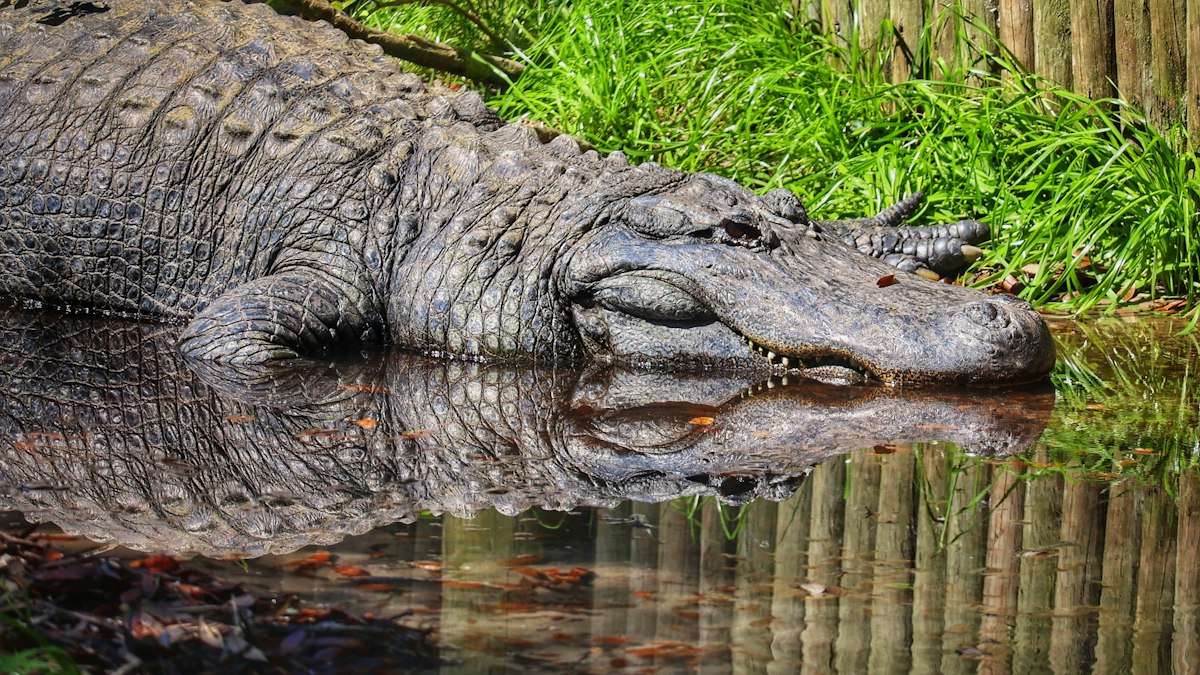
Alongside the birds comes other wildlife. Ponds and wetlands in Florida can have alligators, so keep pets and children back from the edge and never feed wildlife. Your community or the state wildlife agency has guidance.
Preserve-backed lots can also mean more insects and more critters in the yard. That's part of the trade for the view and the privacy. Ask your agent what to expect from a particular lot.
Trails and preserves near many communities are good places to practice. Check official sites for access rules and hours.
If you're touring lots, bring the question along. Ask what wildlife shows up in the area, and look at the edges of the property with fresh eyes.
Rules, neighbors and small courtesies
Before you buy a dozen feeders, check your HOA's rules. Some communities have guidelines on feeders, placement or lighting. It's a quick question to ask.
Squirrels and other critters will eventually find your feeder. A baffle or a well-placed pole can help. Bird food left out can attract unwanted guests, so manage it sensibly.
Be thoughtful with neighbors too. A tidy feeder area, no heaps of spilled seed, and a little restraint go a long way.
Most of all, enjoy it. You don't need a life list or expensive gear. A quiet chair and a willingness to watch are the whole price of entry.
A simple routine for beginners
Pick one window and one chair, and treat it as your birding spot. Keep a notebook and binoculars nearby. Ten minutes in the morning is plenty to start.
Learn a few calls. Sound is how most birders first identify what's in the yard, and a free app or a library book can help you match the song to the singer.
Keep a loose list. Don't worry about counts or rare finds. The list is just a way to notice how your yard changes through the seasons.
If you want company, look for a local birding or nature group. Many areas have informal walks and meetups, and the people tend to be happy to teach a beginner.
Frequently Asked Questions
When is the best time of year to start birdwatching in Northeast Florida?
You can start any time, but the cooler months add wintering birds. Early mornings are usually most active.
Do I need special equipment to start?
No. A simple feeder, a window view and a field guide or app are enough. Binoculars are a nice upgrade.
Are there rules about bird feeders in HOA communities?
Some communities have guidelines. Check your HOA documents or ask the management before installing anything.
Is it safe to let pets near ponds and marsh edges?
Use caution. Florida waters can have alligators and other wildlife. Keep pets leashed and back from the edge, and follow local safety guidance.
Search Northeast Florida Homes
Browse active listings across Northeast Florida, from master-planned communities in Nocatee, RiverTown, Tributary, and St. Johns County to coastal homes in Ponte Vedra Beach, Jacksonville Beach, Neptune Beach, Atlantic Beach, and Amelia Island.
What To Do Right Now
A feeder, a chair and a little patience can change how your mornings feel. It's one of the simplest reasons people fall in love with life here.
Call or text Joey Larsen at 904-863-6679, or visit RetireMeToFlorida.com to get started.
Categories
- All Blogs (903)
- Buyer Questions (10)
- Buyer Resources (14)
- Communities (8)
- Cost of Living (6)
- Insurance & Risk (1)
- Jacksonville / St. Johns County (3)
- Joey Studies The Market (1)
- Local Area Happenings (1)
- Local Favorites (203)
- Market Intelligence (204)
- Market Update (3)
- Nocatee (2)
- Northeast Florida Market (1)
- Our Communities (4)
- Questions Buyer Are Asking (23)
- Questions Sellers Are Asking (21)
- Real Estate Done Right (10)
- Relocation (1)
- Relocation Guides (196)
- Retirement Planning (4)
- Seller Resources (3)
- The Florida Life (204)
Recent Posts