A Guide to Amelia Island’s Beaches, Beach by Beach
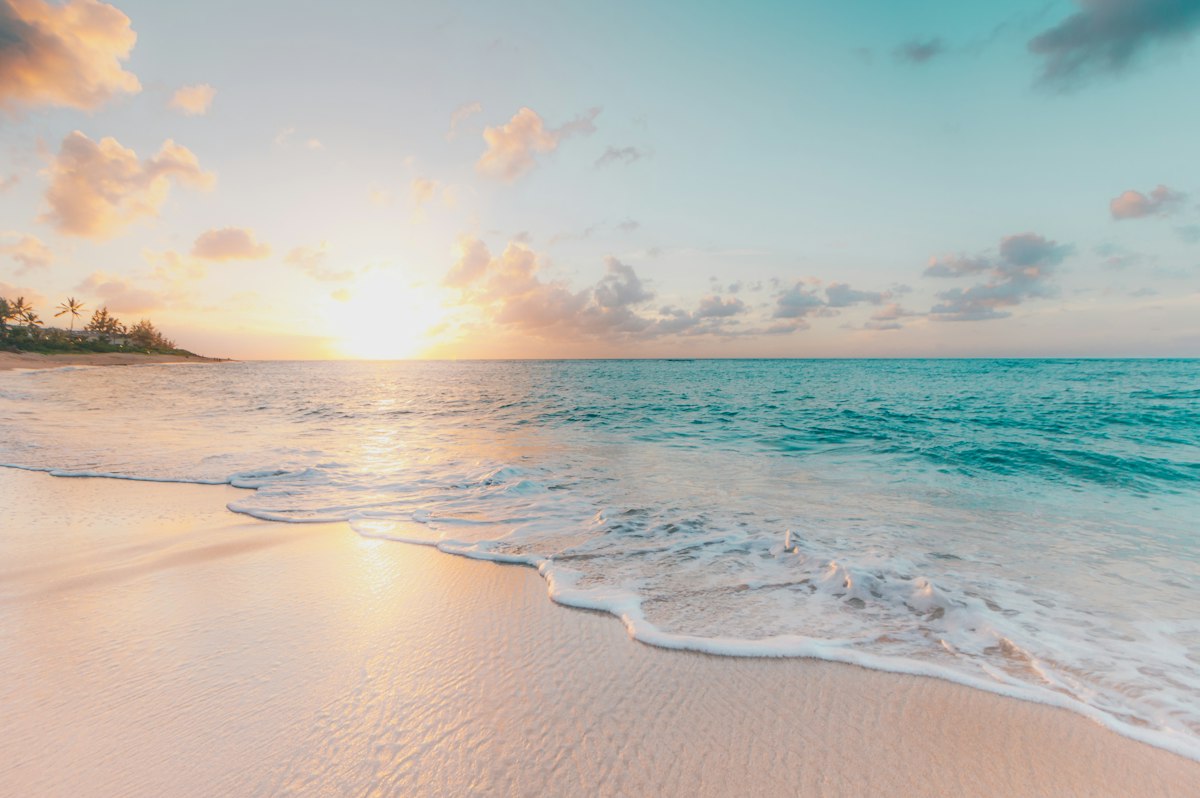
Which Amelia Island Beach Is Actually Yours?
You park at the north end, walk over the boardwalk, and the first thing you notice is how much of the beach there is. Not just width, though it is wide. Length. The sand runs off toward the horizon in both directions with almost nothing on it, and behind you the dunes are stitched together with sea oats bending in the same direction the wind has pushed them for a century. Somebody's dog is chasing a ghost crab. There is a shrimp boat working offshore.
Thirteen miles of this. And every mile has a different personality.
Amelia Island's beaches run roughly thirteen miles from Fort Clinch State Park at the north end to Amelia Island State Park at the south, and each stretch has a distinct character. Main Beach Park in Fernandina Beach is the most social, American Beach carries the island's most important history, the central Peters Point area suits families, and the southern end near Amelia Island State Park is the wildest and least developed beach in Nassau County.
The North End: Fort Clinch State Park
Start at the top, because the top is unlike anywhere else in Northeast Florida.
Fort Clinch State Park occupies the northern tip of the island where the Amelia River meets the Atlantic, and the drive in alone is worth the entry fee. A canopy road runs almost three miles through maritime hammock, live oaks arching overhead so densely that the light comes through in pieces.
The beach here is quiet and often nearly empty, backed by the fort's earthworks and looking across Cumberland Sound toward Georgia. There is a fishing pier, campgrounds on both the river and the ocean side, and shelling that is genuinely better than most of the island because fewer people are picking it over.
This is the beach for people who want a beach and a state park at the same time. Bring the bikes. Bring a cooler. Plan on staying most of a day.
Main Beach Park and Fernandina Beach
Come south a few minutes and the island gets social. Main Beach Park is Fernandina Beach's central gathering point, with parking, restrooms, a playground, and the kind of steady, cheerful activity that makes a beach feel like a town square.
It is the most convenient beach on the island if you want to combine sand with lunch. The historic downtown along Centre Street is a short drive or a long walk away, which means you can spend the morning in the water and the afternoon in shops and restaurants housed in buildings from the shrimping era.
Families with young kids tend to gravitate here for the same reason people always gravitate to Main Beach: bathrooms, shade, and somewhere to get a drink.
Seaside Park and the Central Access Points
Between Fernandina's town beaches and the resort corridor, there is a series of smaller public accesses that most visitors drive right past.
Seaside Park sits in this stretch and offers a quieter version of the Main Beach experience. The beach itself is the same beautiful wide sand, but the crowd density drops noticeably.
This is also where you start to see Amelia's signature hard-packed sand. At low tide the beach firms up enough that bicycles roll easily on it, and riding the waterline for a few miles is one of the best things you can do on this island. Fat tires help. Most locals just use whatever they have.
Thinking About Living on Amelia Island?
From historic Fernandina Beach homes to oceanfront condos and Nassau County new construction, the options here are wider than most people expect.
Call or text Joey Larsen: 904-863-6679
or visit RetireMeToFlorida.com
American Beach: The Most Important Stretch of Sand on the Island
If you only learn one piece of Amelia Island history, make it this one.
American Beach was established in the 1930s by A.L. Lewis, Florida's first Black millionaire and a founder of the Afro-American Life Insurance Company, as an oceanfront community where Black families could vacation during segregation. It became a cultural landmark, drawing visitors from across the Southeast.
Today the community is small and residential, with Burney Park providing public beach access. Just south of it stands NaNa, the tallest sand dune in Florida, a massive vegetated formation that has been protected as part of the Timucuan Ecological and Historic Preserve.
The beach itself is beautiful and usually uncrowded. But go for the history as much as the sand. Amelia Island Museum of History and the American Beach Museum both help fill in a story that is central to understanding this island.
Peters Point and the Family Middle
Peters Point Beachfront Park is the workhorse of Amelia Island beaches. Good parking, restrooms, showers, picnic pavilions, and enough space that you never feel like you are sitting in someone's lap.
It is the beach most Nassau County families default to on a Saturday, and it earns that. If you are bringing chairs, an umbrella, a cooler, and three children, this is the one that makes the logistics easy.
The surf along this middle stretch of the island is generally gentle, which matters if you have young swimmers. Amelia is not a big wave coast most of the year. It is a wading, floating, boogie-boarding coast.
The South End: Amelia Island State Park
The last beach on the island is the wildest, and it is the reason a lot of people fall in love with Nassau County.
Amelia Island State Park sits at the southern tip where the island meets Nassau Sound, just before the bridge to Big Talbot Island. There is no development here. No condos, no snack bar, no boardwalk lined with rentals. Just dunes, sand, tidal flats, and the sound of water moving through the inlet.
It is one of the few beaches in Florida where guided horseback riding on the sand is permitted through a licensed concession, which makes it a bucket-list stop for a lot of visitors. It is also excellent for fishing, birding, and simply walking a long way without seeing anybody.
Cross the bridge and you are on Big Talbot and Little Talbot Islands, where the famous Boneyard Beach is covered in salt-bleached skeleton trees that fell from the eroding bluff. Technically that is Duval County. Practically it is the same trip.
Where to Live If These Beaches Are the Point
Amelia Island real estate splits into a few distinct experiences, and knowing which beach you love helps you choose.
Historic Fernandina Beach gives you walkable downtown living, Victorian and cottage architecture, and easy access to Main Beach and Fort Clinch. It is the most town-like option on the island.
The oceanfront and resort corridor along the island's middle offers condos and homes with direct beach access, closer to Peters Point and Seaside Park, generally at a premium for the location.
On the mainland side, Yulee has become one of the fastest-growing parts of Northeast Florida. Tributary is the standout master-planned community there, offering new construction, real amenities, and a fifteen to twenty minute drive to the island's beaches. For buyers who want more house and are willing to trade a bridge crossing for it, that corridor is worth a serious look.
Frequently Asked Questions
How many miles of beach does Amelia Island have?
Roughly thirteen miles of Atlantic shoreline, running from Fort Clinch State Park at the northern tip to Amelia Island State Park at the southern end. Public access points are spread along the entire length.
Which Amelia Island beach is best for families?
Peters Point Beachfront Park and Main Beach Park are the two most family-friendly, with parking, restrooms, showers, and picnic facilities. The surf along the central part of the island is generally gentle.
Can you drive on the beach at Amelia Island?
No. Unlike some Florida beaches, driving on the sand is not permitted here. Bicycling on the hard-packed sand at low tide, however, is popular and allowed along much of the island.
What makes American Beach historically significant?
American Beach was founded in the 1930s as an oceanfront community where Black families could vacation during segregation, established by A.L. Lewis and the Afro-American Life Insurance Company. It remains a nationally recognized historic site, and NaNa, the tallest sand dune in Florida, sits just to the south.
Search Northeast Florida Homes
Browse active listings across Northeast Florida, from master-planned communities in Nocatee, RiverTown, Tributary, and St. Johns County to coastal homes in Ponte Vedra Beach, Jacksonville Beach, Neptune Beach, and Atlantic Beach.
What To Do Right Now
Give yourself one full day to drive the island from Fort Clinch to the south end, stopping at every access. You will know by dinner which stretch feels like yours.
Call or text Joey Larsen at 904-863-6679, or visit RetireMeToFlorida.com to get started.
Categories
- All Blogs (734)
- Buyer Questions (10)
- Buyer Resources (14)
- Communities (8)
- Cost of Living (6)
- Insurance & Risk (1)
- Jacksonville / St. Johns County (3)
- Joey Studies The Market (1)
- Local Area Happenings (1)
- Local Favorites (163)
- Market Intelligence (162)
- Market Update (3)
- Nocatee (2)
- Northeast Florida Market (1)
- Our Communities (4)
- Questions Buyer Are Asking (25)
- Questions Sellers Are Asking (8)
- Real Estate Done Right (11)
- Relocation (1)
- Relocation Guides (153)
- Retirement Planning (4)
- Seller Resources (3)
- The Florida Life (169)
Recent Posts