Kingsley Plantation: A Place That Asks You to Slow Down and Listen
Have You Ever Stood in a Place That Asks You to Be Quiet First?
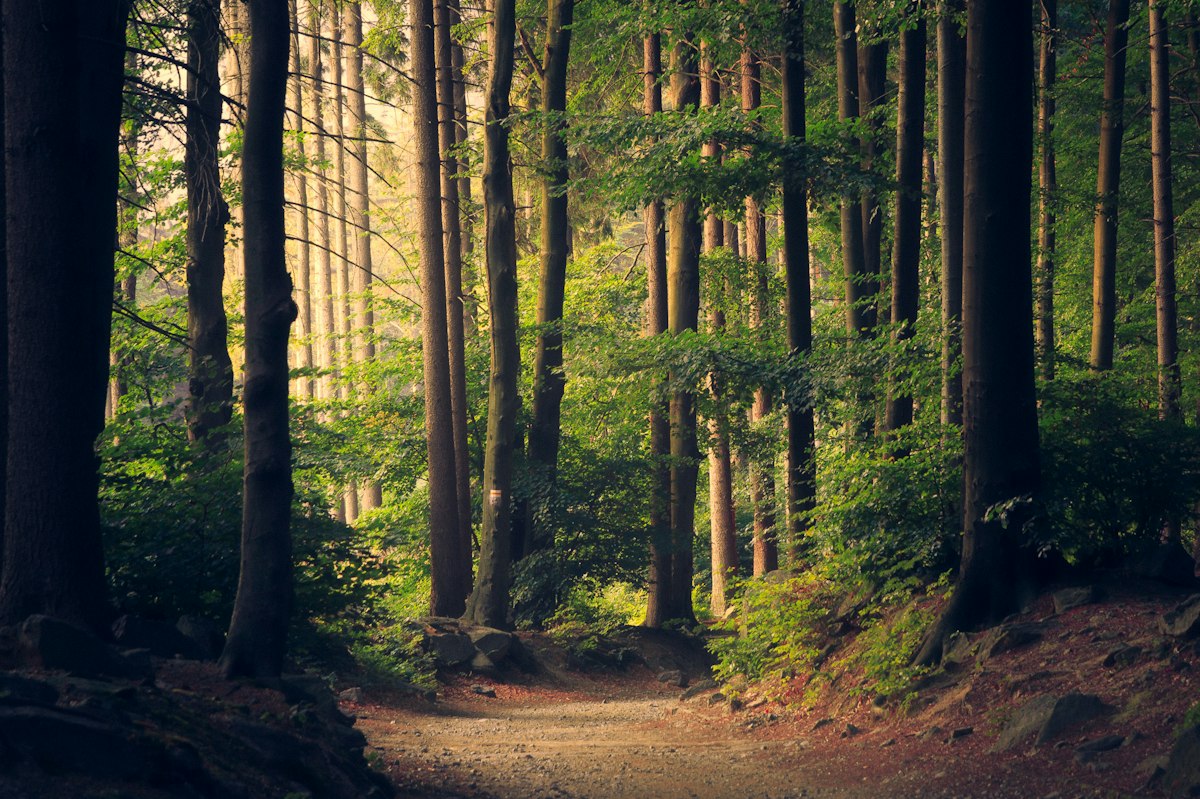
The oak canopy along the entrance road at Fort George Island is thick enough to dim the sunlight, and the marsh smell reaches you before the water comes into view. You walk past the low tabby ruins arranged in a wide semicircle, and the ground itself seems to ask for a slower pace. Wind moves through the palmettos. A heron lifts off the marsh in the distance.
By the time you reach the planter's house at the end of the path, white against the green, you understand this isn't a typical historic home tour. Kingsley Plantation holds a heavier story, and it's told here with care rather than spectacle.
Kingsley Plantation sits on Fort George Island, part of the Timucuan Ecological and Historic Preserve near Jacksonville, and preserves one of Florida's oldest surviving plantation sites, including the planter's house, the remains of tabby slave cabins, and the marsh landscape around them. It's managed by the National Park Service as a place of history and remembrance, not a leisure attraction.
What Kingsley Plantation Is
The main house at Kingsley Plantation is widely recognized as one of the oldest surviving plantation houses in Florida, dating to the early years of the nineteenth century. It sits at the edge of Fort George Island overlooking the marsh and the Fort George River, part of a working plantation that relied on the forced labor of enslaved people to grow crops like Sea Island cotton.
Today the site is preserved and interpreted by the National Park Service as part of the Timucuan Ecological and Historic Preserve, a large protected area that also includes natural marshland, maritime forest, and other historic sites along the St. Johns River and the Atlantic coast north of Jacksonville.
The Tabby Cabin Ruins
Arranged in a broad arc near the entrance to the property are the remains of the cabins where enslaved people lived and worked. Built from tabby, a durable material made from oyster shell, lime, sand, and water, the cabin walls have survived for roughly two centuries, though only their foundations and partial walls remain today.
Walking among them is meant to be a somber experience, and the park's interpretive signage treats it that way. These ruins are one of the most intact examples of enslaved housing anywhere in the region, and they exist specifically so this history is not forgotten or softened.
A History That Deserves to Be Told Honestly
Kingsley Plantation's history is tied to Zephaniah Kingsley, a planter and slave trader who owned the property in the early 1800s, and to Anna Madgigine Jai Kingsley, an African-born woman who was enslaved by him and later became a free woman, landowner, and slaveholder herself under Florida's more complex racial laws at the time.
It's a history with real complexity and real harm in it, and it deserves to be approached with respect rather than treated as a curiosity. The National Park Service's own interpretation at the site focuses on centering the lives and experiences of the enslaved people who lived there, and visitors are encouraged to take that same posture.
Thinking About Making Northeast Florida Home?
Places like Fort George Island are part of what makes this region so layered and interesting. Let's talk about what living near it could look like for you.
Call or text Joey Larsen: 904-863-6679
or visit RetireMeToFlorida.com
The Marsh and the Island Around It
Fort George Island itself is worth noticing beyond the plantation grounds. The island sits within the marsh and tidal creek system typical of this stretch of coast, and the drive in along the shaded, moss-draped road is part of the experience. Wildlife is common along the property's edges, from wading birds working the marsh to the occasional deer near the tree line.
The site connects to the wider Timucuan Preserve, which protects thousands of years of human history in the area, going back to the Timucua people who lived along these waterways long before European contact.
Visiting Thoughtfully
Because Kingsley Plantation is a National Park Service site, entry is generally free, though hours and any ranger-led programs can change, so it's worth checking current details before you go rather than assuming a fixed schedule. Interpretive signs throughout the grounds provide context for the house, the cabins, and the surrounding land.
This is a place best visited with time to walk slowly and read the signage, not rushed through on the way to somewhere else. Many visitors find that giving themselves an hour or more, rather than a quick stop, changes how much the site actually communicates.
Why a Site Like This Matters to This Region
For anyone getting to know Northeast Florida, Kingsley Plantation is a reminder that this area's history runs much deeper and is far more complicated than its beaches and golf courses suggest. The region's story includes Indigenous history, colonial Spanish and British periods, and the plantation economy built on slavery, all layered into the same landscape people now visit for its natural beauty.
Understanding that history, rather than skipping past it, is part of understanding the place itself. It's one of the reasons Northeast Florida draws people who want more from a place than sunshine alone.
Frequently Asked Questions
Where is Kingsley Plantation located?
Kingsley Plantation is on Fort George Island, part of the Timucuan Ecological and Historic Preserve, a short drive from downtown Jacksonville near the mouth of the St. Johns River.
Is Kingsley Plantation appropriate to visit with children?
Many families do visit, and the National Park Service provides age-appropriate interpretive materials, but the site's subject matter, the history of slavery, is serious and deserves an honest conversation rather than avoidance. Parents may want to review the site's own guidance beforehand to prepare for that conversation.
Who manages Kingsley Plantation today?
The site is managed by the National Park Service as part of the Timucuan Ecological and Historic Preserve, which focuses on preserving both the natural landscape and the historic and cultural sites within it.
Search Northeast Florida Homes
If the depth of history along the St. Johns River and Fort George Island is part of what draws you to this region, take a look at homes currently available throughout Northeast Florida.
What To Do Right Now
If this region's history and landscape are part of what's pulling you toward a move, let's talk about the practical next steps.
Call or text Joey Larsen at 904-863-6679, or visit RetireMeToFlorida.com to get started.
Categories
- All Blogs (790)
- Buyer Questions (10)
- Buyer Resources (14)
- Communities (8)
- Cost of Living (6)
- Insurance & Risk (1)
- Jacksonville / St. Johns County (3)
- Joey Studies The Market (1)
- Local Area Happenings (1)
- Local Favorites (177)
- Market Intelligence (176)
- Market Update (3)
- Nocatee (2)
- Northeast Florida Market (1)
- Our Communities (4)
- Questions Buyer Are Asking (25)
- Questions Sellers Are Asking (8)
- Real Estate Done Right (11)
- Relocation (1)
- Relocation Guides (167)
- Retirement Planning (4)
- Seller Resources (3)
- The Florida Life (183)
Recent Posts