What to Ship, What to Sell, and What to Buy When You Get Here

What Is Actually Worth Putting On The Truck?
Standing in a garage in Ohio with a snowblower, a set of storm windows, and a chest freezer, doing math you did not expect to be doing.
Long distance moving is generally priced by weight and distance, which turns every object in your house into a line item. The dresser that has been in the guest room since 2006 suddenly has a shipping cost attached to it, and you have to decide whether it is worth paying.
Most people ship too much. Almost nobody regrets shipping less.
Long distance moves are typically priced by weight and distance, so the practical question for anything you own is whether shipping it costs less than replacing it. Items that generally should not make the trip to Northeast Florida include snow equipment, storm windows, most basement contents, heavy dark furniture that does not suit Florida floor plans, and anything already near end of life. Items worth shipping include quality furniture that fits, anything irreplaceable, and tools you actually use.
The Math That Should Drive Every Decision
For each significant item, ask one question: what would it cost to ship this, and what would it cost to replace it here?
Long distance moving costs vary by carrier, season, and distance, but the principle holds regardless of the number. If an item is worth less than its shipping cost, or if you would not buy it again today at that price, it should not go on the truck.
This is emotionally harder than it sounds, and that is fine. Sentimental items get an exemption. Everything else gets the math.
Things That Should Not Come
Some categories are close to universal.
- Snow equipment. Snowblower, roof rake, snow shovels, ice melt. None of it has a use here.
- Storm windows and heavy cold weather gear tied to a house you are selling.
- Basement contents. Northeast Florida homes do not have basements, so an entire storage category has nowhere to go.
- Heavy, dark, oversized furniture. It rarely suits Florida floor plans, and light open interiors are the norm here.
- Appliances near end of life. Shipping a nine year old refrigerator across the country is usually a poor trade.
- Bulk food, chemicals, paint, and propane. Movers will not take much of it anyway.
The basement point deserves emphasis because it is the biggest structural surprise for northern movers. If you are downsizing from a house with a finished lower level, you are losing a large amount of storage space, and Florida garages fill up fast.
Things Worth Bringing
Quality furniture that fits the new floor plan is worth shipping, particularly solid wood pieces that would cost a great deal to replace at equivalent quality.
Anything irreplaceable comes with you rather than on the truck. Documents, photographs, family pieces, jewelry. That is a car load, not a moving box.
Tools you actually use are usually worth bringing, since replacing a full set is expensive. Just be realistic about which ones you use, because the workbench full of things you have not touched in a decade is not a tool collection, it is storage.
And outdoor furniture in good condition often makes sense, because you will use it far more here than you did up north. Just make sure it is suited to sun, humidity, and salt air if you are near the coast.
Getting Ready To Make The Move?
Knowing the floor plan and storage you are moving into makes the ship or sell decision much easier. Happy to help you plan around the actual house.
Call or text Joey Larsen: 904-863-6679
or visit RetireMeToFlorida.com
Things To Buy After You Land
There is a category of purchases that only make sense once you are here, and buying them in advance is usually a mistake.
Patio and lanai furniture sized to the actual space. Ceiling fans, which you will want in more rooms than you think. Window treatments suited to intense sun exposure. Hurricane preparedness supplies. A dehumidifier for the garage, which is more useful here than most people expect.
Outdoor cooking equipment, kayaks, paddleboards, beach gear, and fishing equipment all belong in this category too. Buy them here, after you know what your actual life looks like, and consider the strong secondhand market in this region before buying new.
The Timing Of The Sale
The furniture you are shedding has value, and Northeast Florida has an active secondhand market precisely because so many people arrive and downsize.
On the departure side, estate sale companies, consignment, online marketplaces, and donation with a receipt are all options, and they have different time and effort profiles. Start earlier than feels necessary, because a rushed disposal at the end costs money.
One caution: do not sell everything and plan to rebuy at the destination without budgeting for it. Replacing a household is expensive, and the savings from a lighter truck can evaporate quickly at the furniture store.
Plan Around The Actual House
The best version of this process starts with the floor plan of the home you are moving into, not the home you are leaving.
Measure the rooms. Note where the windows and doors are. Look at closet and garage space. Then decide what comes, because a beautiful dining set that does not fit the new dining room is an expensive mistake made twice, once in shipping and once in disposal.
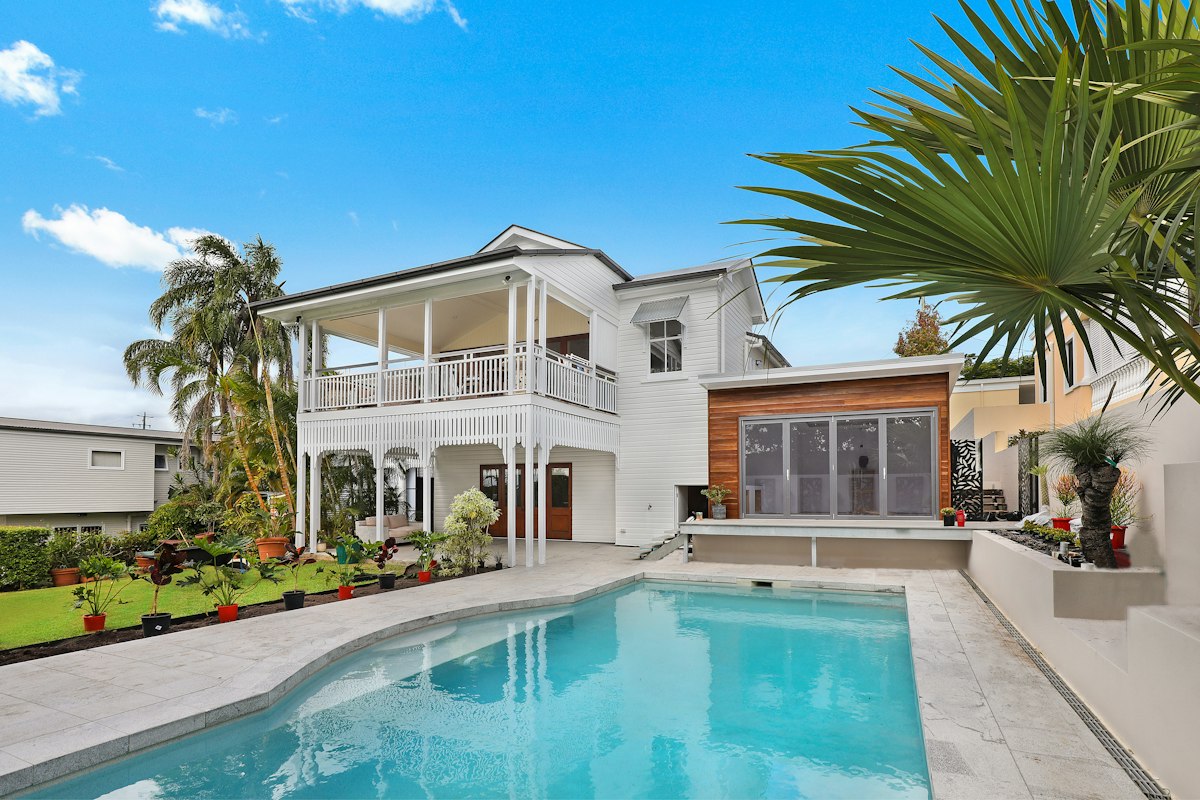
Northeast Florida floor plans tend toward open living areas, generous primary suites, and significant outdoor space. That suits some existing furniture and does not suit other pieces, and knowing which is which before the truck is loaded is the difference between a smooth arrival and a garage full of regret.
The households that handle this well tend to say the same thing afterward: they wish they had gotten rid of more. Nobody says the opposite.
Frequently Asked Questions
How are long distance moves priced?
Long distance moves are typically priced by weight and distance, which means every item you ship carries a real cost. The practical test for each item is whether shipping it costs less than replacing it at the destination.
What should you not bring when moving to Florida?
Snow equipment, storm windows, most basement storage contents, heavy dark furniture that does not suit open Florida floor plans, appliances near end of life, and hazardous items like paint, chemicals, and propane that movers generally will not transport.
Do Florida homes have enough storage without basements?
Northeast Florida homes have no basements, so storage shifts to garages, closets, and bonus rooms. Households downsizing from homes with finished lower levels typically lose significant storage capacity and should plan accordingly.
What is worth buying after moving to Northeast Florida?
Patio and lanai furniture sized to the actual space, additional ceiling fans, sun appropriate window treatments, hurricane supplies, a garage dehumidifier, and outdoor recreation gear such as kayaks and beach equipment. The region has a strong secondhand market worth checking first.
Search Northeast Florida Homes
Browse active listings across Northeast Florida, from master-planned communities in Nocatee, RiverTown, Tributary, Shearwater, and St. Johns County to coastal homes in Ponte Vedra Beach, Jacksonville Beach, Neptune Beach, Atlantic Beach, and Fernandina Beach.
What To Do Right Now
If you are planning the move and want to make these decisions against the actual floor plan you are landing in, that is exactly the kind of thing worth sorting out early.
Call or text Joey Larsen at 904-863-6679, or visit RetireMeToFlorida.com to get started.
Categories
- All Blogs (818)
- Buyer Questions (10)
- Buyer Resources (14)
- Communities (8)
- Cost of Living (6)
- Insurance & Risk (1)
- Jacksonville / St. Johns County (3)
- Joey Studies The Market (1)
- Local Area Happenings (1)
- Local Favorites (184)
- Market Intelligence (183)
- Market Update (3)
- Nocatee (2)
- Northeast Florida Market (1)
- Our Communities (4)
- Questions Buyer Are Asking (25)
- Questions Sellers Are Asking (8)
- Real Estate Done Right (11)
- Relocation (1)
- Relocation Guides (174)
- Retirement Planning (4)
- Seller Resources (3)
- The Florida Life (190)
Recent Posts