From a Northern City Condo or Apartment to a Florida House: What You Take On
Who Do You Call When the Sprinkler Starts Spraying the Street?
For years, a leaky faucet meant a text to the building manager. A broken light in the hallway got fixed by somebody you never met, and the roof was a rumor that lived somewhere above the top floor.
Then one humid Saturday you are standing on a freshly seeded lawn in front of your new Florida house, watching an irrigation head launch a fan of water onto the sidewalk. A neighbor strolls by with a dog and a friendly wave, and you realize that the building manager is you now.
That moment is both funny and a little humbling. It is also very survivable, and for most people it becomes a point of pride within a few months.
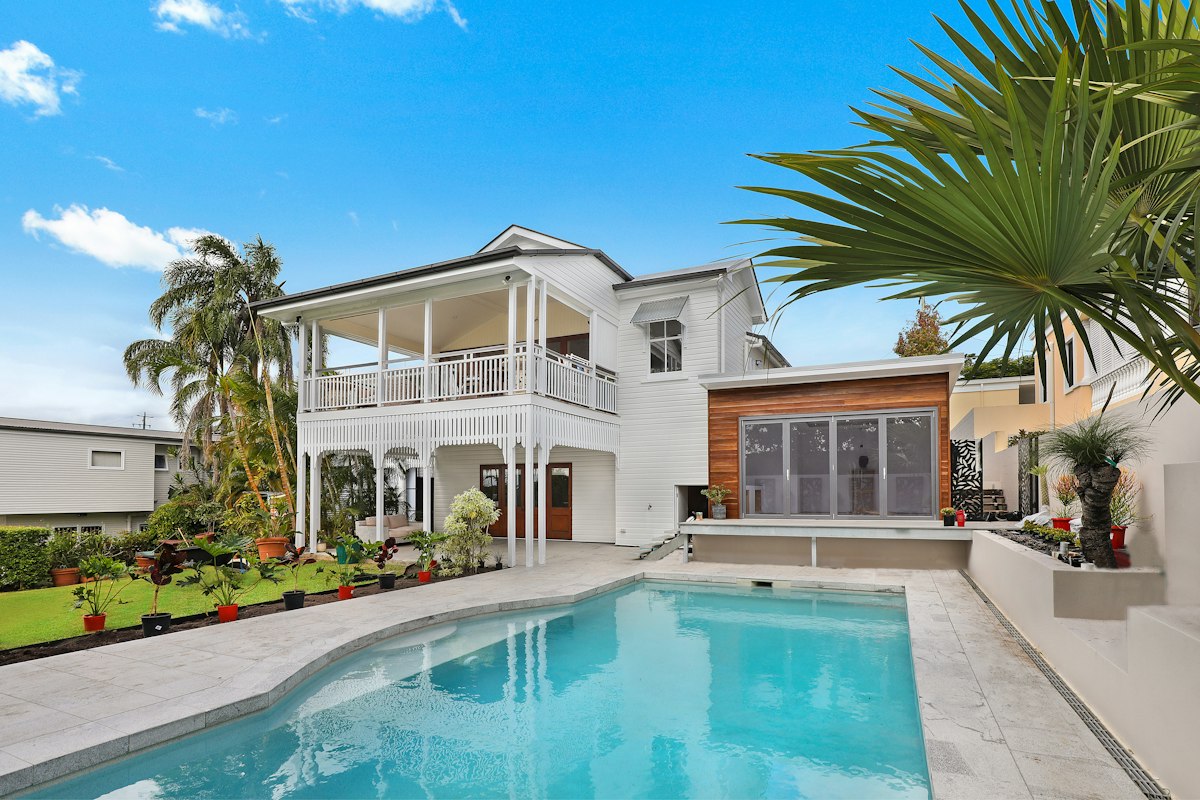
Moving from a northern city condo or apartment to a single-family home in Northeast Florida adds responsibility for the yard, irrigation, roof, air conditioning, possibly a pool, plus homeowners insurance and HOA or CDD obligations. Most newcomers adjust well, and communities like Nocatee, Tributary and Palencia, or villa and maintenance-included options, can ease the learning curve.
The Yard Is a Living Thing
Florida grass grows hard in warm months, and a lawn needs regular mowing, edging and attention to weeds and pests. Irrigation systems add another layer, with timers, zones and heads that need occasional adjustment.
Landscape beds, trees and palms need trimming. Some communities have standards for what the front yard must look like, and the HOA may enforce those standards.
If you have never owned a lawn, consider a trial period. Do it yourself for a month, or hire help, and notice how you feel. Some people find the work therapeutic, and others decide quickly that it is not for them.
Roof and Exterior Are Your Responsibility
In a condo, a roof is a shared item that the association manages. In a single-family home, it is yours. Florida sun, storms and humidity are hard on roofing, paint, caulk, gutters and siding.
Ask about the age and condition of the roof on any house you consider, and have a licensed inspector look it over. Insurance companies often care a lot about roof age, so the answer can shape coverage and cost.
Exterior upkeep includes pressure washing, repainting and watching for wood rot or mildew. None of it is mysterious, but it is a new line on your to-do list.
Air Conditioning Is the Heart of the House
In a northern apartment, heating is the big system. In Florida, air conditioning runs much of the year, and it is the system you will think about most.
Learn the system's age, change filters on schedule and keep the condensate line clear. Many owners schedule seasonal maintenance with a licensed HVAC contractor to catch small issues before summer.
A home inspection is the right place to learn the condition of the system, and a good inspector will explain what you are looking at in plain language.
A useful habit is to learn one system per month. Spend one weekend on the irrigation timer, another on the electrical panel and water shutoff, and another on the air filter and the outside drains. Small lessons add up to confidence faster than you might think.
Wondering how much house is the right amount of house?
Share what you like to do with your time and we can look at single-family, villa and condo options across Northeast Florida together.
Call or text Joey Larsen: 904-863-6679
or visit RetireMeToFlorida.com
If There Is a Pool, There Is a Routine
A pool is a joy, especially on a hot afternoon. It is also a system with pumps, filters, chemistry and cleaning that never fully takes a day off.
You can maintain it yourself or hire a pool service, but either way you take on responsibility. Safety matters too, since fences, screens and alarms may be required or advisable depending on your household.
Ask sellers about the pool equipment, the age of the pump and the history of repairs. If you are not sure, a community with shared amenity pools may give you the water without the work.
Insurance, HOA and CDD Add New Layers
Homeowners insurance for a single-family house is different from the contents policy you may have carried in a condo or apartment. It typically covers the structure, and wind and flood questions are part of the conversation in Northeast Florida.
Many communities also have an HOA, and some have a Community Development District, or CDD, which finances infrastructure and appears as an assessment, often on the property tax bill. These obligations differ by neighborhood, so ask what applies to the specific address.
A licensed insurance professional and the county property appraiser's office can help you understand coverage and assessments. Figures vary by home and change over time, so check current numbers for the specific address.
How to Size Up the Learning Curve
Think about your appetite for projects. Ask yourself a few questions.
- Do I enjoy tinkering, or do I want someone else to handle repairs?
- Am I comfortable hiring and managing licensed contractors?
- Will I be away for long stretches?
- How much of my budget and energy do I want to devote to upkeep?
A good approach is to build a home binder with warranties, maintenance dates and trusted contacts, and to meet a handyperson or two before you need them. Neighbors are often your best source of local knowledge.
Ask the seller or the HOA office for a simple list of annual costs that come with the house beyond the mortgage, and keep a rainy-day line in your budget for repairs. Surprises feel smaller when you expect a few.
Options If You Want Less to Manage
If the full single-family package sounds like too much, there is a middle ground. Villas, townhomes and some patio-home communities in St. Johns County, around the Jacksonville beaches and on Amelia Island often have associations that handle landscaping and some exterior items.
Condos remain an option too, especially for people who want the ease they already know with a Florida view. What each association covers differs, so read the governing documents before you commit.
Whichever way you lean, remember that you can start with less and change later. Many people try a low-maintenance home first, then move to a house when they feel ready.
Frequently Asked Questions
Is owning a Florida house much harder than living in a condo?
It adds responsibility for the yard, roof, systems and sometimes a pool, but most people adjust within a year. Hiring help and choosing the right community can lighten the load.
What is a CDD?
A Community Development District is a special district that finances infrastructure in some communities and charges an assessment. Ask your agent and check with the county property appraiser about what applies to a specific address.
Do I need a different kind of insurance for a house?
Usually, yes. A single-family home needs a homeowners policy for the structure, and flood and wind coverage are worth discussing with a licensed insurance professional.
Are there Florida communities that handle exterior upkeep?
Yes, many villa, townhome and condo communities do, though coverage varies. Read the declaration and budget to see exactly what is included.
Search Northeast Florida Homes
Browse active listings across Northeast Florida, from master-planned communities in Nocatee, RiverTown, Tributary, and St. Johns County to coastal homes in Ponte Vedra Beach, Jacksonville Beach, Neptune Beach, and Atlantic Beach.
What To Do Right Now
Every homeowner started as a beginner, and the learning curve is gentler than it looks from a city apartment. When you want a guide, reach out and we will take it step by step.
Call or text Joey Larsen at 904-863-6679, or visit RetireMeToFlorida.com to get started.
Categories
- All Blogs (818)
- Buyer Questions (10)
- Buyer Resources (14)
- Communities (8)
- Cost of Living (6)
- Insurance & Risk (1)
- Jacksonville / St. Johns County (3)
- Joey Studies The Market (1)
- Local Area Happenings (1)
- Local Favorites (184)
- Market Intelligence (183)
- Market Update (3)
- Nocatee (2)
- Northeast Florida Market (1)
- Our Communities (4)
- Questions Buyer Are Asking (25)
- Questions Sellers Are Asking (8)
- Real Estate Done Right (11)
- Relocation (1)
- Relocation Guides (174)
- Retirement Planning (4)
- Seller Resources (3)
- The Florida Life (190)
Recent Posts