What Is That Gray Moss Hanging From Every Oak?
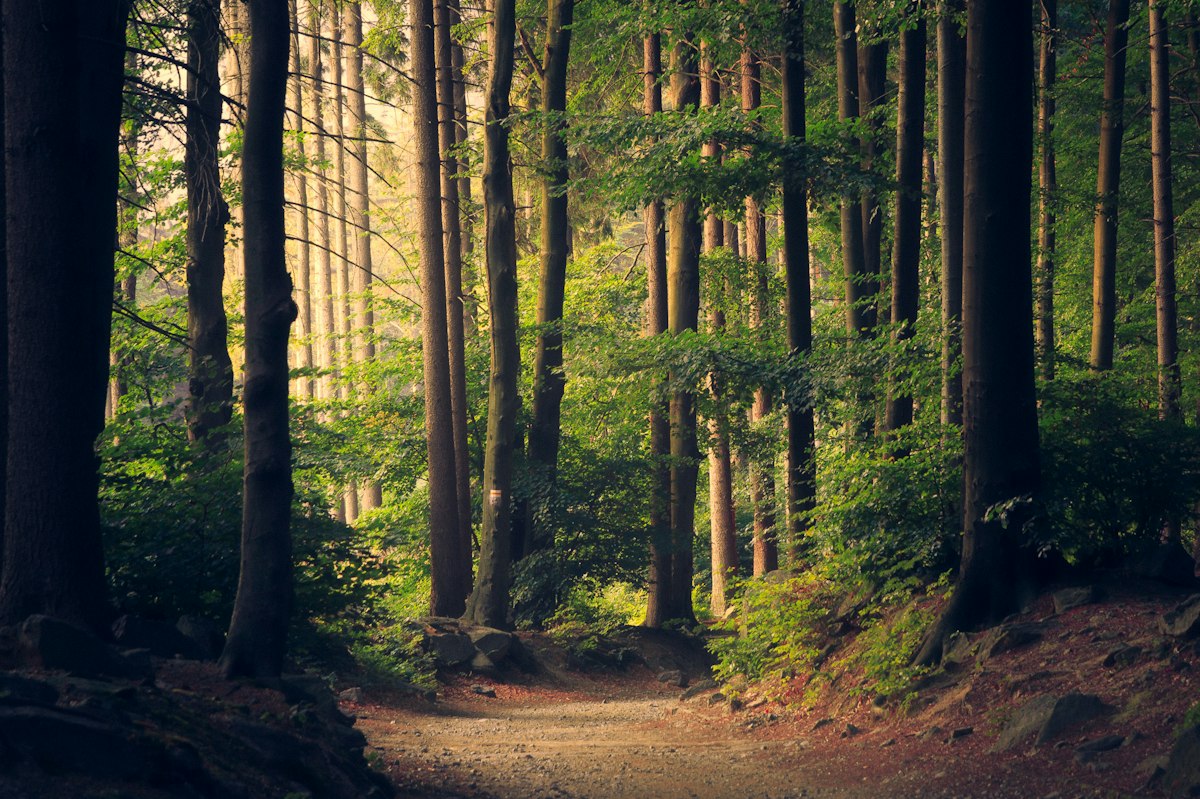
Have you noticed how the street seems to hold you in its arms?
You turn onto a quiet road, and the branches arch overhead like the ribs of a cathedral. Soft gray strands drift down from every limb, swaying a little in a breeze you cannot quite feel. The light that reaches the pavement comes through in coins and ribbons.
You slow down without deciding to. A cyclist rolls by, and a woman is sitting on a porch with a book, not even looking up because she sees this every day.
If you have ever asked, half to yourself, what that gray stuff is and why it makes everything look so calm, you are in good company. It is one of the first questions visitors ask, and one of the last things residents stop noticing.
Spanish moss and live oaks are the signature look of Northeast Florida, from oak-lined streets in St. Johns County and Jacksonville to the old trees of Amelia Island. Living under an oak canopy is beautiful, and it comes with a few practical notes about cleanup, roots and tree care worth knowing before you buy.
So what is that moss, exactly?
Spanish moss is not a moss at all and it is not a parasite. It is an air plant, a relative of the pineapple, that simply perches on branches and gathers moisture and nutrients from the air and rain. It does not feed on the tree.
It tends to settle on trees that are already established, which is why you see it so thickly on mature live oaks. The two together became the postcard image of the First Coast, and they feel as much a part of the landscape as the marsh itself.
The oak is the real star
A live oak has a broad, spreading crown and limbs that sometimes reach down, then up again, as if the tree could not decide. Those wide branches create the deep shade that makes a walk or a porch afternoon so pleasant in summer.
You will find big, old oaks all over the region. Historic streets in Jacksonville and Atlantic Beach, the long drives of Fernandina and Amelia Island, and the preserved tree lines in newer communities like Nocatee, RiverTown and Tributary all show them off. Many builders and neighborhood planners work hard to save mature oaks, and you can feel it when you drive in.
The practical side of living under a canopy
Beauty comes with a little housekeeping. Live oaks drop leaves in spring in a quiet way, shed acorns and small bits of bark, and the moss itself falls after storms and wind. Roofs, gutters, lanai screens and patios collect it.
Most people simply build it into a seasonal routine. A blower, a rake and an occasional gutter cleaning handle most of it, and many neighborhoods and landscape crews are used to the cycle.
Roots, driveways and walkways
Big oaks have big root systems, and roots are sometimes happy to lift a driveway edge, a paver walkway or a section of sidewalk. When you tour a home, notice how close the largest trees stand to the house, the pool and the driveway. A healthy tree near the home is a joy; the question is simply what the long-term relationship looks like.
If you are coming from a place where the trees drop leaves in one dramatic week each fall, the rhythm here will feel gentler. The oaks shed a little at a time through spring, and the cleanup is steady rather than overwhelming. Most people adapt in a single season and then barely think about it.
Want a home with a view of those branches?
Share the kind of streets and shade that make you slow down, and we will help you find them across Northeast Florida. Easy conversation, no obligation.
Call or text Joey Larsen: 904-863-6679
or visit RetireMeToFlorida.com
Caring for a tree that is part of your property
A mature oak is an asset, and like any asset it benefits from attention. Periodic pruning by a qualified arborist keeps limbs balanced and reduces the chance of trouble in a storm. That is a real line in a household budget, so it is worth thinking about as part of owning a wooded lot.
Ask about the tree's history, what has been done, and whether any local rules apply to trimming or removing large trees. Many communities and municipalities in St. Johns and Duval counties have guidelines, and an HOA may have its own, so confirm before planning any work.
A walk around the lot with a notebook helps. Note the species, the spread of the limbs over the roof, and any dead wood you can see from the ground. It is a short exercise, and it turns a vague worry into a plain list of questions you can ask.
Choosing a home under the canopy
For many buyers, an oak-lined street is a deciding factor. It feels established, even in a newer neighborhood, and it softens the summer sun on a front porch.
If this is what you picture, tell us. Some lots are tucked under big trees, while others in the same community are open and bright, and the difference in feel and upkeep can be large. Walking a street at different times of day shows you how the light moves and how much shade you really want.
You might also consider how a mature canopy plays with a pool or a lanai. Shade is a wonderful thing, but heavy overhead limbs mean more debris on screens and in the water, so some owners prefer a lot where the oaks stand a little back. It comes down to the picture you carry in your head of a perfect afternoon.
Little rituals that come with the trees
Ask a longtime resident what they love about their oaks and you will hear small stories. A child's swing hung from a low limb, a hammock between two trunks, a favorite bench where the afternoon light falls just right. The tree becomes part of the family calendar.
You will also hear about the quiet jobs: raking in spring, sweeping the porch after a windy night, and a friendly call to the arborist before storm season. These rituals are part of the bargain, and most people say they would not trade them for a treeless lot. If you are moving from a place with younger landscaping, an established canopy is one of the real gifts of the First Coast.
Frequently Asked Questions
Is Spanish moss harmful to trees?
No. It is an air plant that uses the tree only as a perch, and it does not harm a healthy oak. Heavy growth can sometimes mean a tree is thinning, so an arborist can tell you more.
Does Spanish moss cause bugs or allergies in the house?
Moss can hold small insects while it hangs in a tree, but it is not a typical indoor issue. If you gather it for crafts, it is usually recommended to treat it first.
Can I cut down a large oak on my lot?
Rules vary by city, county and community, and many large live oaks are protected. Check local requirements and your HOA before planning any removal or major pruning.
Which Northeast Florida areas have the best oak canopies?
Older parts of Jacksonville, Atlantic Beach, Fernandina Beach and Amelia Island are known for them, and several newer St. Johns County communities preserve mature trees along their streets.
Search Northeast Florida Homes
Browse active listings across Northeast Florida, from master-planned communities in Nocatee, RiverTown, Tributary, and St. Johns County to coastal homes in Ponte Vedra Beach, Jacksonville Beach, Neptune Beach, and Atlantic Beach.
What To Do Right Now
Take a slow drive under the oaks sometime this week. You will probably know quickly whether this is the kind of daily scenery you want.
Call or text Joey Larsen at 904-863-6679, or visit RetireMeToFlorida.com to get started.
Categories
- All Blogs (818)
- Buyer Questions (10)
- Buyer Resources (14)
- Communities (8)
- Cost of Living (6)
- Insurance & Risk (1)
- Jacksonville / St. Johns County (3)
- Joey Studies The Market (1)
- Local Area Happenings (1)
- Local Favorites (184)
- Market Intelligence (183)
- Market Update (3)
- Nocatee (2)
- Northeast Florida Market (1)
- Our Communities (4)
- Questions Buyer Are Asking (25)
- Questions Sellers Are Asking (8)
- Real Estate Done Right (11)
- Relocation (1)
- Relocation Guides (174)
- Retirement Planning (4)
- Seller Resources (3)
- The Florida Life (190)
Recent Posts