Fish Camps, Boiled Peanuts, and Old Florida Food Traditions
What Did People Eat Around Here Before Anybody Moved Here?
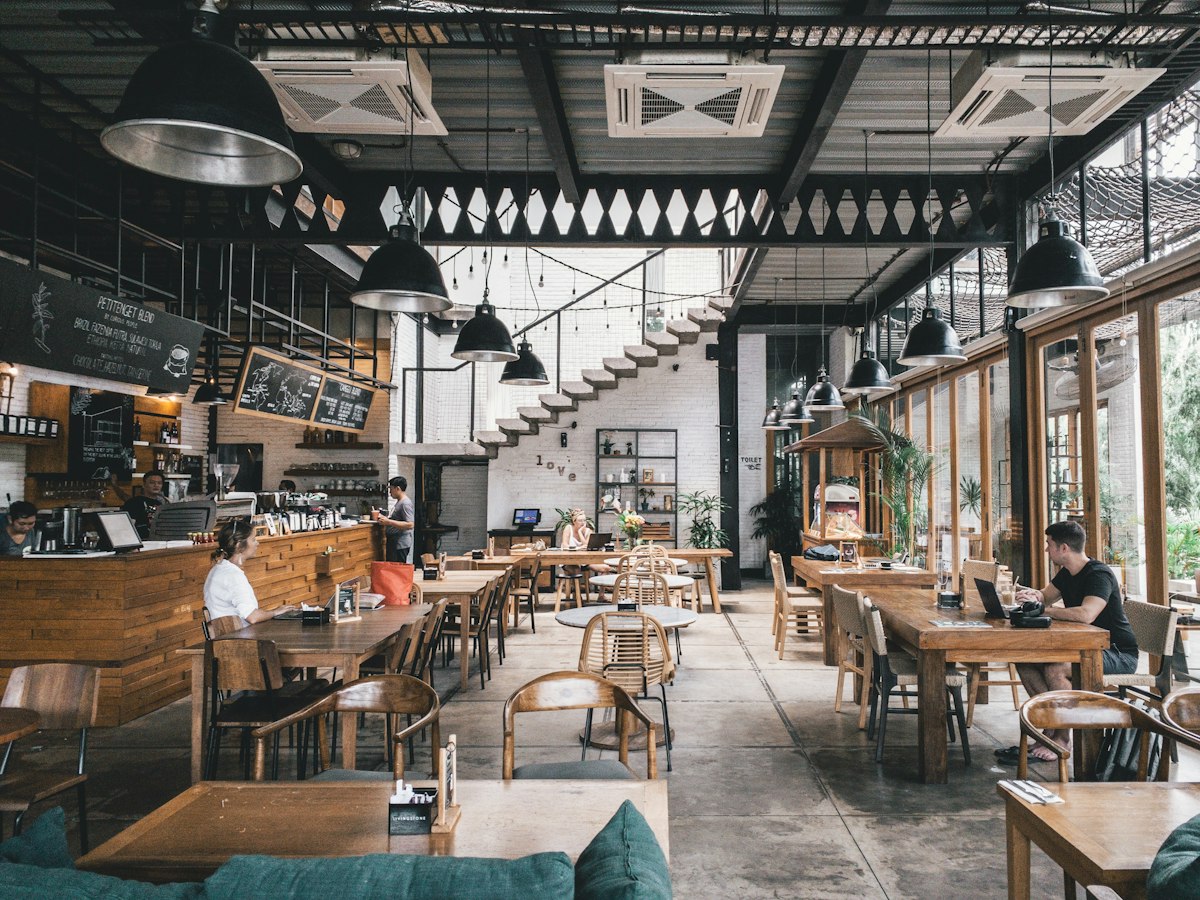
Drive far enough down a two lane road in this part of Florida and the landscape changes. The subdivisions thin out. The oaks lean over the road. And then there is a building on the water with a gravel lot, a screen door, and a hand painted sign.
Inside, the menu has not changed much in forty years. Fried mullet. Hushpuppies. Sweet tea in a plastic cup that sweats onto the table. Somebody's grandfather at the corner table who has been eating there since before the interstate.
That is Old Florida, and Northeast Florida still has more of it left than almost anywhere else in the state.
Old Florida food traditions are still visible across Northeast Florida in fish camps along the St. Johns River and the Intracoastal, the shrimping heritage of Mayport and Fernandina Beach, the Minorcan and datil pepper cooking unique to St. Augustine, and roadside boiled peanut stands throughout the region. These traditions predate the modern development of St. Johns and Nassau County and remain part of what distinguishes the First Coast from South Florida.
The Fish Camp Is A Genuine Institution
A fish camp is not a restaurant that serves fish. It is a specific thing: a place on the water, usually with a dock and a boat ramp, that fed the people who worked and fished the river.
The St. Johns River corridor still has them, and so do the creeks off the Intracoastal in both St. Johns and Nassau County. Some have been polished up. The good ones have not.
The menu is consistent. Fried fish, shrimp, oysters when they are in, hushpuppies, coleslaw, sweet tea. Occasionally gator or frog legs, which are more real than tourists assume. Paper towels on the table rather than napkins.
Mayport And Fernandina Built This Coast
Northeast Florida's shrimping history is not decorative. Fernandina Beach is widely recognized as an important birthplace of the modern shrimping industry, and Mayport at the mouth of the St. Johns River was a working fishing village long before it was known for the naval station.
That heritage still shapes what shows up on menus. Local shrimp is a point of pride here in a way it is not in most of the country, and the difference between local and imported is something people will talk your ear off about.
Both towns still lean into it. The Fernandina waterfront and the small commercial fishing presence around Mayport are part of why the northern half of this region feels different from the resort side.
St. Augustine's Minorcan Kitchen
This is the food story that is genuinely unique to Northeast Florida and that almost nobody outside the region knows.
In the late 1700s, a group of colonists from Minorca and the surrounding Mediterranean settled in St. Augustine after a failed indentured labor settlement to the south. Their descendants remain, and so does their cooking.
The signature is the datil pepper, a small, intensely hot pepper that grows in the St. Augustine area and is used in hot sauces, relishes, and the local version of clam chowder. Minorcan clam chowder is a tomato based chowder with datil heat, and it is a St. Augustine thing in a way that nothing else in Florida quite matches.
Curious What Makes Northeast Florida Different From The Rest Of The State?
The culture here has deeper roots than most of Florida. Understanding it helps you pick the part of the region that actually fits you.
Call or text Joey Larsen: 904-863-6679
or visit RetireMeToFlorida.com
Boiled Peanuts Are Not A Snack, They Are A Region
You will see the signs on the roadside, usually hand lettered, usually somewhere along US 1, A1A, or a county road in the western part of St. Johns County or Nassau County.
Green peanuts boiled in salted water until they are soft. Sometimes cajun spiced. Served hot in a paper bag or a foam cup, eaten in the car, shells thrown out the window or into the bag.
Northerners are frequently baffled on first encounter and then convert within about a week. It is a Southern tradition rather than an exclusively Florida one, but the roadside stand version is very much a First Coast fixture.
What Is Being Lost And What Is Holding On
It would be dishonest to pretend this is all thriving. Development pressure in St. Johns County has been enormous, and waterfront land that once held a fish camp is worth a great deal more as something else.
Some places have closed. Some have been bought and dressed up for a different customer. That is the cost of growth and it is a real cost.
What is holding on tends to hold on because of family ownership and because there is a local customer base that would notice. The further you get from the interstate, the better the odds.
How To Find The Real Thing
A short field guide, offered without naming names, because the names change and the pattern does not.
- Look at the parking lot. Work trucks and boat trailers are the signal.
- Water access matters. A real fish camp has a dock or a ramp, not just a view.
- Go west and north. Western St. Johns County, Clay County, and rural Nassau County hold more of it than the coastal corridor.
- Ask an old timer, not an app. The best of these places have no interest in marketing.
For anyone relocating here from out of state, seeking this stuff out is one of the fastest ways to understand where you actually moved. Northeast Florida is not a resort that grew a town. It is a working coast with four hundred years of history that happens to have gotten very popular lately.
Both things are true, and the food is where you can taste the difference.
Frequently Asked Questions
What is a Florida fish camp?
A fish camp is a casual waterfront restaurant, usually with a dock or boat ramp, that historically served people working and fishing the river. Menus typically center on fried local fish, shrimp, oysters, and hushpuppies, and several still operate along the St. Johns River and the creeks off the Intracoastal.
What is a datil pepper?
The datil is a small, very hot pepper closely associated with St. Augustine, where it has been grown and used by the Minorcan descended community for generations. It appears in local hot sauces, relishes, and the tomato based Minorcan clam chowder.
Why is shrimp important to Northeast Florida?
Fernandina Beach is widely recognized as an important birthplace of the modern shrimping industry, and Mayport at the mouth of the St. Johns River was a working fishing village long before the naval station defined it. Local shrimp remains a point of regional pride.
What are boiled peanuts?
Boiled peanuts are green peanuts cooked in salted water until soft, sometimes with cajun seasoning. They are a Southern roadside tradition commonly sold at stands along US 1, A1A, and county roads throughout Northeast Florida.
Search Northeast Florida Homes
Browse active listings across Northeast Florida, from master-planned communities in Nocatee, RiverTown, Tributary, Shearwater, and St. Johns County to coastal homes in Ponte Vedra Beach, Jacksonville Beach, Neptune Beach, Atlantic Beach, and Fernandina Beach.
What To Do Right Now
If you are getting to know Northeast Florida and trying to figure out which part of it suits you, exploring the older corners of the region tells you a lot that a community tour will not.
Call or text Joey Larsen at 904-863-6679, or visit RetireMeToFlorida.com to get started.
Categories
- All Blogs (818)
- Buyer Questions (10)
- Buyer Resources (14)
- Communities (8)
- Cost of Living (6)
- Insurance & Risk (1)
- Jacksonville / St. Johns County (3)
- Joey Studies The Market (1)
- Local Area Happenings (1)
- Local Favorites (184)
- Market Intelligence (183)
- Market Update (3)
- Nocatee (2)
- Northeast Florida Market (1)
- Our Communities (4)
- Questions Buyer Are Asking (25)
- Questions Sellers Are Asking (8)
- Real Estate Done Right (11)
- Relocation (1)
- Relocation Guides (174)
- Retirement Planning (4)
- Seller Resources (3)
- The Florida Life (190)
Recent Posts