Generators, Whole-Home Power, and What Northeast Florida Buyers Notice
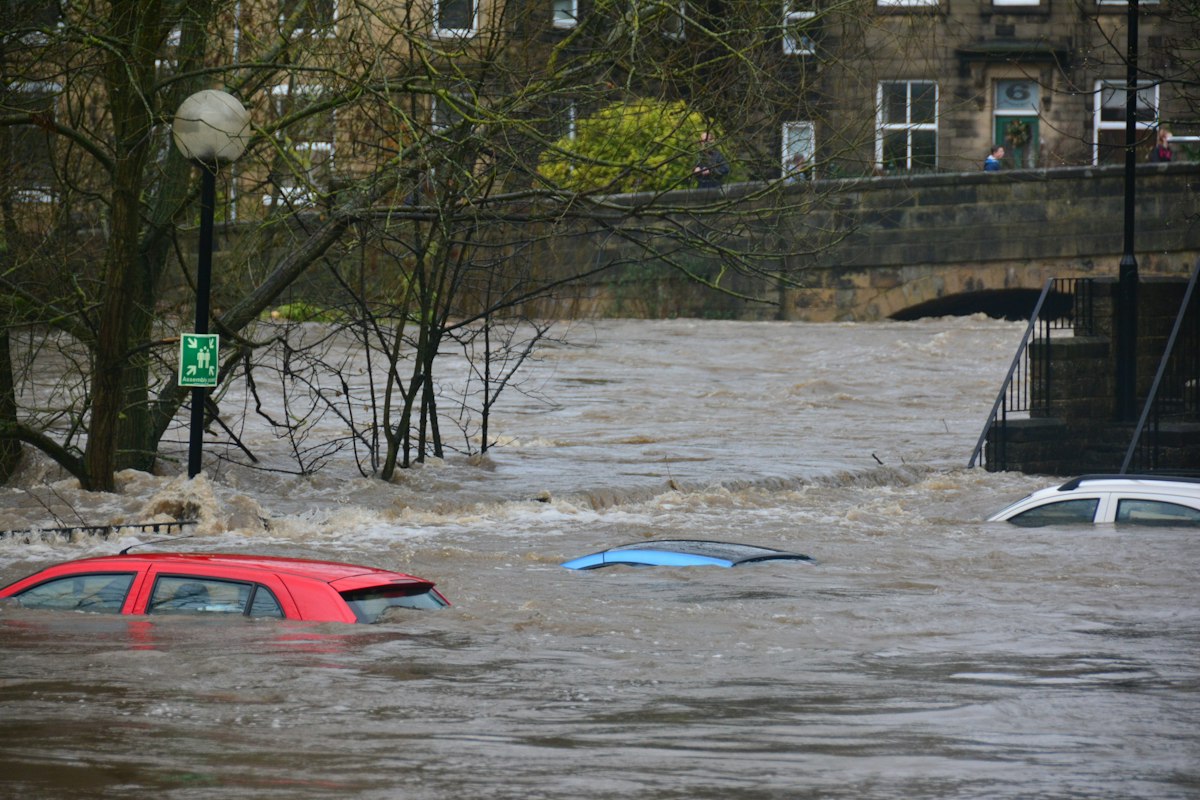
What Actually Happens When The Power Goes Out Down Here?
The first one is educational. The wind dies down, the storm has passed, the sun comes back out, and you realize the air conditioning is off and it is going to be off for a while.
By hour six, you understand something about Florida that no article prepared you for. The heat is not the emergency. The humidity inside a sealed house with no air moving is.
This is why, if you drive through parts of Ponte Vedra Beach or the older beach neighborhoods, you will notice a lot of homes with a beige box on a concrete pad along the side yard. Those people learned the lesson already.
Power resilience matters in Northeast Florida because outages after storms can last from hours to days, and losing air conditioning in a humid climate creates real problems for both comfort and the home itself. Options range from portable generators with manual transfer switches to permanently installed standby generators on natural gas or propane, to battery systems paired with solar. Standby generators are increasingly noticed by buyers, particularly at higher price points and in coastal neighborhoods.
Why Outages Matter More Here
In a northern winter outage, the risk is freezing. In a Florida summer outage, the risks are heat and moisture.
Without air conditioning or dehumidification, indoor humidity in a closed Florida house rises quickly. Extended periods of high indoor humidity create conditions for mold and can affect finishes, flooring, and furniture.
That is the part people underestimate. It is not just uncomfortable. A multi day outage in August is a maintenance event for the house as well as an inconvenience for the people in it.
The Three Tiers Of Backup Power
There is a clear ladder here, and most homeowners in the region eventually land on one of the rungs.
- Portable generator. Lowest cost. Runs a refrigerator, some lights, a window unit, and fans. Requires fuel storage, manual setup, and safe outdoor placement away from the house.
- Portable with a transfer switch. A licensed electrician installs an interlock or transfer switch so a portable can safely power selected circuits. A meaningful upgrade in safety and convenience.
- Permanently installed standby generator. Wired into the panel, fed by natural gas or propane, starts automatically. Runs the whole home or a large portion of it including air conditioning.
The step from the second to the third is the big one in both cost and capability, and it is the one buyers notice.
Fuel Source Is A Real Constraint
This trips people up. A standby generator needs fuel, and in Northeast Florida the availability of natural gas varies by community.
Many newer master planned communities in St. Johns County have natural gas service, which makes a standby generator straightforward. Other areas, including plenty of established neighborhoods and coastal pockets, do not, which means propane and a buried or above ground tank.
Propane brings its own considerations: tank size determines runtime, refills during a widespread regional outage can be difficult, and some HOAs have rules about tank placement and screening. Check all of this before assuming a standby generator is a simple add.
Evaluating A Northeast Florida Home For Storm Readiness?
Power, impact protection, and elevation are worth understanding property by property. Ask before you write the offer, not after.
Call or text Joey Larsen: 904-863-6679
or visit RetireMeToFlorida.com
Batteries And Solar Are Changing The Picture
Home battery systems, often paired with solar, have grown as an alternative. The appeal is obvious: no fuel, no noise, no maintenance schedule.
The limitation is duration. A battery system sized for typical residential use can carry essential loads for a period, but running central air conditioning through a multi day outage is a demanding ask that requires substantial capacity.
In Northeast Florida, where a serious outage is more likely to be measured in days than hours, many homeowners who go this route size for essentials rather than for whole home operation, or pair a battery with a generator.
What This Does For Resale
A permanently installed standby generator is a visible, tangible feature that buyers recognize immediately, especially buyers who have lived through an outage here.
It does not typically return its full installed cost, which is consistent with most improvements. What it does more reliably is differentiate a home among comparable listings and remove an objection for storm conscious buyers.
The effect is strongest in coastal neighborhoods and at higher price points, where buyers are already thinking about resilience, and where an unfinished punch list of preparedness items is a competitive disadvantage.
The Broader Resilience Package
Generators are one piece. Buyers in this region increasingly evaluate the whole picture.
Impact rated windows or accordion and roll down shutters, roof age and wind mitigation features, elevation and flood zone designation, and drainage on the lot all factor in. Newer construction built to more recent Florida Building Code standards generally performs better across these categories, which is part of the value proposition for new builds in St. Johns County.
For sellers, the practical takeaway is to document what you have. A folder with the generator install permit, the wind mitigation report, the shutter or window documentation, and the roof permit answers a lot of questions before a buyer has to ask them.
In a market where buyers have choices, the home that has already answered the hard questions is the one that gets the cleaner offer.
Frequently Asked Questions
How long do power outages last after a storm in Northeast Florida?
It varies widely depending on the severity of the event and the extent of damage to the local grid. Outages can range from a few hours to several days, which is why many homeowners in the region invest in some form of backup power.
Does a whole home generator add value to a Florida home?
It typically does not return its full installed cost, but it differentiates a home among comparable listings and removes a concern for storm conscious buyers. The effect tends to be strongest in coastal neighborhoods and at higher price points.
Do you need natural gas for a standby generator?
No. Standby generators can run on natural gas or propane. Natural gas availability varies by community in Northeast Florida, so many homes use propane with a tank, which introduces considerations around tank size, runtime, refill availability during regional outages, and HOA placement rules.
Can a home battery run air conditioning during an outage?
Running central air conditioning through a multi day outage requires substantial battery capacity. Many Northeast Florida homeowners size battery systems for essential loads rather than whole home operation, or pair a battery with a generator for longer duration coverage.
Search Northeast Florida Homes
Browse active listings across Northeast Florida, from master-planned communities in Nocatee, RiverTown, Tributary, Shearwater, and St. Johns County to coastal homes in Ponte Vedra Beach, Jacksonville Beach, Neptune Beach, Atlantic Beach, and Fernandina Beach.
What To Do Right Now
If you are evaluating homes here and want to know what a specific property actually has in place for storm readiness, that is a straightforward thing to check before you commit.
Call or text Joey Larsen at 904-863-6679, or visit RetireMeToFlorida.com to get started.
Categories
- All Blogs (818)
- Buyer Questions (10)
- Buyer Resources (14)
- Communities (8)
- Cost of Living (6)
- Insurance & Risk (1)
- Jacksonville / St. Johns County (3)
- Joey Studies The Market (1)
- Local Area Happenings (1)
- Local Favorites (184)
- Market Intelligence (183)
- Market Update (3)
- Nocatee (2)
- Northeast Florida Market (1)
- Our Communities (4)
- Questions Buyer Are Asking (25)
- Questions Sellers Are Asking (8)
- Real Estate Done Right (11)
- Relocation (1)
- Relocation Guides (174)
- Retirement Planning (4)
- Seller Resources (3)
- The Florida Life (190)
Recent Posts