Your First Year in Northeast Florida: What Actually Changes
What Does The First Twelve Months Down Here Actually Feel Like?
The first month is a vacation that will not end. You keep driving over the Intracoastal bridge and looking at the water like it is going to disappear. You eat outside constantly. You send pictures.
Then somewhere around month four, something shifts. The novelty settles into ordinary life, and ordinary life turns out to be the real prize. You stop photographing the sunset every night. You start knowing which grocery store parking lot to avoid on a Saturday.
That transition, from visitor to resident, is the whole story of a first year here. It happens in small pieces and mostly when you are not looking.
The first year in Northeast Florida usually breaks into three phases: a honeymoon stretch of two to four months, a practical adjustment period around utilities, insurance, seasonal weather, and routines, and then a settling in phase where the area starts feeling like home rather than a destination. Most newcomers report the biggest surprises are the summer humidity, the year round outdoor calendar, and how much of daily life shifts outside.
Months One Through Three: Everything Is New
You will overdo it, and you should. Drive to St. Augustine on a Tuesday. Walk Centre Street in Fernandina Beach. Find the Guana reserve and stand on the boardwalk over the marsh in the late afternoon.
This is also the window where the practical stuff lands. Florida driver license and vehicle registration, homestead exemption filing if you are making this your primary residence, utility accounts, and figuring out which route across the Intracoastal actually saves you time.
One piece of advice from people who have done it: do not rush to join everything. The first wave of enthusiasm burns out. The clubs and groups that stick tend to be the ones you find in month six, not month one.
Months Four Through Six: The Summer Test
If you moved in the fall or winter, this is where the region shows you its other face. Northeast Florida summer is humid, and the humidity is more of an adjustment than the temperature.
Almost everyone reorganizes their day around it. Walks and workouts move to early morning. Yard work happens before nine. Afternoons move indoors or onto a shaded lanai, and evenings open back up around seven.
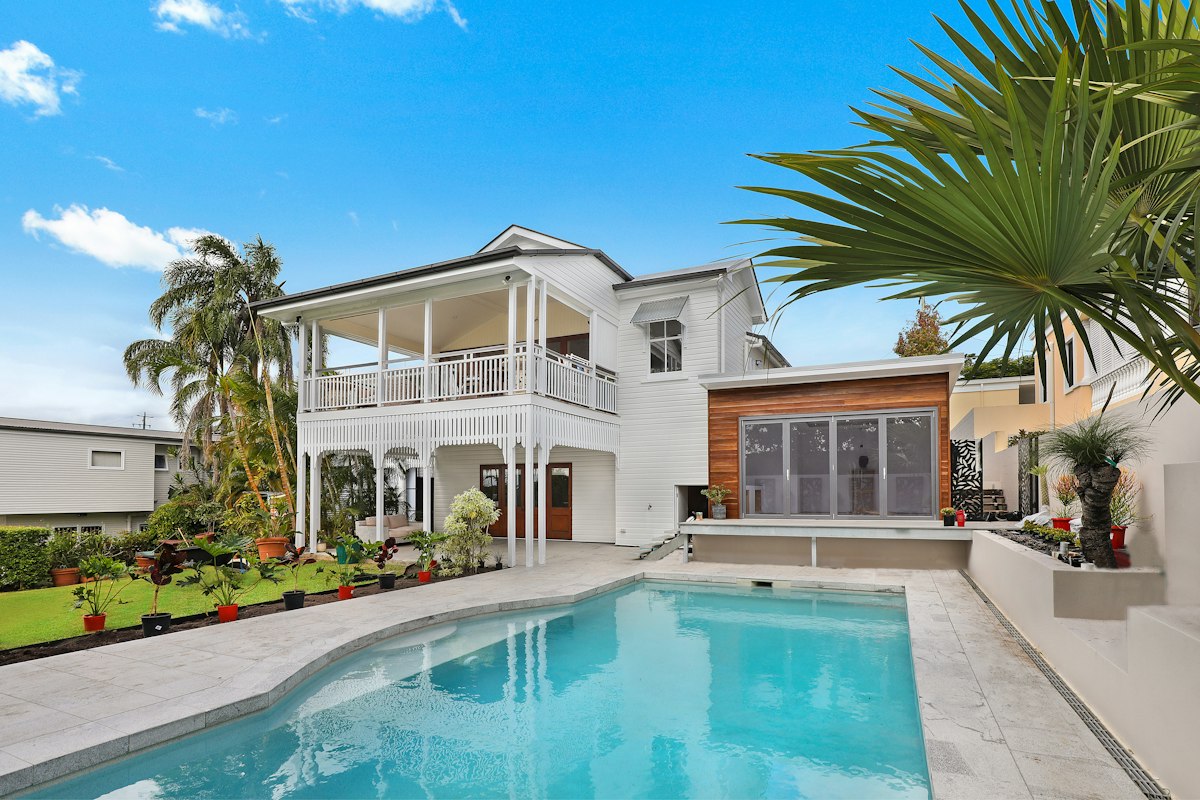
The people who struggle are the ones who try to keep a northern schedule. The people who thrive shift their clock by a few hours and find that summer here is entirely livable, and that the pool they thought was a luxury is not one.
The Cost Picture Comes Into Focus
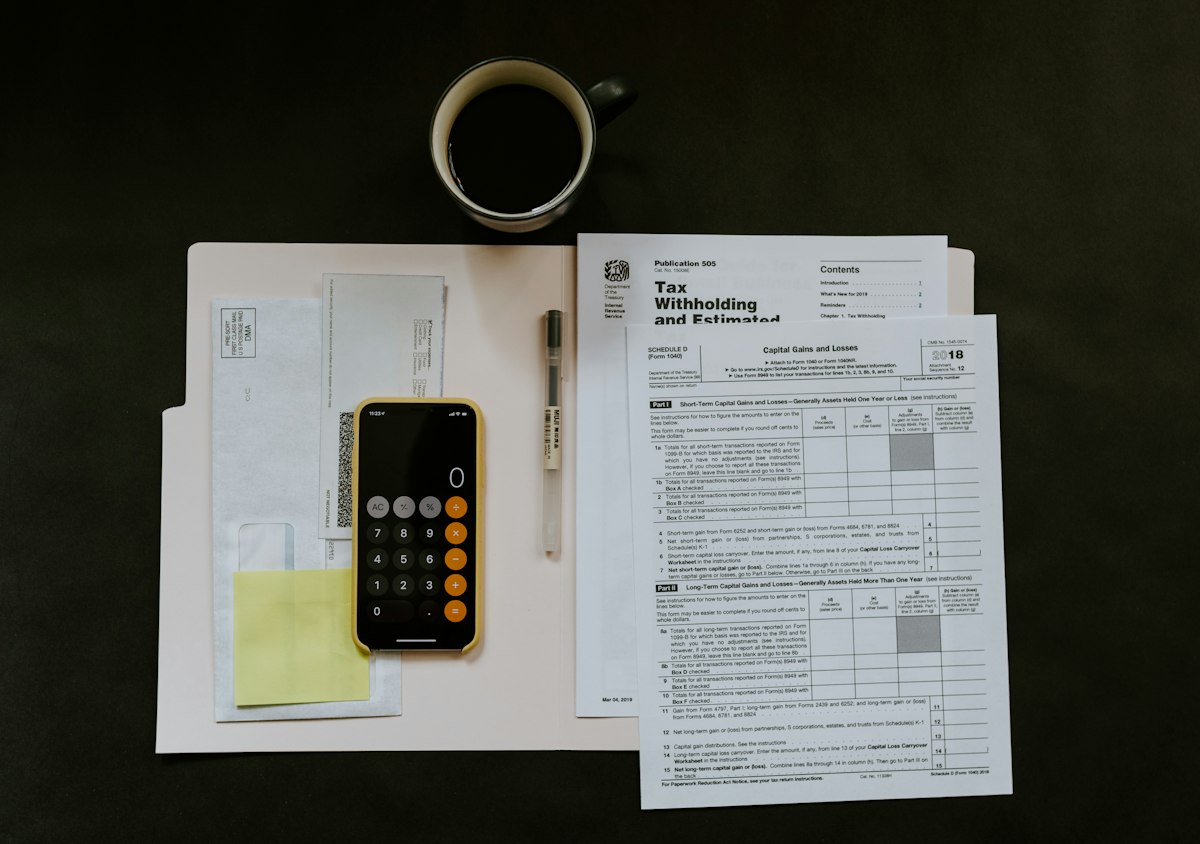
Florida has no state income tax, and for retirees and higher earners moving from the Northeast or the Midwest that difference is real and immediate. It is not the whole story.
The costs that surprise people are property insurance, which runs higher in Florida than in most northern states, and cooling bills in summer, which more than offset the heating bills you no longer have. Communities with CDD bonds in St. Johns County add an annual line item on the tax bill that funded the infrastructure, and that is worth understanding before you buy rather than after.
The net picture is favorable for most people who move here, particularly those coming from high tax states. But the shape of the budget changes, and year one is when you see the new shape clearly.
Still In The Planning Stage Of Your Move?
The people who land well here usually did the homework on communities, costs, and timing before they signed anything. That is a conversation worth having early.
Call or text Joey Larsen: 904-863-6679
or visit RetireMeToFlorida.com
You Find Your Actual Radius
Everybody arrives thinking they will use the whole region. Then real life narrows it down. Within a year most people have a radius of about fifteen minutes that covers ninety percent of what they do.
This is the argument for choosing your community carefully. A home in Nocatee puts you inside a town center with restaurants, a splash park, and greenways. A home in Palencia or World Golf Village puts golf and a different pace at the center. Ponte Vedra Beach puts the ocean at one end of your daily radius and changes everything about how you spend a Saturday.
None of these is better. They are just different daily lives, and you will live inside one of them far more than you expect.
The Social Part Takes Longer Than The Logistics
Boxes get unpacked in a month. A social circle takes closer to a year, and that is normal.
Northeast Florida has an advantage here, because so much of the population moved from somewhere else. Almost nobody you meet in Nocatee or RiverTown grew up in Nocatee or RiverTown. That makes people unusually open.
The things that work are the boring, consistent things. A recurring tee time. A regular class. Volunteering. Walking the same greenway at the same hour. Proximity plus repetition is how adult friendships actually form, and master planned communities here are built in a way that manufactures both.
Month Twelve: The Quiet Test
There is a moment near the end of the first year, usually in January, when someone from home calls and complains about the weather and you realize you have nothing to say. Not smugness. Just distance.
You have a doctor. You have a route. You have a favorite parking spot at the beach access and an opinion about which taco place is better. The bridge over the Intracoastal is just a bridge now.
That is what year one buys you. The remarkable part becomes normal, which sounds like a loss and is actually the whole point.
Frequently Asked Questions
What is the hardest part of moving to Northeast Florida?
Most newcomers point to the summer humidity and to rebuilding a social circle. The humidity is manageable once you shift daily routines toward mornings and evenings, and the social side generally comes together over the first year through recurring activities rather than one time events.
How long does it take to feel settled in Florida?
Logistics tend to settle within a month or two, while the sense of actually belonging usually takes closer to a year. Many people describe a turning point somewhere between months six and twelve when the area stops feeling like a destination.
Do you need to file for a homestead exemption when you move to Florida?
If the home is your permanent primary residence, Florida offers a homestead exemption that must be applied for through your county property appraiser. Deadlines and requirements are set by the county, so check with the property appraiser in St. Johns, Duval, Nassau, or Clay County depending on where you land.
Is it better to move to Northeast Florida in summer or winter?
Both work. Moving in the cooler months makes the physical move easier and gives you several pleasant months before your first summer. Moving in summer means you face the hardest season immediately, which some people prefer because everything after that feels easy.
Search Northeast Florida Homes
Browse active listings across Northeast Florida, from master-planned communities in Nocatee, RiverTown, Tributary, Shearwater, and St. Johns County to coastal homes in Ponte Vedra Beach, Jacksonville Beach, Neptune Beach, Atlantic Beach, and Fernandina Beach.
What To Do Right Now
If you are inside the first year, or still planning the move, a short conversation about where you land and why tends to save a lot of second guessing later.
Call or text Joey Larsen at 904-863-6679, or visit RetireMeToFlorida.com to get started.
Categories
- All Blogs (818)
- Buyer Questions (10)
- Buyer Resources (14)
- Communities (8)
- Cost of Living (6)
- Insurance & Risk (1)
- Jacksonville / St. Johns County (3)
- Joey Studies The Market (1)
- Local Area Happenings (1)
- Local Favorites (184)
- Market Intelligence (183)
- Market Update (3)
- Nocatee (2)
- Northeast Florida Market (1)
- Our Communities (4)
- Questions Buyer Are Asking (25)
- Questions Sellers Are Asking (8)
- Real Estate Done Right (11)
- Relocation (1)
- Relocation Guides (174)
- Retirement Planning (4)
- Seller Resources (3)
- The Florida Life (190)
Recent Posts